

 English
 中文简体
中文简体

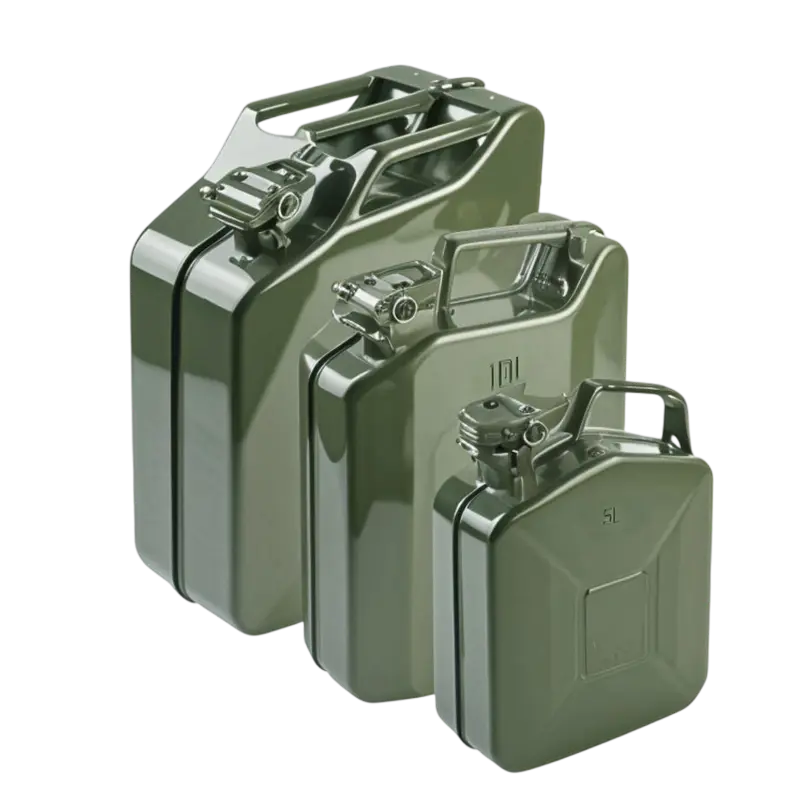
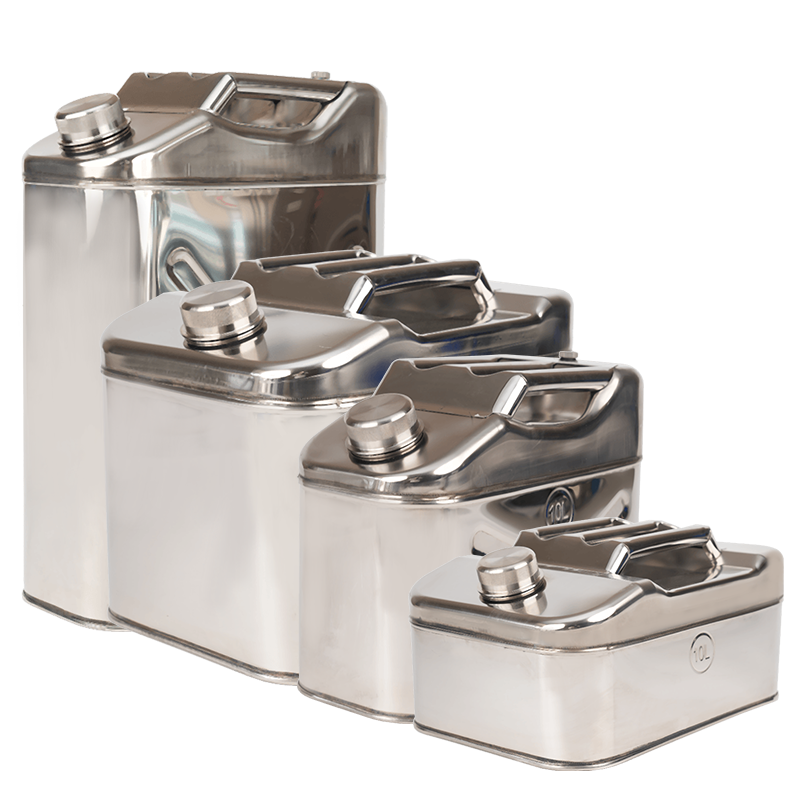
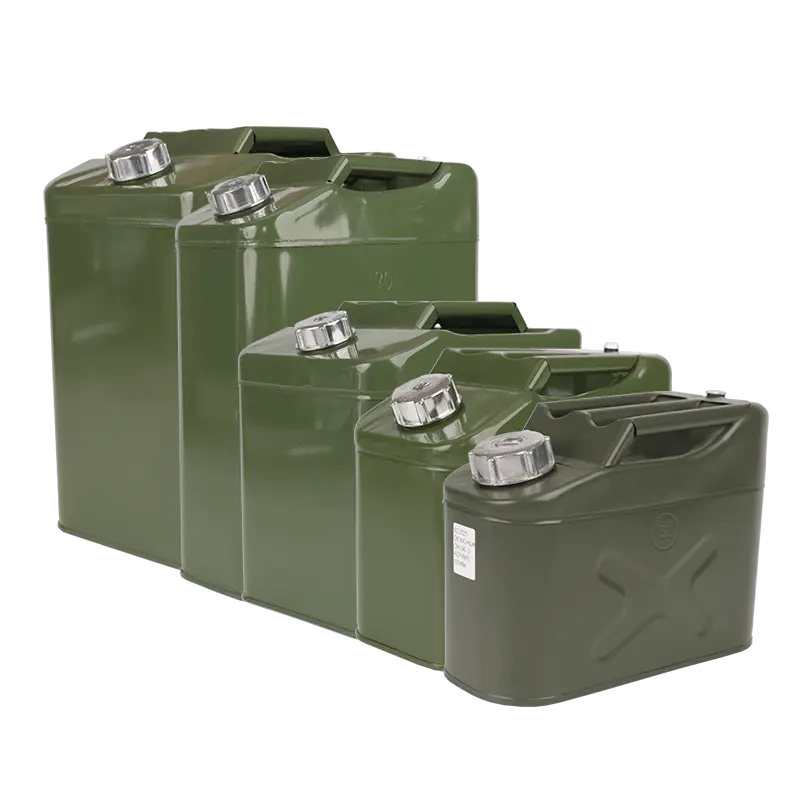
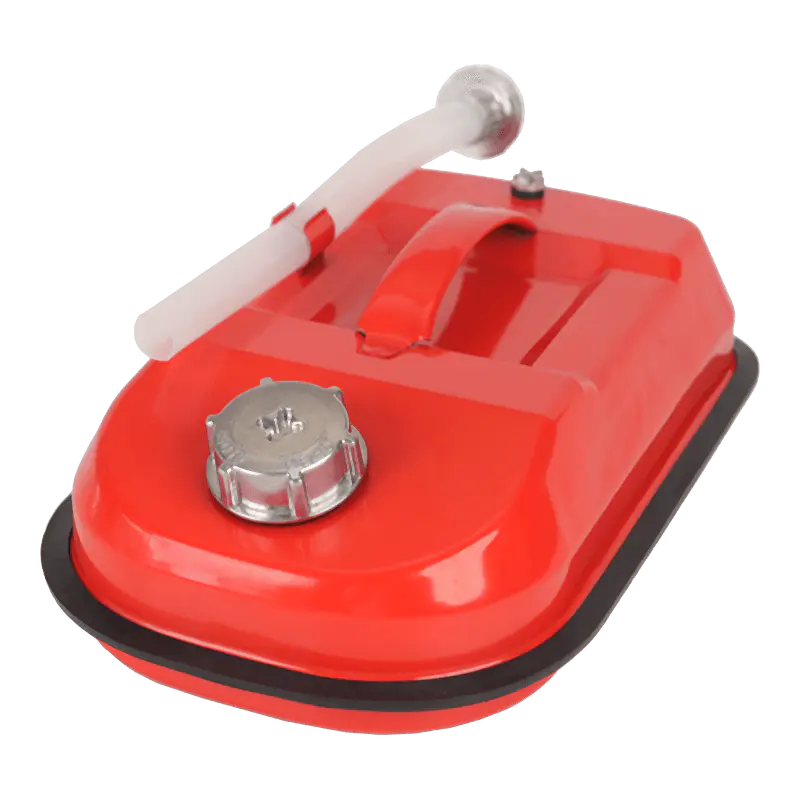
5.3 Gallon/20 Litre Steel Jerry Can Manufacturers
Yangzhou Qionghua
Tools Co., Ltd.
Founded in 1993, Our company is a China 5.3 Gallon/20 Litre Steel Jerry Can Manufacturers and Metal oil barrel Suppliers. Yangzhou Qionghua Tools Co.,Ltd is one of the leading manufacturers of lubricating, automotive and hand tools in China.
With more than 30000 square meters workshop, our factory can meet the capacity of our customers worldwide and has been the supplier for big European chain stores and industrial companies for about 30 years.
Our high quality service and low price are highly appreciated by most of our customers.
Metal oil barrel Industry knowledge
Why Do Industrial Users Prefer Metal Oil Barrels?
Daily Industrial Work Puts Containers Under Real Pressure
In industrial environments, oil containers are not decorative items. They are moved, stacked, refilled, cleaned, and sometimes knocked over during normal operations. Workshops, maintenance stations, and production lines demand containers that can handle repeated use without constant replacement. This is one of the main reasons industrial users tend to choose metal oil barrels instead of lighter alternatives. Based on long-term cooperation with European chain stores and industrial companies, manufacturers like Yangzhou Qionghua Tools Co., Ltd have seen that durability is often the first concern raised during purchasing discussions.
Metal Oil Barrels Handle Mechanical Stress More Predictably
Metal oil barrels behave in a more predictable way when exposed to physical stress. When a barrel is lifted by hand, moved with carts, or transported on trucks, metal walls are less likely to crack or suddenly fail. Minor dents usually do not affect usability or sealing. In contrast, some non-metal containers may develop hidden cracks after repeated impacts, which can lead to leaks during later use. For industrial users who rely on stable storage rather than appearance, this predictable behavior is an important factor.
Temperature Changes Are Part of Industrial Reality
Oil barrels are often stored near engines, compressors, or machinery that generates heat. In some facilities, temperatures can change significantly between seasons or even during a single workday. Metal oil barrels, especially aluminum and steel, maintain their structural form under these conditions. They do not soften in warm environments and do not become brittle under normal cold conditions. This stability helps ensure that sealing surfaces remain consistent over time, reducing unexpected leakage during operation.
Compatibility With Industrial Oils and Lubricants
Industrial oils vary widely in formulation, viscosity, and chemical composition. Metal oil barrels are generally compatible with a broad range of lubricants used in automotive maintenance, manufacturing equipment, and mechanical systems. The inner surfaces of metal containers do not absorb oils, which helps preserve lubricant properties during storage. For manufacturers focused on lubricating tools and automotive equipment, long-term material compatibility is a recurring topic in customer feedback.
Cleaning and Reuse Matter in Workshop Settings
In many industrial facilities, oil barrels are reused rather than discarded after a single cycle. Metal barrels can be cleaned using standard industrial methods without damaging the container structure. Residual oil can be removed more thoroughly compared to some plastic containers, where residue may cling to the surface. Over years of use, metal barrels may show surface wear, but this usually does not interfere with function. This reuse capability aligns well with cost control practices commonly found in industrial purchasing decisions.
Weight and Handling Balance in Metal Containers
While metal oil barrels are heavier than some alternatives, industrial users often view this as a manageable tradeoff. Aluminum oil barrels, in particular, offer a balance between strength and weight. Workers can handle them without excessive strain while still benefiting from the rigidity of metal. For suppliers with large workshop capacity, consistent wall thickness and balanced weight distribution are production details that customers frequently inquire about before placing long-term orders.
Metal Oil Barrels Support Organized Storage Systems
Industrial facilities often rely on standardized storage systems, including racks, shelves, and pallets. Metal oil barrels retain their shape well, allowing them to fit reliably into these systems over time. Deformation is less common, which helps maintain organized storage areas and reduces the risk of tipping or uneven stacking. For factories operating at scale, this consistency supports both safety and workflow efficiency.
Long-Term Supply Stability Influences Material Choice
Industrial buyers tend to favor materials that can be sourced consistently over many years. Metal oil barrels benefit from established manufacturing processes and stable raw material supply chains. Companies like Yangzhou Qionghua Tools Co., Ltd, with more than 30000 square meters of workshop space and decades of export experience, are able to meet ongoing demand without frequent design or material changes. This stability reduces the need for repeated qualification and testing on the buyer side.
Comparison of Common Oil Barrel Materials in Industrial Use
| Material Type | Typical Behavior in Workshops | Maintenance Considerations | Common Industrial Use |
|---|---|---|---|
| Aluminum | Lightweight with stable structure | Easy to clean, resistant to oil residue | Automotive and equipment maintenance |
| Steel | Heavier with strong impact resistance | Requires surface protection against corrosion | Heavy-duty industrial environments |
| Plastic | Lightweight but sensitive to impact and heat | May retain oil residue after repeated use | Short-term or light-duty storage |
Export Markets Reinforce the Preference for Metal
For international customers, especially large European chain stores and industrial distributors, packaging reliability during transport is a major concern. Metal oil barrels are less likely to deform under stacking pressure during shipping. This reduces the risk of leakage and returns. Manufacturers with long export histories often receive feedback that metal packaging simplifies logistics and lowers overall risk across long-distance supply chains.
Recycling and Lifecycle Considerations
Metal oil barrels align with recycling practices commonly adopted in industrial regions. Aluminum and steel can be recycled without significant loss of material properties. When barrels reach the end of their service life, they can re-enter the material cycle rather than becoming waste. For industrial users managing large volumes of equipment and consumables, this recyclability supports broader sustainability goals without changing daily operating habits.
FAQ
Q: What makes metal oil barrels more suitable for long-distance shipping compared to other materials?
A: Metal oil barrels keep their shape and sealing performance better during handling and stacking. When barrels are transported in bulk, they face repeated impacts and pressure. Metal walls deform less, which reduces the chance of leaks. For suppliers like Yangzhou Qionghua Tools Co., Ltd that export to European chain stores and industrial companies, this reliability during logistics is a major reason customers choose metal barrels.
Q: How do metal oil barrels perform in environments with high temperature or strong sunlight?
A: Metal barrels, especially aluminum and steel, tend to maintain structural stability under heat. They do not soften like some plastics and can withstand temperature swings in outdoor storage or near machinery. For industrial users who store lubricants near equipment or in warehouses with less temperature control, metal barrels reduce the risk of deformation and unexpected leaks.
Q: Can metal oil barrels be reused, and what is the typical lifespan in industrial settings?
A: Yes, metal oil barrels are designed for multiple cycles of use. Their lifespan depends on how they are handled, stored, and cleaned. In many workshops, barrels are reused several times because they are easier to clean and maintain compared to some other materials. Manufacturers with large-scale production capacity, like Yangzhou Qionghua Tools Co., Ltd, often offer barrels that maintain consistent quality over repeated use.
Q: What are the common concerns when storing different types of lubricants in metal barrels?
A: Industrial oils vary in chemical composition and additives. Most lubricants are compatible with metal barrels, but users should still consider factors like corrosion resistance and sealing. For example, some oils may be stored longer than others, and some may require extra attention to moisture control. Customers often ask about inner coatings, wall thickness, and sealing performance to ensure the barrel matches their specific lubricant type.
Q: How do metal oil barrels affect workshop safety and organization?
A: Metal barrels are stable in stacking and storage systems, which helps keep workshops organized and reduces the chance of tipping. Their rigid structure also supports safer handling during lifting and moving. Industrial buyers often prioritize safety because they need containers that stay reliable under daily operational stress, not just during initial use.
Q: Are there special maintenance requirements for metal oil barrels compared to plastic barrels?
A: Metal barrels generally require regular inspection for dents, corrosion, and seal integrity. Unlike plastic barrels, metal barrels can rust if exposed to moisture for long periods, so keeping them dry and clean is important. However, in many industrial environments, metal barrels are preferred because they can be cleaned more thoroughly and reused without the surface damage that sometimes occurs with plastic containers.
Q: How does the choice of metal barrel affect procurement decisions for large industrial customers?
A: Large customers often focus on consistency, supply stability, and logistics performance. Metal barrels are seen as a stable option because their production processes and raw material supply chains are well established. For suppliers like Yangzhou Qionghua Tools Co., Ltd, long-term cooperation with European chain stores shows that metal barrels meet these procurement expectations through stable quality and reliable delivery.
Q: What are the main trade-offs when choosing metal oil barrels over other storage options?
A: The main trade-off is weight. Metal barrels are heavier, which may slightly increase handling effort and shipping weight. However, they compensate by offering better durability, stable structure, and lower risk of leaks. For many industrial users, this balance makes metal barrels a more cost-effective choice over time, especially when barrels are reused multiple times.

+86-13912130779
Visit Our LocationYanjiang Development Zone, Yangzhou City, JiangSu, China
 OUR Product
USEFUL LINKS
USEFUL LINKS
OUR Product
USEFUL LINKS
USEFUL LINKS

