English
 中文简体
中文简体

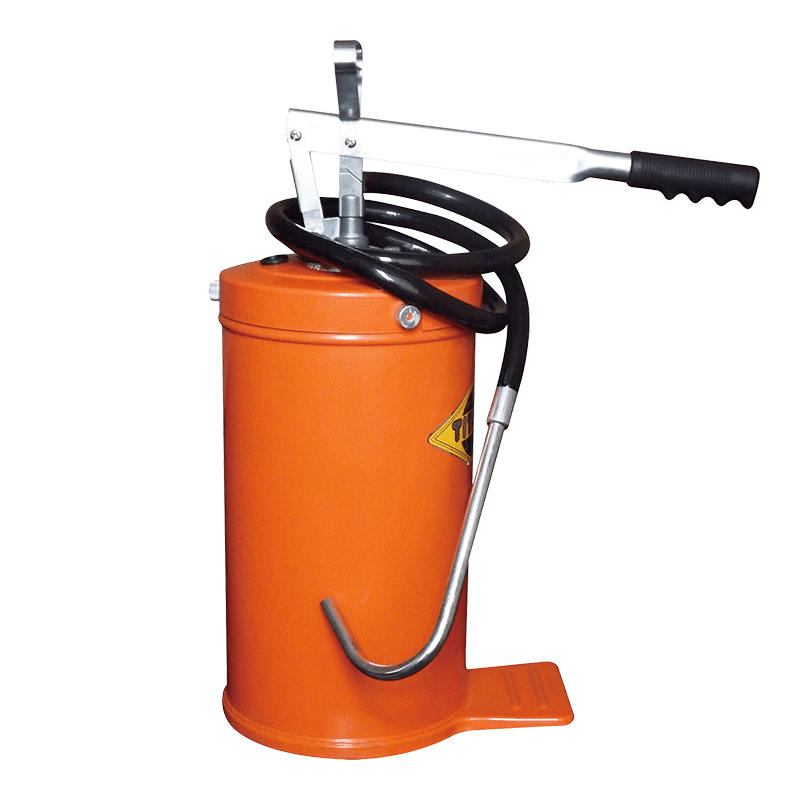
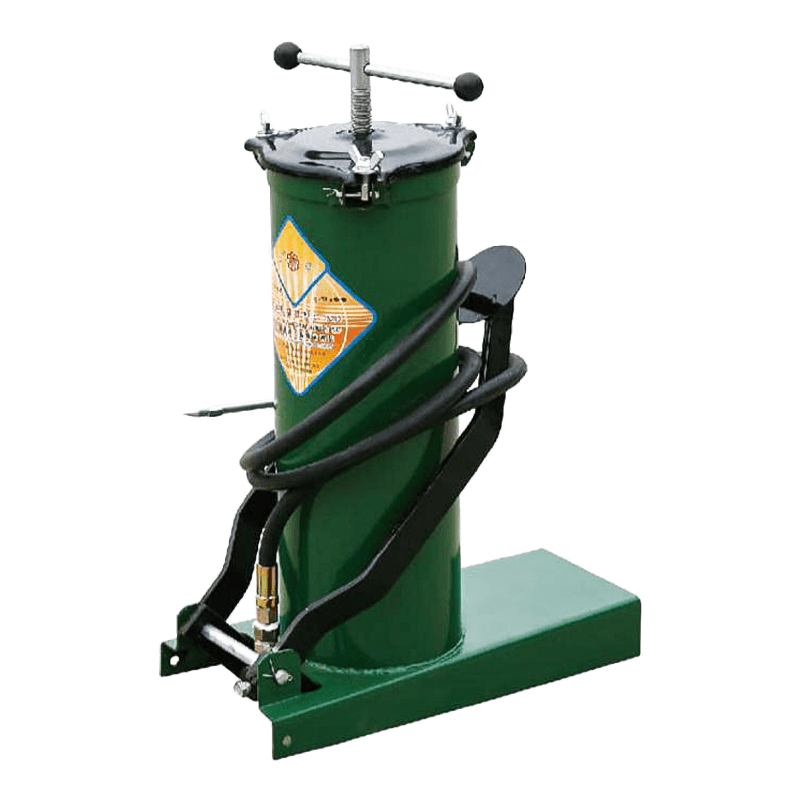
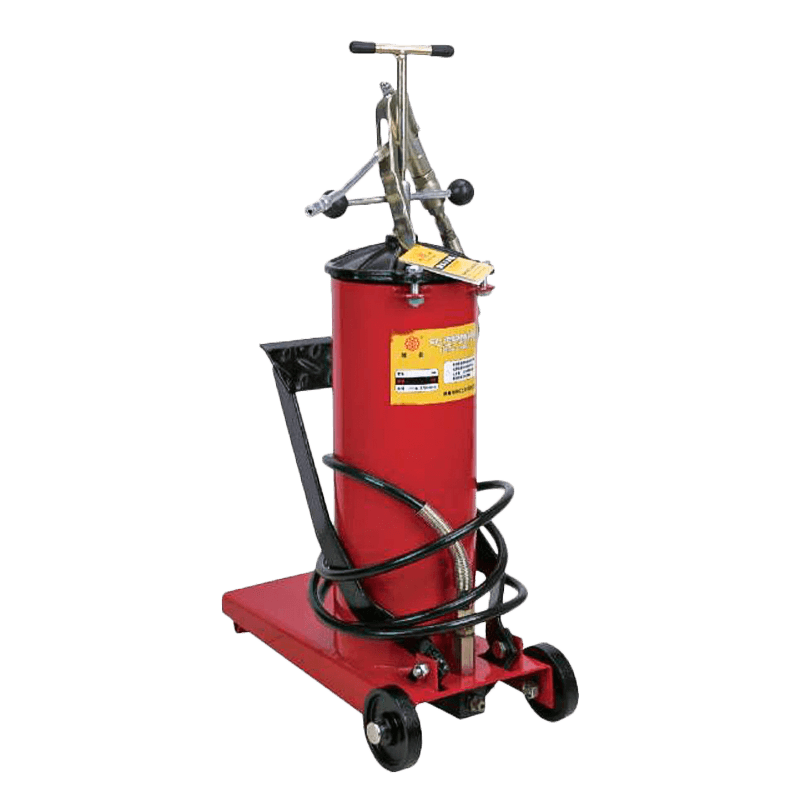
The "Hand-operated oil pump" remains a fundamental tool in the maintenance and operational workflows of mechanical workshops, agricultural sites, and remote industrial installations. While automated systems are prevalent, the "manual fluid transfer" capability offered by a reliable "Hand-operated oil pump" provides an essential fail-safe and high-portability solution for transferring lubricants, fuels, and chemical additives. The technical integrity of a "Hand-operated oil pump" is defined by its displacement efficiency, seal compatibility, and ergonomic leverage. By utilizing a physical lever or rotary handle, these pumps convert human kinetic energy into hydraulic pressure, enabling the movement of high-viscosity fluids like gear oil (SAE 90-140) without the need for electricity or compressed air. In remote field service, the "Hand-operated oil pump" is often the only viable method for refilling heavy machinery reservoirs or clearing sumps where power access is non-existent.
What Are the Core Structural Components and Material Specifications of a Professional Hand-operated Oil Pump?
The durability and chemical resistance of a "Hand-operated oil pump" depend entirely on the materials used in its construction and the precision of its internal valving systems. Engineering a "heavy-duty oil pump" requires a balance between weight and structural rigidity to withstand the repetitive stress of manual operation.
-
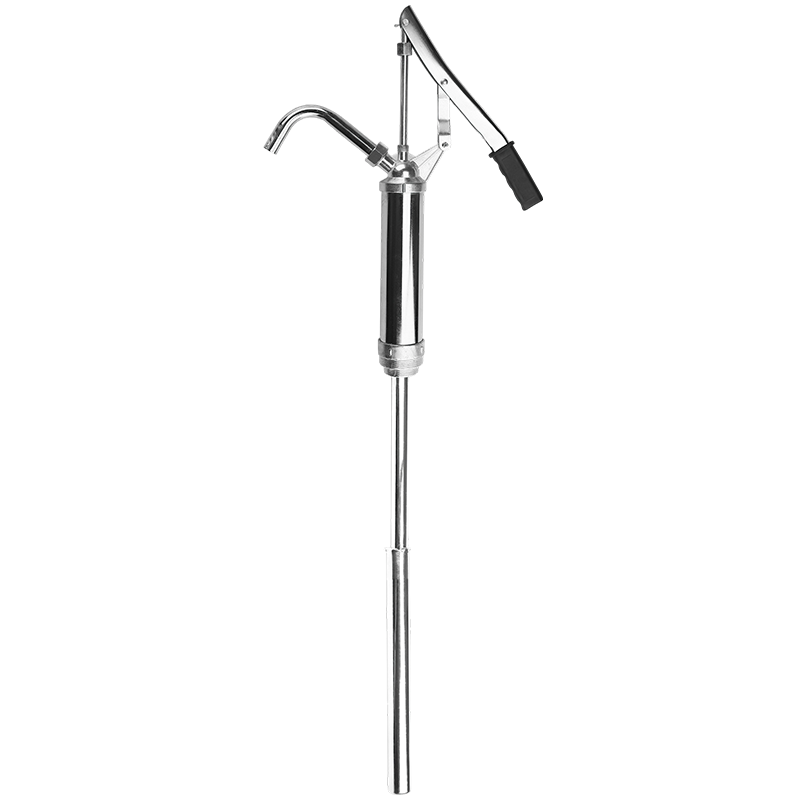
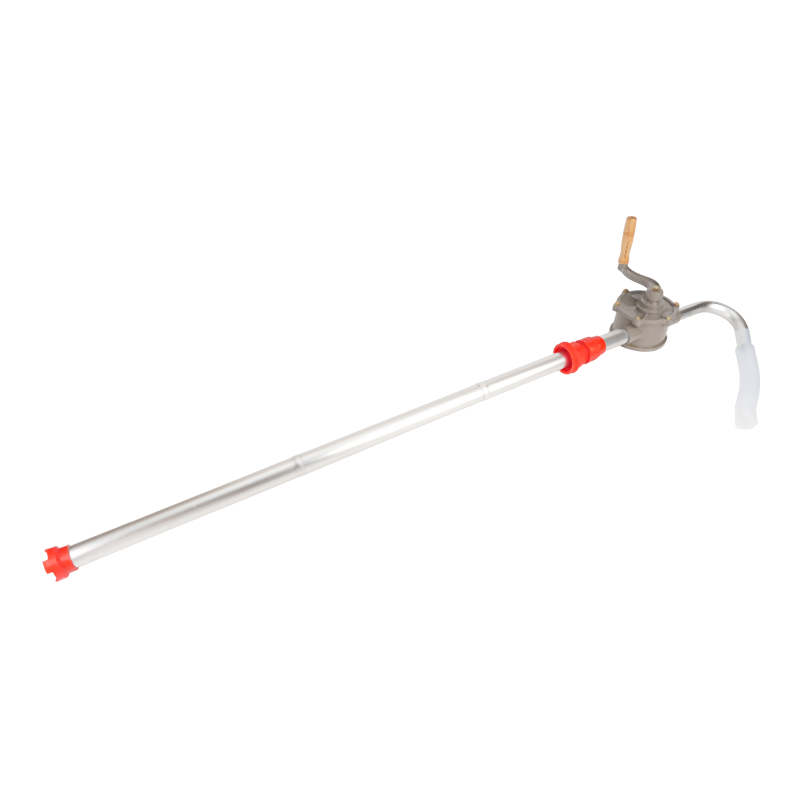
Pumping Mechanism and Cylinder Design: At the heart of a "Hand-operated oil pump" is either a reciprocating piston or a rotary vane. The cylinder is typically constructed from high-grade carbon steel or cast aluminum to prevent deformation under pressure. In a "piston-style hand pump," the inner bore must be honed to a mirror finish to minimize friction and prevent premature wear of the plunger seals. The "rotary barrel pump" variant utilizes precision-machined vanes that create a vacuum within the pump housing, drawing fluid upward through the suction tube. This mechanism is particularly effective for continuous flow requirements where a steady "lubricant dispensing" rate is needed for large volume transfers.
-
Sealing Systems and Chemical Compatibility: One of the most critical technical aspects of a "Hand-operated oil pump" is the choice of elastomers for the internal seals. Depending on the fluid being handled—whether it is petroleum-based motor oil, synthetic hydraulic fluid, or corrosive additives—the seals must be made of Nitrile (NBR), Viton (FKM), or Teflon (PTFE). For example, a "Hand-operated oil pump" designed for standard engine oil might use NBR seals, which offer excellent resistance to hydrocarbons. However, if the pump is used for solvents or aggressive chemicals, Viton seals are necessary to prevent swelling and leakage. The "leak-proof design" of the handle gland and the spout connection ensures that no fluid is wasted and that the work environment remains free of hazardous spills.
-
Suction Tube and Discharge Hardware: Most "Hand-operated oil pumps" are equipped with a telescopic suction tube or a multi-piece rigid pipe to accommodate various drum sizes, ranging from 15-gallon kegs to 55-gallon barrels. The inclusion of a 2-inch NPT bung adapter is standard, allowing the "barrel oil pump" to be securely threaded into the drum opening. The discharge side often features a curved metal spout or a reinforced PVC hose with a non-drip nozzle. High-end models incorporate an integrated filter or mesh screen at the base of the suction tube to prevent particulates from entering the pump chamber, thereby protecting the internal valves and the equipment being serviced.
To assist in selecting the correct hardware, the following table summarizes the typical specifications for common "Hand-operated oil pump" configurations:
|
Technical Feature |
Piston Lever Pump |
Rotary Vane Pump |
Heavy-Duty Siphon Pump |
|---|---|---|---|
|
Primary Material |
Chrome-plated Steel |
Die-cast Aluminum |
Polyethylene / PP |
|
Flow Rate per Stroke/Rev |
300ml - 500ml per stroke |
5L - 25L per minute |
15L - 20L per minute |
|
Viscosity Compatibility |
Up to SAE 140 (Thick) |
Up to SAE 90 (Medium) |
Low Viscosity / Water |
|
Inlet Diameter |
1" - 1.25" |
1.25" |
0.75" |
|
Seal Material |
Nitrile (NBR) |
Viton / NBR |
PE / Silicone |
|
Mounting |
2" NPT Bung |
2" NPT Bung |
Universal Clip-on |
|
Best Use Case |
Precision dispensing |
High-volume transfer |
Lightweight chemicals |
How Does the Hydraulic Logic of the Hand-operated Oil Pump Optimize Flow for High-Viscosity Lubricants?
Moving thick fluids requires overcoming significant resistance and internal friction within the pump body. The "Hand-operated oil pump" utilizes specific hydraulic principles to ensure that even heavy gear oils can be moved with minimal physical effort.
-
Vacuum Generation and Priming Efficiency: A high-quality "Hand-operated oil pump" is designed to be "self-priming." This means that the first few strokes of the handle or rotations of the crank evacuate enough air from the suction tube to create a low-pressure zone. Atmospheric pressure then pushes the oil upward into the pump body. In "piston hand pumps," a foot valve at the bottom of the suction tube maintains the fluid column, preventing the oil from draining back into the drum. This "check valve mechanism" is vital for immediate flow during subsequent use, reducing the time required for "manual oil transfer."
-
Leverage Ratios and Ergonomic Force: The mechanical advantage of a "lever-action oil pump" is calculated based on the ratio between the handle length and the piston stroke distance. A longer handle provides greater leverage, allowing the operator to generate higher discharge pressures with less force. This is particularly important when working in cold climates where the viscosity of oil increases significantly. The "ergonomic handle design" often includes a cushioned grip to prevent hand fatigue during prolonged "drum dispensing" tasks. By optimizing the pivot point of the lever, engineers can ensure a smooth, consistent stroke that maximizes the volume of fluid moved per cycle.
-
Pressure Relief and Flow Control: Advanced "Hand-operated oil pumps" may include an internal bypass or a pressure-sensitive vent to prevent over-pressurization of the discharge hose. When transferring oil into a gearbox or a small reservoir, the "flow control" provided by a manual pump is superior to electric alternatives. The operator can feel the resistance and adjust the pumping speed accordingly, preventing overflows and air pockets. This "tactile feedback" is a unique advantage of the "Hand-operated oil pump," making it the preferred choice for delicate maintenance tasks where precision is more important than raw speed.
In Which Specific Industrial Applications is the Hand-operated Oil Pump Indispensable?
Despite the rise of automation, the "Hand-operated oil pump" remains a critical asset across diverse sectors due to its reliability and independence from power sources.
-
Mobile Service and Field Maintenance: Technicians performing "on-site lubrication" for construction equipment—such as excavators, bulldozers, and cranes—rely heavily on the "Hand-operated oil pump." These machines often operate in rugged environments where bringing a bulky air compressor or an electric pump is impractical. A "portable hand pump" can be easily carried to the top of a machine to top off hydraulic fluid or grease reservoirs. Its "rugged construction" ensures that it can withstand the vibration and impact associated with transport in a service truck, providing a "ready-to-use" solution in any geographical location.
-
Agriculture and Marine Operations: On farms, the "Hand-operated oil pump" is used for transferring diesel fuel, tractor oil, and liquid fertilizers. Its ability to work without sparks makes it a safer option for "fuel transfer" in areas where combustible dust or dry hay is present. In the marine sector, "manual bilge pumps" and oil transfer pumps are essential for small vessel maintenance. The saltwater-resistant versions of these pumps, often using stainless steel or specialized plastics, provide long-term service life in corrosive maritime environments. Whether it is oiling a combine harvester or servicing an outboard motor, the "manual drum pump" provides the necessary "fluid mobility."
-
Emergency Response and Backup Systems: In industrial plants, the "Hand-operated oil pump" serves as a primary backup for electric lubrication systems. If a power failure occurs during a critical cooling or lubrication cycle, the manual pump can be used to provide emergency oil flow to bearings or gears, preventing catastrophic equipment failure. Furthermore, in "chemical spill containment," a "Hand-operated oil pump" made of chemically inert materials is used to recover leaked fluids from sumps or secondary containment areas. Its simplicity ensures that it will function even after long periods of storage, making it a reliable component of any "emergency maintenance kit."