

 English
 中文简体
中文简体

Grease Gun Manufacturers
-
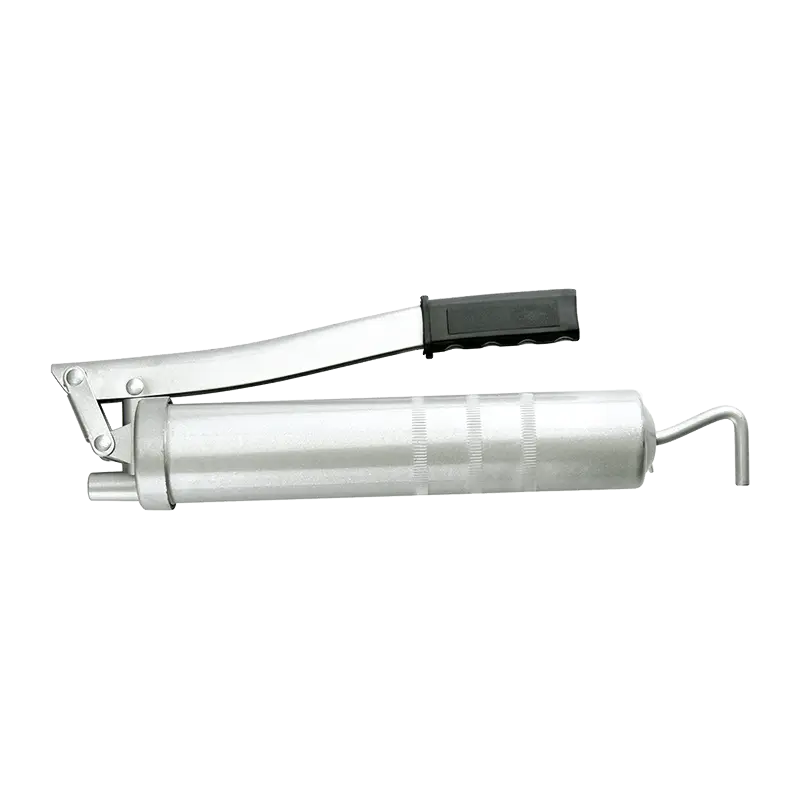
Classic High-Pressure Grease Gun
-
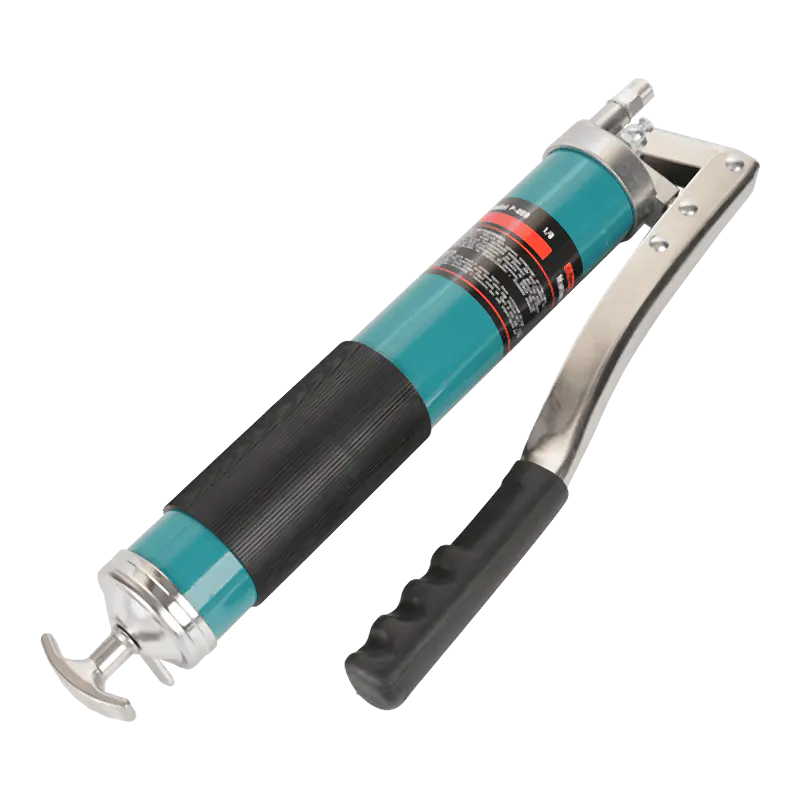
Industrial Grade Grease Gun
-
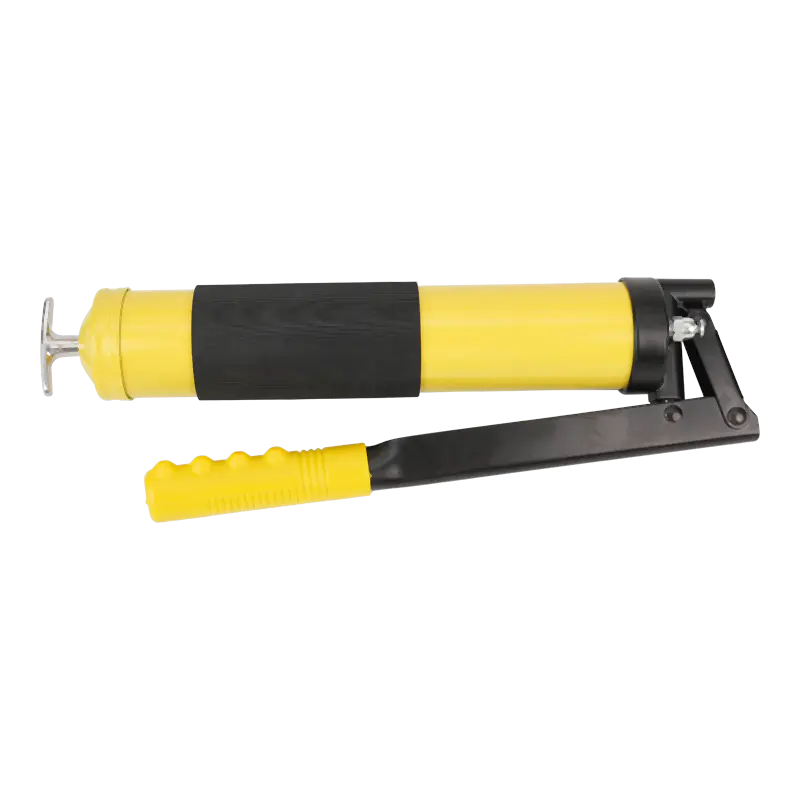
500CC Classic Grease Gun
-
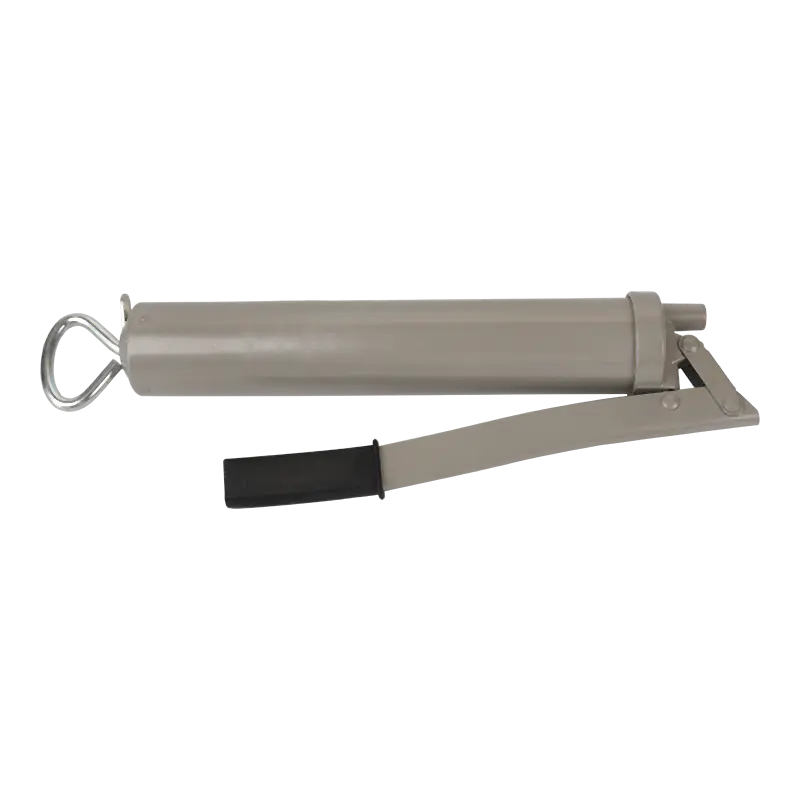
Manual High-pressure Grease Gun
-
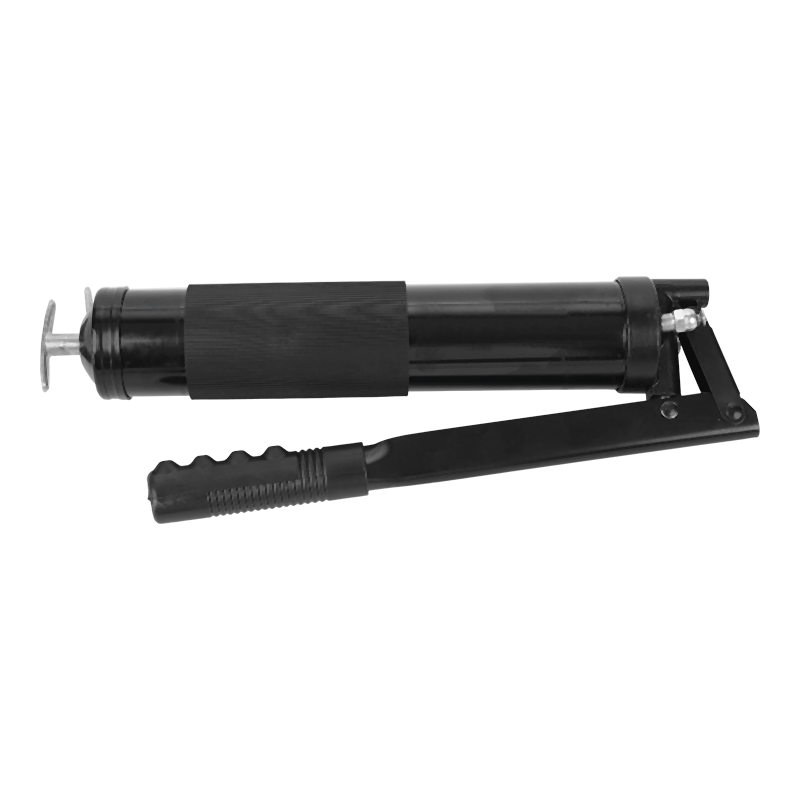
500CC Classic Grease Gun(Lever Type)
-
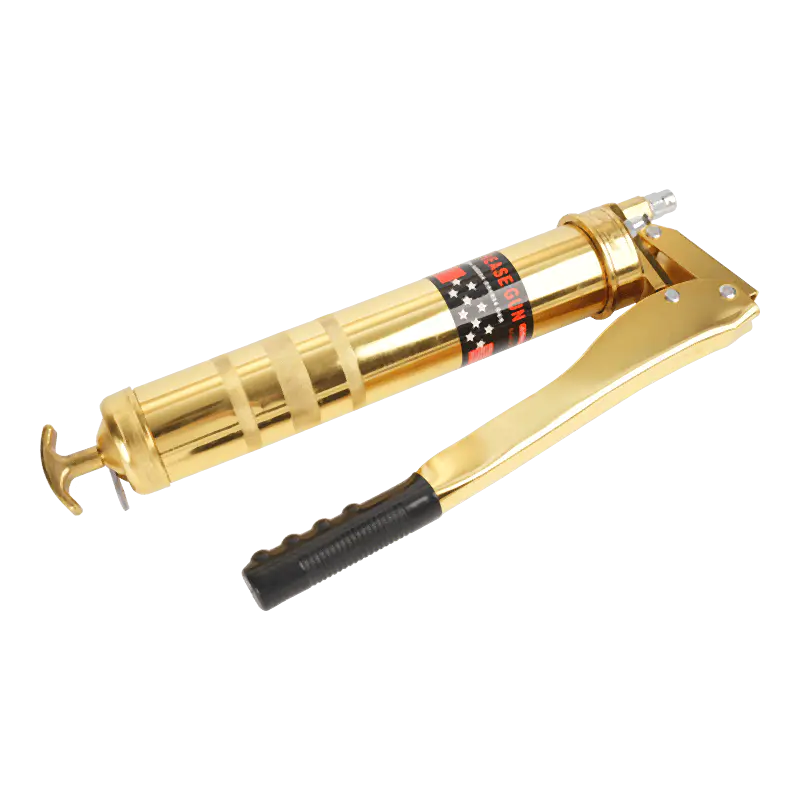
900CC Heavy-duty Grease Gun
-
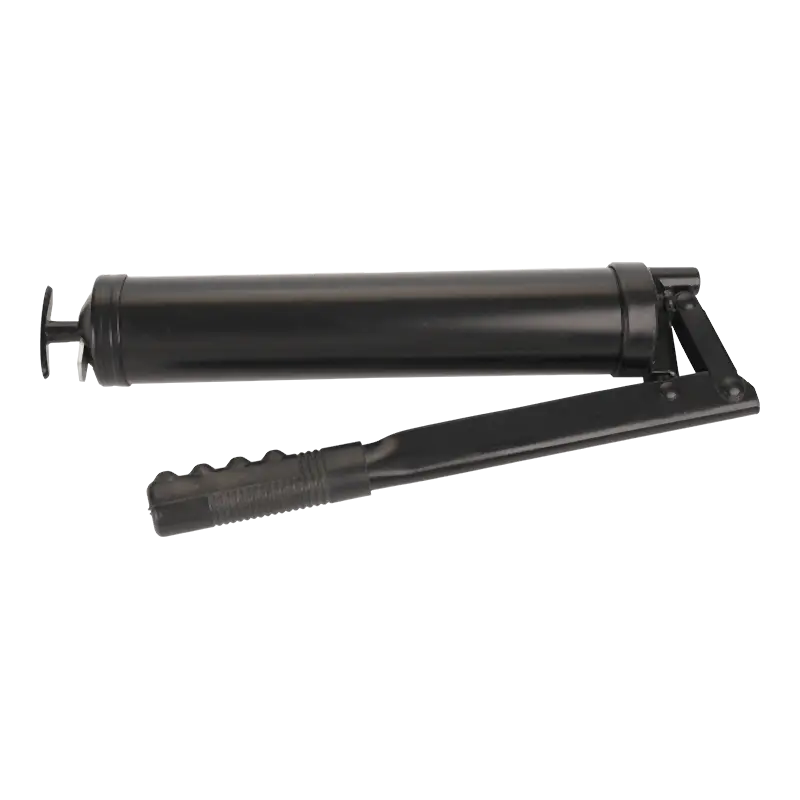
500CC Heavy-duty Grease Gun
-
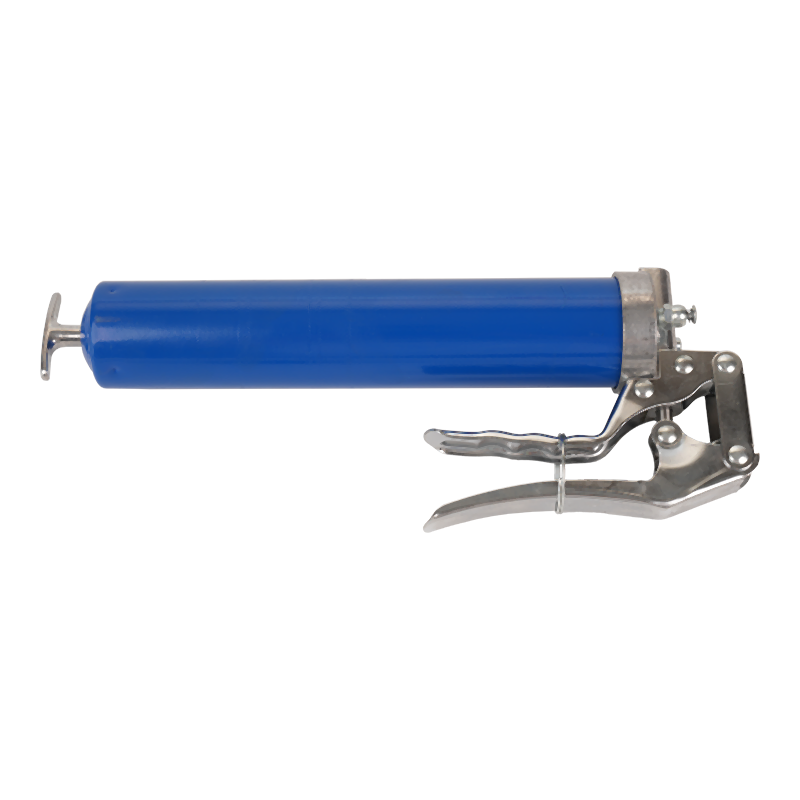
Spray-coated hand-operated grease gun
-
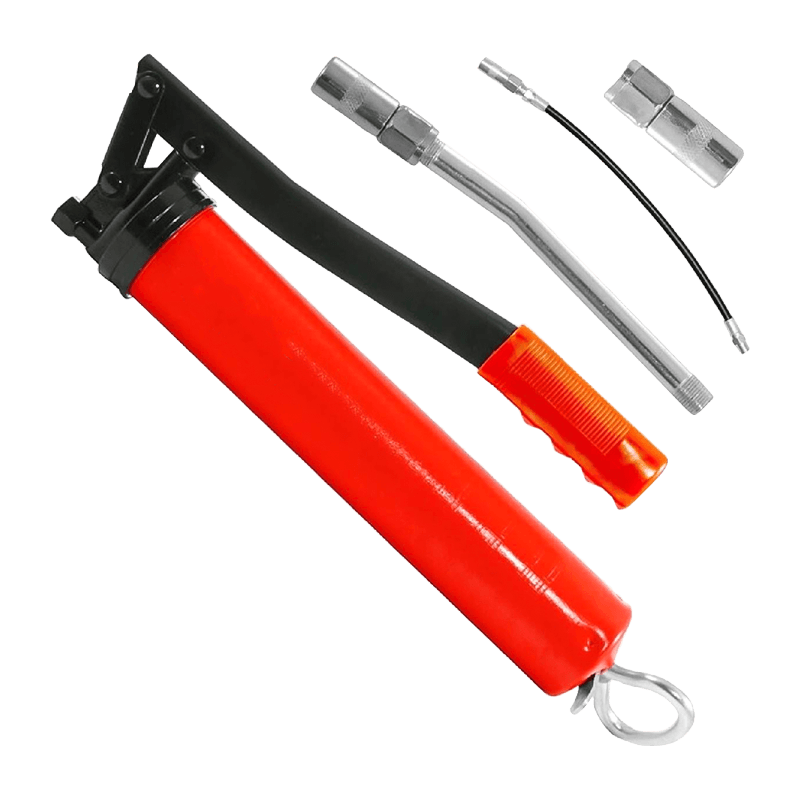
Manual High-Pressure Grease Gun
-
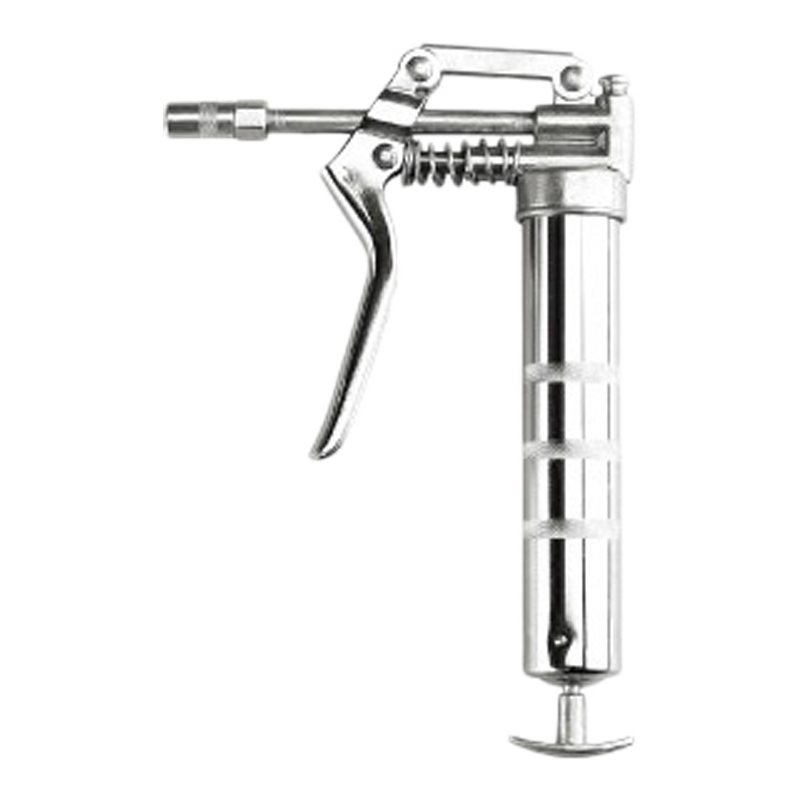
120CC Chrome-plated grease gun- Pistol Grip
-
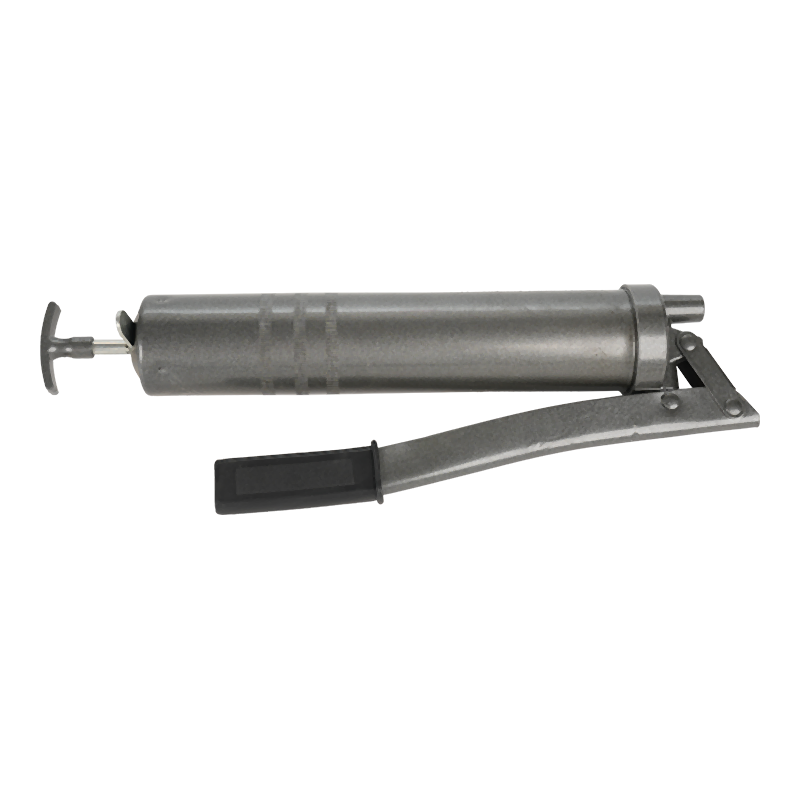
German lever grease gun
-
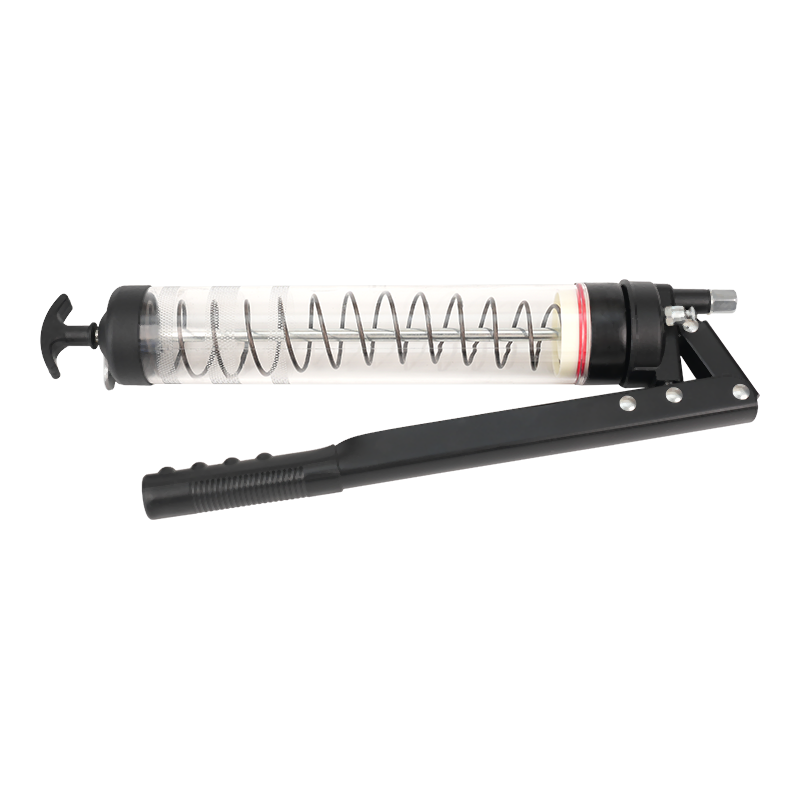
Transparent lever grease gun
Yangzhou Qionghua
Tools Co., Ltd.
Founded in 1993, Our company is a China Grease Gun Manufacturers and Mini Grease Gun Factory. Yangzhou Qionghua Tools Co.,Ltd is one of the leading manufacturers of lubricating, automotive and hand tools in China.
With more than 30000 square meters workshop, our factory can meet the capacity of our customers worldwide and has been the supplier for big European chain stores and industrial companies for about 30 years.
Our high quality service and low price are highly appreciated by most of our customers.
Grease gun Industry knowledge
What Mechanical or Industrial Equipment is a Grease Gun Suitable For?
A grease gun is a tool specifically designed to accurately deliver grease to lubrication points on machinery. Its applications cover virtually all industrial, vehicle, and mechanical equipment that requires regular lubrication. During operation, due to friction and pressure, components such as bearings, gears, pins, universal joints, and sliding guides in mechanical equipment gradually wear down. Lack of timely and effective lubrication can lead to overheating, accelerated wear, and even equipment failure. Therefore, the precise lubrication function of a grease gun is of irreplaceable importance in modern industrial maintenance and machinery upkeep.
In industrial machinery, grease guns are commonly used in construction machinery, manufacturing equipment, and industrial automation equipment. For example, the joint pins, steering knuckles, and wheel bearings of excavators, loaders, bulldozers, cranes, and road rollers require regular grease application. Using a grease gun ensures that the grease is evenly distributed to all corners of the bearings and pins, thereby reducing friction and temperature rise, and extending the equipment's service life. Production lines and automated machinery, such as textile machinery, printing equipment, packaging machinery, conveying devices, and robot joints, also rely on precise lubrication to maintain high efficiency and low failure rates. Especially in assembly lines or continuous operation environments, pneumatic or electric grease guns can be used in conjunction with centralized lubrication systems to achieve rapid, high-volume greasing, improving maintenance efficiency.
In the vehicle and transportation industry, grease guns are crucial for cars, trucks, trailers, motorcycles, ships, and railway equipment. Automotive suspension systems, ball joints, universal joints, and wheel bearings require regular greasing to ensure smooth operation and driving safety. The steering gears, axles, and sliding components in ships and railway equipment also require frequent, high-precision lubrication. Industrial maintenance teams and vehicle maintenance stations typically use manual, pneumatic, or electric grease guns to meet the requirements for lubrication pressure, grease volume, and ease of operation in different scenarios.
In the food, pharmaceutical, and high-cleanliness industries, grease guns also play an important role, but require the use of food-grade or low-contamination grease, and the grease gun itself must be made of materials that comply with relevant safety and hygiene standards. Whether in high-temperature, high-pressure environments, or complex and confined spaces, the Grease Gun ensures accurate lubrication of lubrication points, thereby reducing mechanical failure rates and improving equipment reliability.
How to Operate a Grease Gun? Is there a single-handed operation design?
The operation method of a grease gun varies depending on the type, including manual, pneumatic, electric, and airless models. However, its core function remains the same: to accurately deliver grease from the reservoir to the mechanical lubrication point. The most common manual grease gun usually consists of a reservoir, a piston rod (or lever), a nozzle, and a hose. During operation, the nozzle is tightly connected to the lubrication point, and pressure is generated by pushing the handle or piston rod to push the grease to the target area. Modern manual designs also incorporate ergonomic handles and single-handed operation mechanisms, allowing maintenance personnel to efficiently complete lubrication work even in confined or elevated spaces.
In manual operation, the user must first correctly load the grease into the reservoir and remove any air to prevent air locks from affecting lubrication efficiency. Then, by pressing the piston or rotating the handle, the grease is delivered at a stable pressure into the bearing or pin joint gap. Care should be taken to control the pressure; excessive pressure may cause seal damage or grease overflow at the lubrication point, while insufficient pressure will result in uneven lubrication. For high-viscosity greases, manual operation may require considerable force, so pneumatic or electric grease guns are a better choice in industrial environments.
Pneumatic grease guns use air pressure to continuously push the grease, suitable for high-frequency lubrication scenarios, especially for construction machinery and assembly line equipment. Electric grease guns use a built-in motor to drive the piston to push the grease, offering high lubrication efficiency and often equipped with pressure regulation functions for precise lubrication. Modern models typically feature a single-handed operation trigger, allowing the operator to hold the nozzle with one hand and control the trigger or start button with the other, thus achieving efficient and precise lubrication.
When using a grease gun, the following techniques and safety precautions should also be observed:
- Nozzle Connection: Ensure the nozzle is tightly fitted to the lubrication hole or grease fitting to prevent leakage and air entry.
- Control Lubrication Amount: Adjust the amount of grease applied each time according to equipment requirements to avoid excessive or insufficient lubrication.
- Cleaning and Maintenance: Clean the nozzle, hose, and connectors after each use to prevent grease solidification and clogging.
- Avoid Overpressure: Especially for pneumatic and electric models, ensure the pressure is within the equipment's allowable range to prevent damage to the seals.
Therefore, whether manual, pneumatic, or electric, the operation of a Grease Gun revolves around precision, control, single-handed operation, and efficient lubrication, meeting the needs of various industrial scenarios for ease of operation and lubrication accuracy.
How to Avoid Wear and Tear or Blockages During Grease Gun Use?
In industrial and vehicle maintenance, the long-term stable use of a grease gun depends on proper operation, scientific maintenance, and the selection of appropriate lubricants. Wear and tear and blockages are the most common problems during use. If not prevented, they can lead to inefficient lubrication, uneven lubrication of equipment, and even shorten the lifespan of the grease gun and the lubricated equipment. Therefore, mastering correct operating methods, regular maintenance, and using high-quality products are crucial.
The selection of lubricating grease is key to preventing blockages and wear. Manual grease guns have limited pushing force for high-viscosity greases, while pneumatic or electric models can handle thicker greases. Using incompatible grease can easily cause excessive pressure on the piston rod, wear on seals, or nozzle blockage. To ensure efficient and reliable lubrication every time, Yangzhou Qionghua Tools Co., Ltd., through years of accumulated industrial experience and continuous innovation, provides rigorously tested grease gun products and related technical support, ensuring good compatibility between the grease gun and different types of lubricants, suitable for various industrial and vehicle equipment maintenance needs.
The standardization of operating procedures directly affects the lifespan and performance of the grease gun. Before filling with grease, air should be expelled from the grease cylinder to prevent air locks that can cause inefficient lubrication. Air locks not only affect lubrication efficiency but can also create localized high pressure at the piston rod or seals, accelerating wear. Yangzhou Qionghua Tools Co., Ltd.'s product design fully considers this, and many models are equipped with exhaust and quick-filling functions, making operation simpler and more reliable, reducing the risk of blockages or wear caused by improper operation.
Regular cleaning and inspection are important steps in avoiding blockages and wear. After each use, the nozzle, hose, and connectors should be cleaned to prevent the grease from solidifying after cooling or contact with air. Hoses and connectors should also be regularly inspected for cracks, aging, or blockages. Yangzhou Qionghua Tools Co., Ltd. has ample equipment resources and a professional technical team to provide stable product quality and scientific maintenance advice, and has established a systematic customer file and service mechanism to ensure that customers receive timely and professional technical support during use.
Operating pressure control is equally important. Excessive force when using the manual grease gun's plunger can accelerate piston rod wear, while prolonged continuous use at ultra-high pressure in pneumatic or electric models may damage the seals or nozzles. The technical team at Yangzhou Qionghua Tools Co., Ltd. advises customers to set the operating pressure according to the equipment manual and follow the principles of regular inspection and lubrication during daily maintenance to extend the service life of the equipment and grease gun.
The storage environment of the grease gun also affects its performance. Avoid storing the grease gun in high-temperature, humid, or dusty environments, as dust and impurities may enter the hose or nozzle, causing blockage and wear. Yangzhou Qionghua Tools Co., Ltd. provides comprehensive after-sales service, with team members conducting follow-up visits and communication to help customers solve problems in storage, maintenance, and operation, ensuring the long-term efficient operation of the grease gun.
By correctly selecting lubricants, following proper operating procedures, performing regular cleaning and maintenance, and using high-quality products, the grease gun can maintain long-term stable lubrication performance, providing precise lubrication for equipment, reducing downtime and maintenance costs, and improving industrial production reliability. At the same time, Yangzhou Qionghua Tools Co., Ltd. provides professional consultation and comprehensive support to customers with its excellent product quality, reasonable cost-effectiveness, and meticulous after-sales service, making every lubrication operation safer, more efficient, and controllable.

+86-13912130779
Visit Our LocationYanjiang Development Zone, Yangzhou City, JiangSu, China
 OUR Product
USEFUL LINKS
USEFUL LINKS
OUR Product
USEFUL LINKS
USEFUL LINKS
©Copyright: Yangzhou Qionghua Tools Co., Ltd. All rights reserved

