

 English
 中文简体
中文简体

Grease injector Manufacturers
-
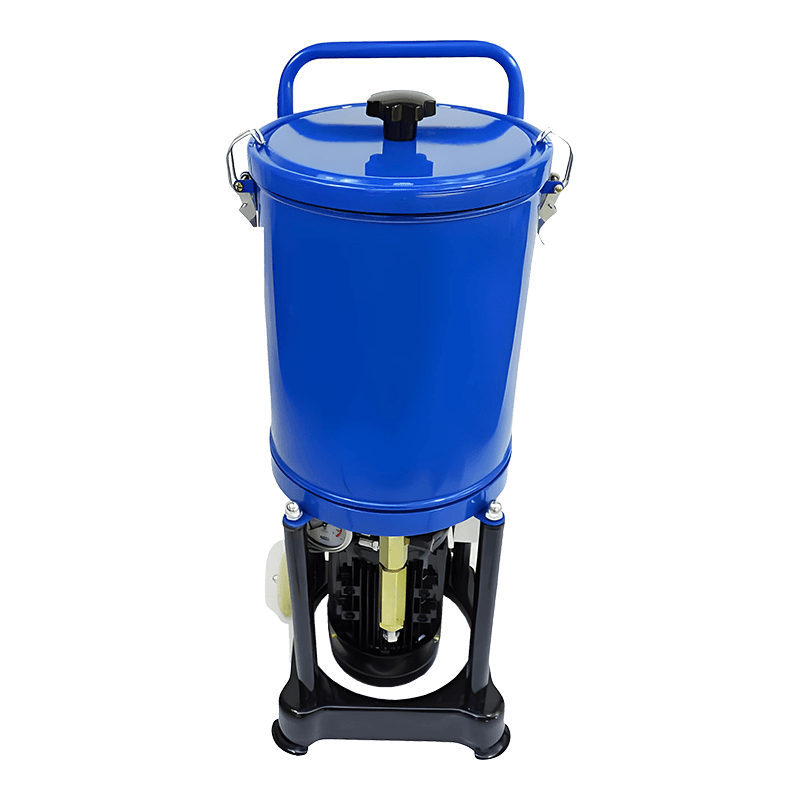
15L electric grease filler with 4m oil pipe
-
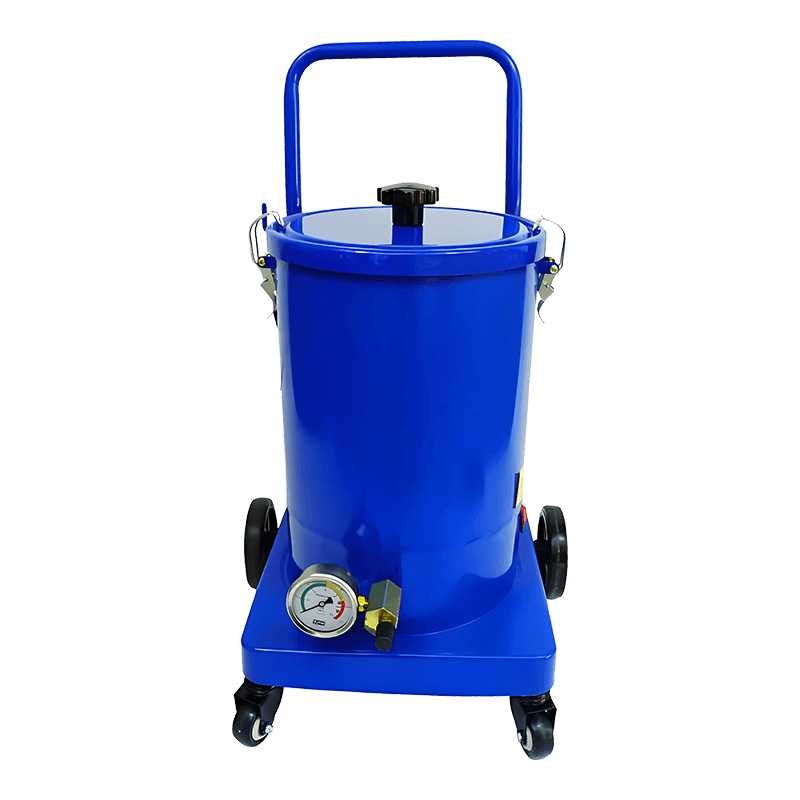
15L electric grease dispenser (voltage 24V)
-
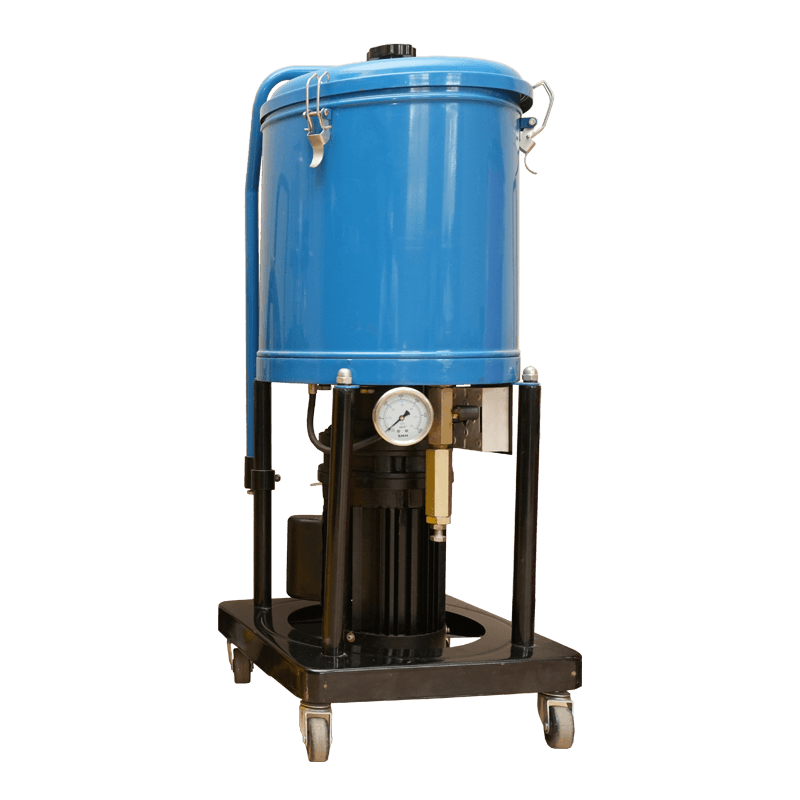
25L 1.1KW electric grease dispenser
-
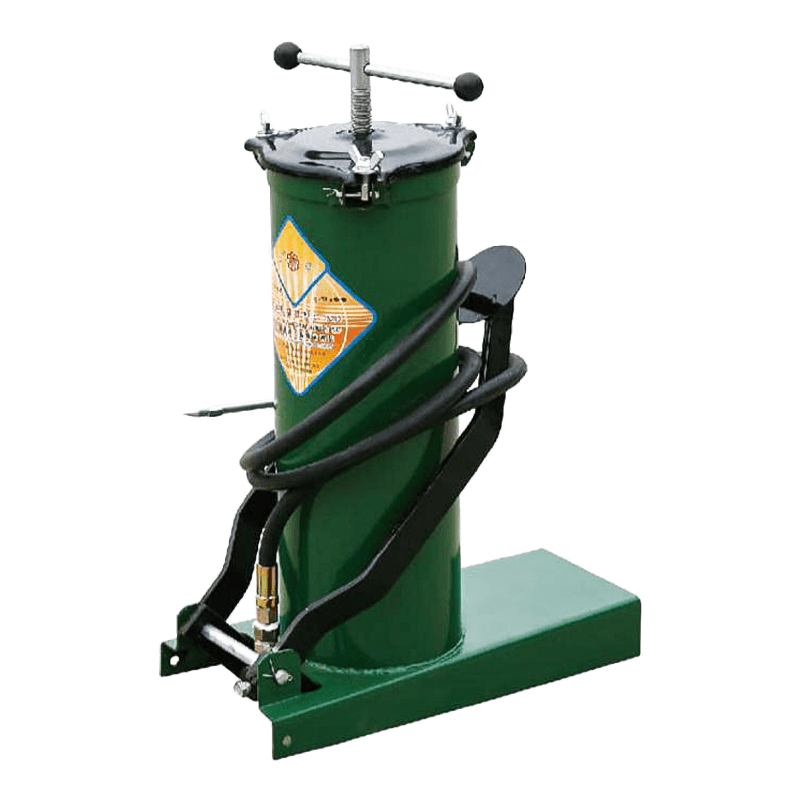
6KG thick alloy foot-operated grease injector
-
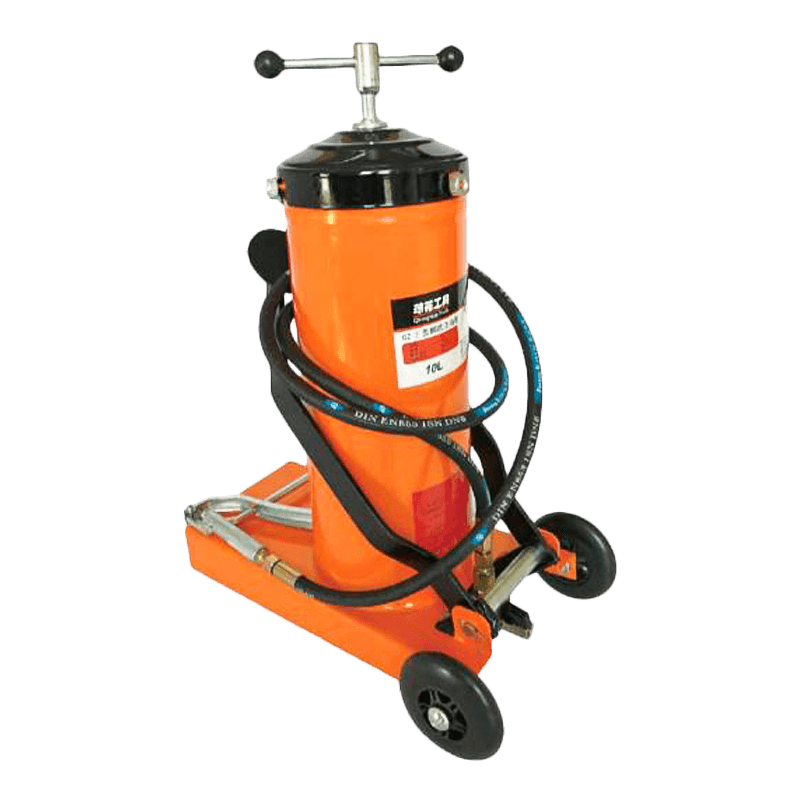
10KG Foot-operated grease injector with straight handle gun
-
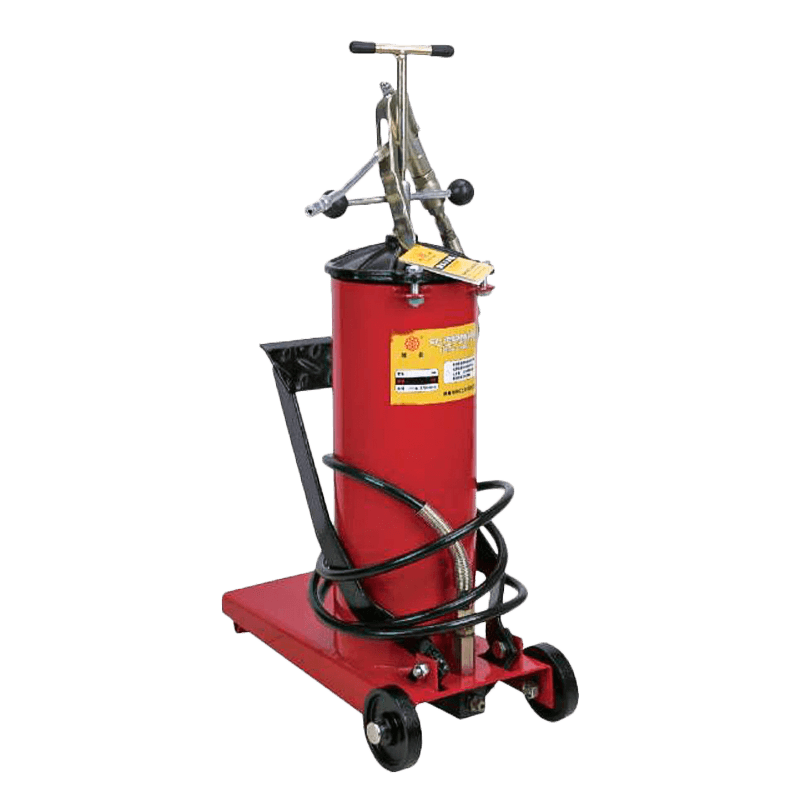
12KG Foot-operated grease injector
-
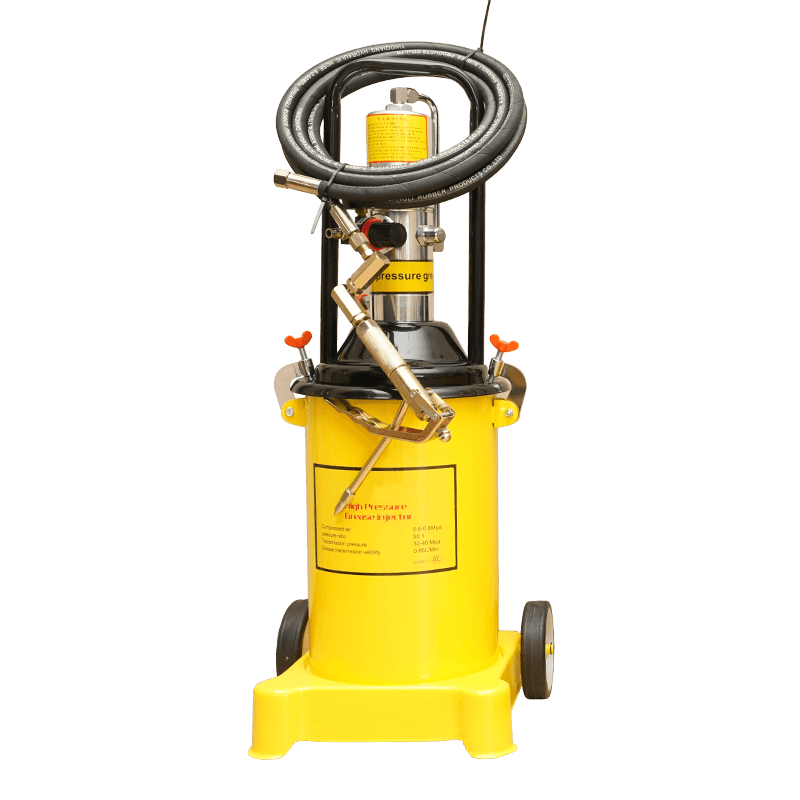
12L pneumatic grease dispenser
-
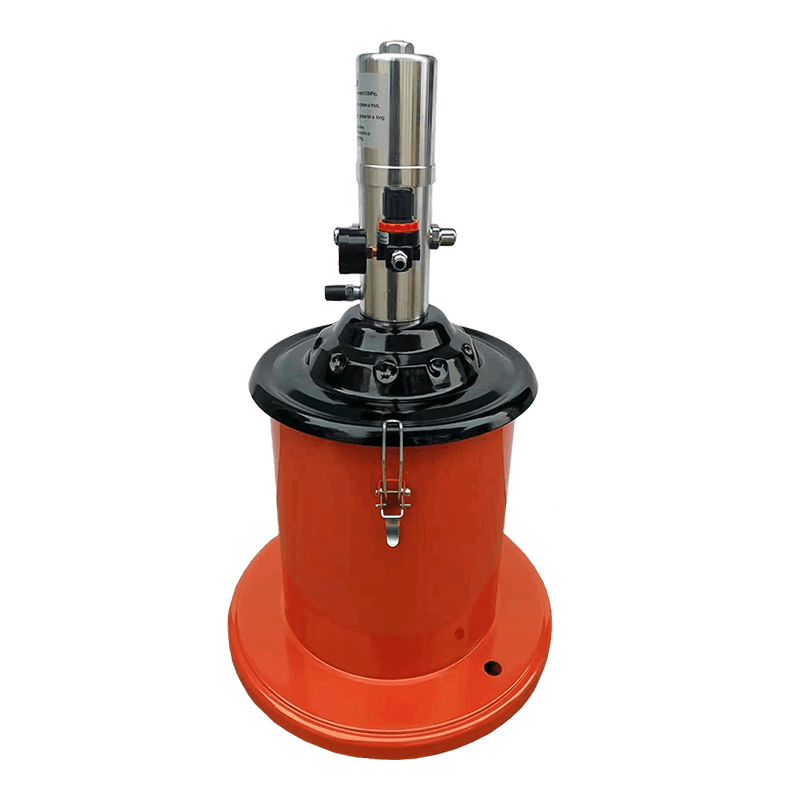
20L pneumatic grease dispenser
-
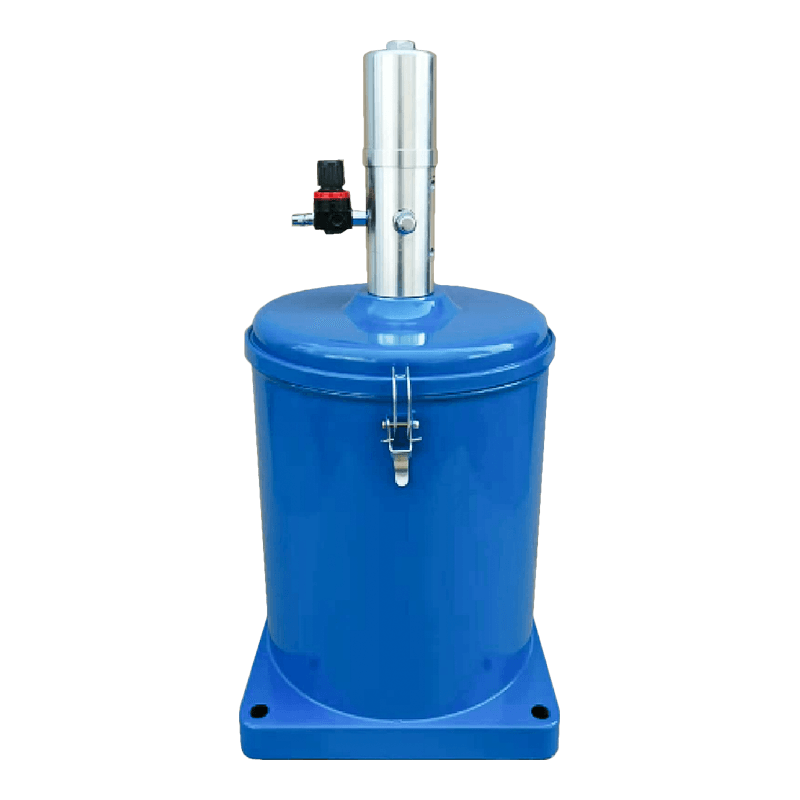
40L pneumatic grease dispenser
Yangzhou Qionghua
Tools Co., Ltd.
Founded in 1993, Our company is a China Grease injector Manufacturers and Grease injector Factory. Yangzhou Qionghua Tools Co.,Ltd is one of the leading manufacturers of lubricating, automotive and hand tools in China.
With more than 30000 square meters workshop, our factory can meet the capacity of our customers worldwide and has been the supplier for big European chain stores and industrial companies for about 30 years.
Our high quality service and low price are highly appreciated by most of our customers.
Grease injector Industry knowledge
What is the Working Principle of a Grease Injector?
A grease injector is a professional lubrication tool that precisely injects grease into equipment lubrication points through a controlled pressure and quantitative output mechanism. Unlike traditional grease guns, which primarily operate by "continuous pushing," grease injectors emphasize a quantitative, stable, high-pressure, and controllable injection process, making them particularly suitable for high-load, precision, or enclosed lubrication applications.
From a working principle perspective, the core of a grease injector lies in the synergistic action of pressure drive + piston displacement + one-way control. The device typically contains an injection cylinder and a piston structure. When the operator applies external force manually, pneumatically, or electrically, the drive system pushes the piston forward, compressing the grease within the sealed space, thereby creating a stable and controllable output pressure. Under this pressure, the grease is precisely delivered to the target lubrication point through the outlet valve or injection interface.
To ensure the unidirectional and stable nature of the injection process, grease injectors are usually equipped with a one-way valve or check valve structure. This structure effectively prevents grease backflow, avoiding uneven injection or contamination of lubrication points due to pressure fluctuations. Furthermore, some high-end grease injectors also feature a quantitative control mechanism, allowing for precise control of the amount of grease injected each time through adjustment of stroke, knobs, or metering modules, ensuring that different equipment or lubrication points receive the appropriate amount of lubrication.
In high-pressure applications, the working pressure of a grease injector is typically higher than that of ordinary grease guns, enabling it to overcome the resistance of high-resistance lubrication channels, aging seals, or complex oil circuits. This makes it particularly effective in engineering machinery, mining equipment, heavy-duty bearings, and centralized lubrication systems. In addition, because the injection process is more controllable, grease injectors can reduce problems such as seal damage, increased energy consumption, or environmental pollution caused by excessive lubrication.
What are the Main Structural Components of a Grease Injector?
The overall structural design of a grease injector revolves around four key objectives: high pressure, safety, precision, and durability. Its internal and external components are typically comprised of multiple functional parts that work together to ensure stable operation even under complex working conditions.
First is the injection barrel. This is the main component that stores the grease, usually made of high-strength steel or alloy materials to withstand the internal pressure generated during high-pressure injection. The capacity of the injection barrel varies depending on the model, meeting the needs of single-point injection or continuous operation.
Second is the piston assembly. The piston is the core moving part of the grease injector, responsible for pushing the grease forward under the action of the drive system. High-quality pistons are usually equipped with wear-resistant sealing rings, which maintain good sealing performance and reduce wear during high-frequency use, ensuring a smooth and consistent injection process.
Third is the drive system. Depending on the model, grease injectors can use manual lever drive, pneumatic drive, or electric drive. Manual types are suitable for on-site maintenance and small-scale operations; pneumatic and electric types are suitable for high-frequency, large-volume, or automated lubrication scenarios.
Fourth is the sealing and valve system. This includes key components such as sealing rings, check valves, and safety valves. Their main function is to prevent grease leakage, backflow, or equipment damage due to overpressure. The safety valve automatically releases pressure when it exceeds a set value, thus protecting the operator and equipment.
Grease injectors are also typically equipped with injection interfaces and connecting components, such as quick connectors, threaded interfaces, or customized connectors, to adapt to the lubrication point structures of different equipment. Some models may also be equipped with pressure gauges or metering devices for real-time monitoring of the injection status.
What is the Standard Operating Procedure for a Grease Injector?
To ensure that the grease injector achieves safe, stable, precise, and efficient lubrication in practical applications, a standardized operating procedure is crucial. Standard operation not only guarantees the quality of equipment lubrication but also effectively extends the service life of both the grease injector itself and the lubricated equipment. Through years of serving global customers, Yangzhou Qionghua Tools Co., Ltd. has systematically refined the grease injector usage process based on continuous customer communication and accumulated project experience. We can also provide targeted operational guidance and customized solutions according to different customer needs.
Pre-use Inspection and Technical Confirmation
Before operating the grease injector, a comprehensive inspection and technical confirmation must be performed. This includes checking the injector's appearance for damage, ensuring the injection cylinder and interfaces are secure, and verifying that the seals are not aged or damaged. Simultaneously, it is necessary to confirm that the type, viscosity, and performance of the lubricant used meet the equipment manufacturer's technical requirements.
Yangzhou Qionghua Tools Co., Ltd. has an experienced sales and technical team with multilingual communication capabilities, enabling seamless communication with global customers at the initial stages of a project. This helps customers clarify equipment working conditions, lubrication requirements, and operating specifications, preventing issues caused by improper selection or use that could affect subsequent operation.
Lubricant Filling and Air Purging
After confirmation, the lubricant should be correctly filled into the grease injector cylinder. Cleanliness must be maintained during the filling process to prevent impurities from entering. After filling, an air purging operation must be performed to ensure that there is no residual air inside the injection system. Air can lead to discontinuous injection, pressure fluctuations, and even affect lubrication accuracy, making it a crucial step in standard operation.
For different customer operating habits and application environments, Yangzhou Qionghua Tools Co., Ltd. can provide more convenient filling and air purging solutions through OEM customization and structural optimization design, improving on-site operational efficiency.
Connecting to Lubrication Points and Confirming Seal Status
Connect the grease injector's injection interface to the equipment's lubrication point, ensuring that the interface specifications match, the connection is secure, and the seal is reliable. Insufficient connection may lead to lubricant leakage or insufficient injection pressure, affecting the lubrication effect. In complex or specialized equipment applications, Yangzhou Qionghua Tools Co., Ltd., leveraging its flexible production and manufacturing capabilities, can provide customized connectors or specialized interface designs based on the customer's equipment interface type, ensuring that the Grease Injector seamlessly adapts to different equipment systems.
Performing Injection Operations (Standardization and Controllability)
After connection, perform the injection operation according to the equipment lubrication requirements. The operation should be smooth and even, avoiding sudden pressure increases. For Grease Injectors with quantitative or pressure adjustment functions, parameters should be set in advance to ensure accurate and controllable lubrication grease injection each time.
Yangzhou Qionghua Tools Co., Ltd. places great emphasis on customer satisfaction during the service process. We not only provide reliable products but also continuously optimize the operation logic and design solutions based on customer feedback to help customers achieve more stable lubrication results in actual working conditions.
Confirmation and Safe Disconnection After Injection
After injection, observe whether there is an appropriate amount of grease overflowing or signs of pressure release at the lubrication point to confirm that lubrication is complete. Then, slowly disconnect the injection interface to avoid splashing or safety hazards caused by residual pressure.
If customers encounter operational questions or abnormal situations during use, Yangzhou Qionghua Tools Co., Ltd. adheres to a rapid response and efficient problem-solving mechanism, assisting customers in quickly troubleshooting and resolving problems through timely communication and technical support.
Cleaning, Recording, and Storage
After use, the Grease Injector injection interface and external residual grease should be cleaned promptly to prevent grease solidification or contamination. The equipment should be stored in a dry, clean environment. For customers with long-term or batch use, it is recommended to establish standardized operation records and maintenance files.
Based on a deep understanding of customer needs, Yangzhou Qionghua Tools Co., Ltd. can provide customized operation process suggestions and product solutions to help customers establish a more standardized and efficient lubrication management system.

+86-13912130779
Visit Our LocationYanjiang Development Zone, Yangzhou City, JiangSu, China
 OUR Product
USEFUL LINKS
USEFUL LINKS
OUR Product
USEFUL LINKS
USEFUL LINKS
©Copyright: Yangzhou Qionghua Tools Co., Ltd. All rights reserved

