

 English
 中文简体
中文简体

Oil Jerry Can Manufacturers
-
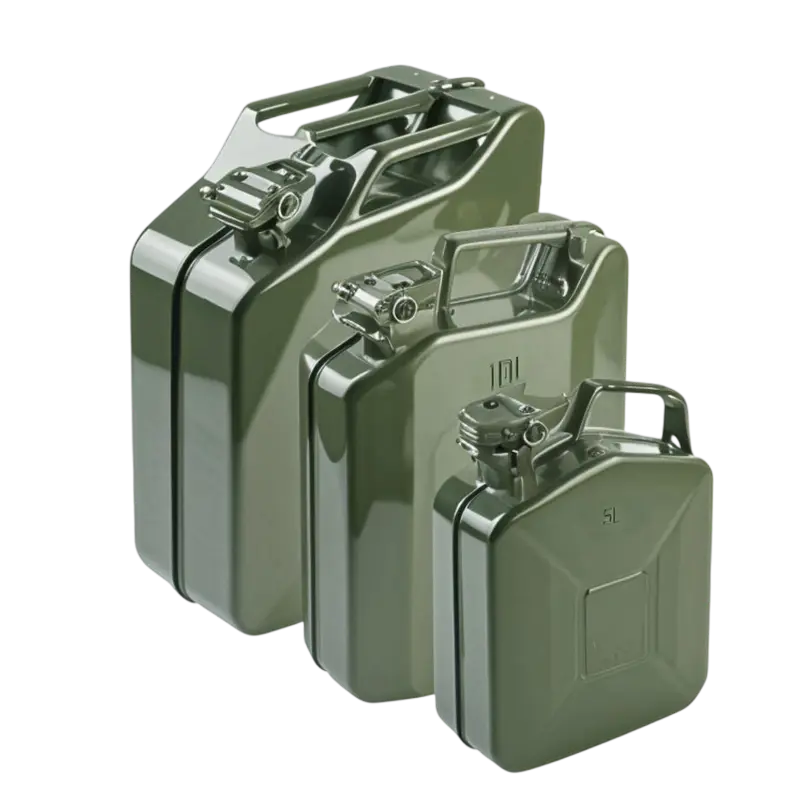
5L/10L/20L Classic Metal Jerry Can
-
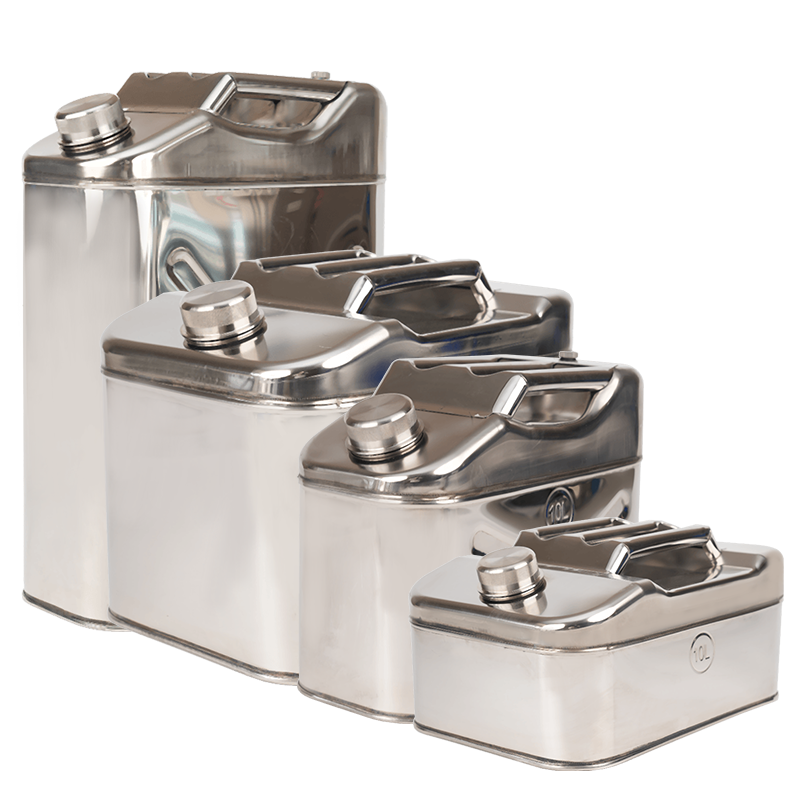
5L/10L/15L/20L/25L/30L/35L/40L 304 Stainless Steel Oil Drums
-
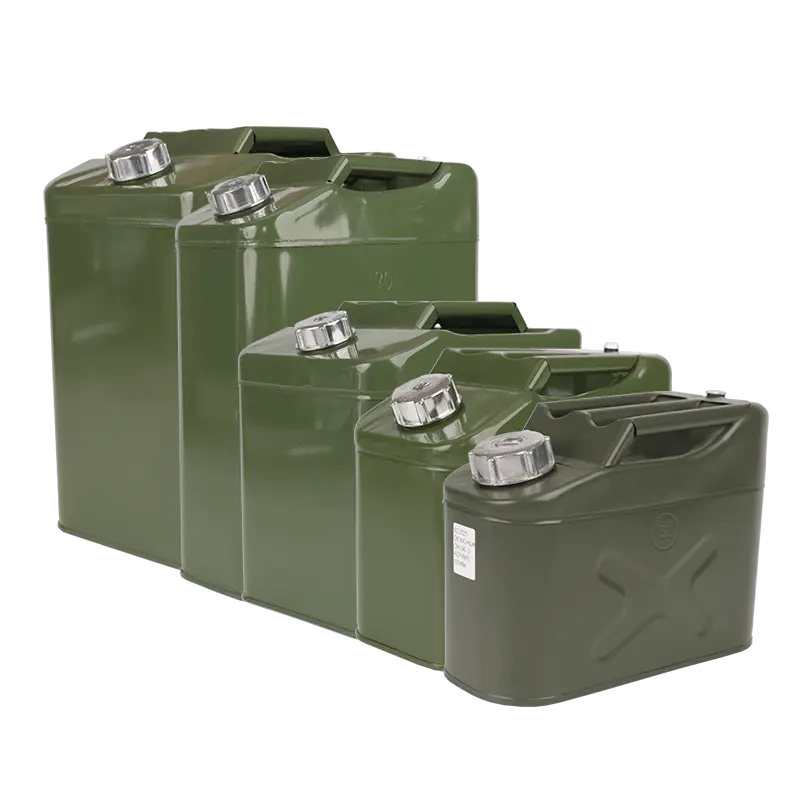
5L/10L/20L/25L/30L/35L/40L Vertical metal oil barrel
-
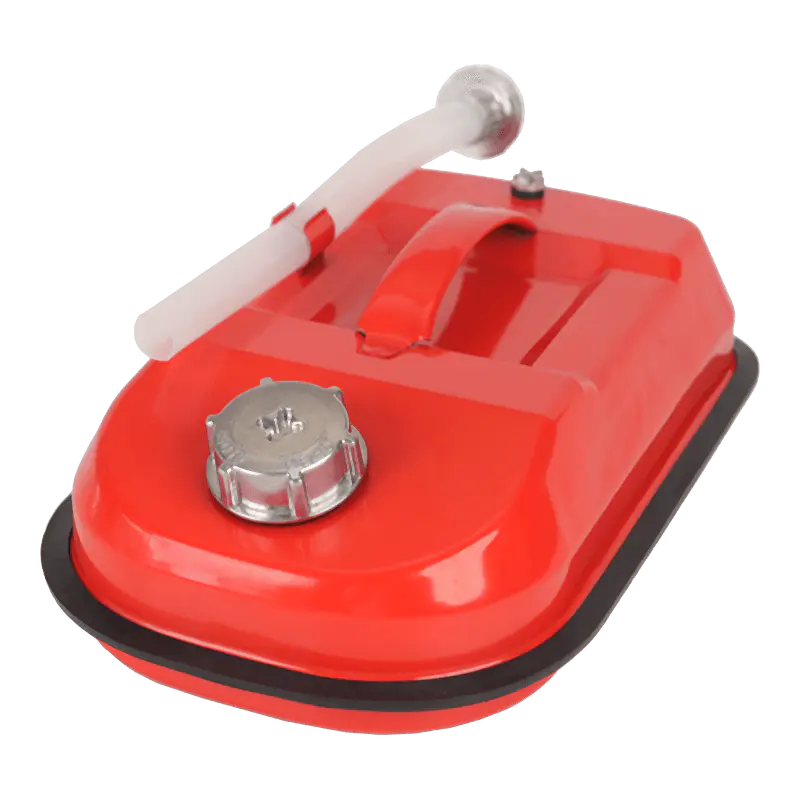
5L/10L/20L Horizontal metal oil barrel
-
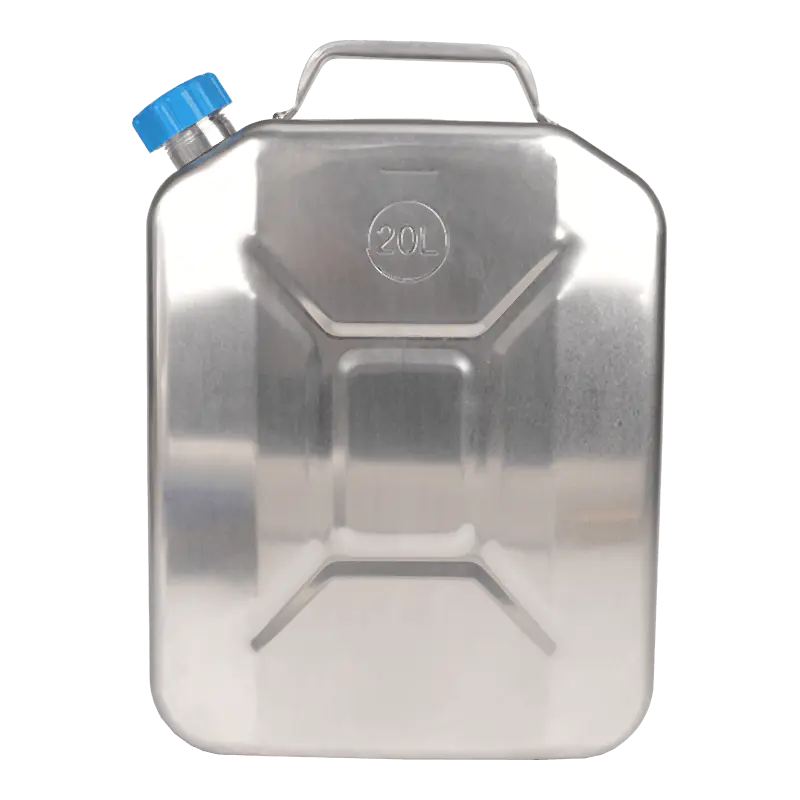
10L/20L Aluminum Oil Barrel
-
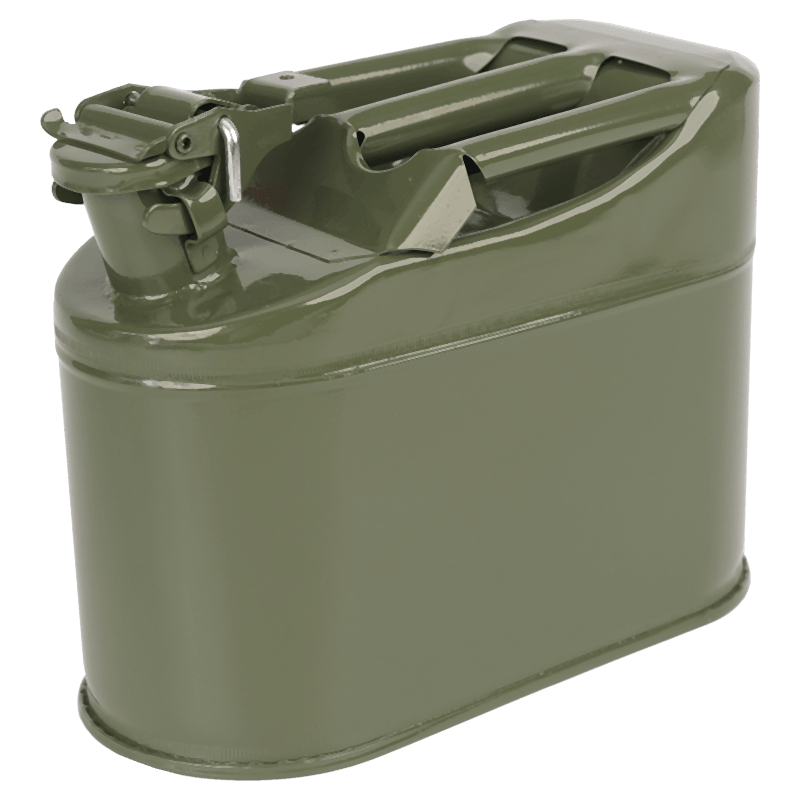
5L/10L/20L Portable Can
-
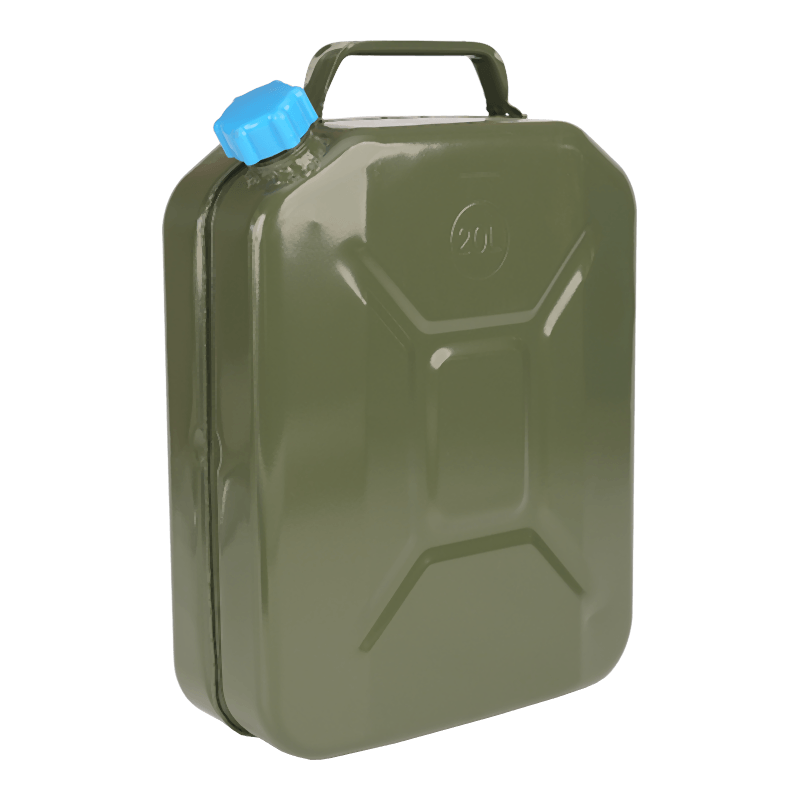
10L/20L Aluminum Oil Barrel with Surface Powder Coating
-
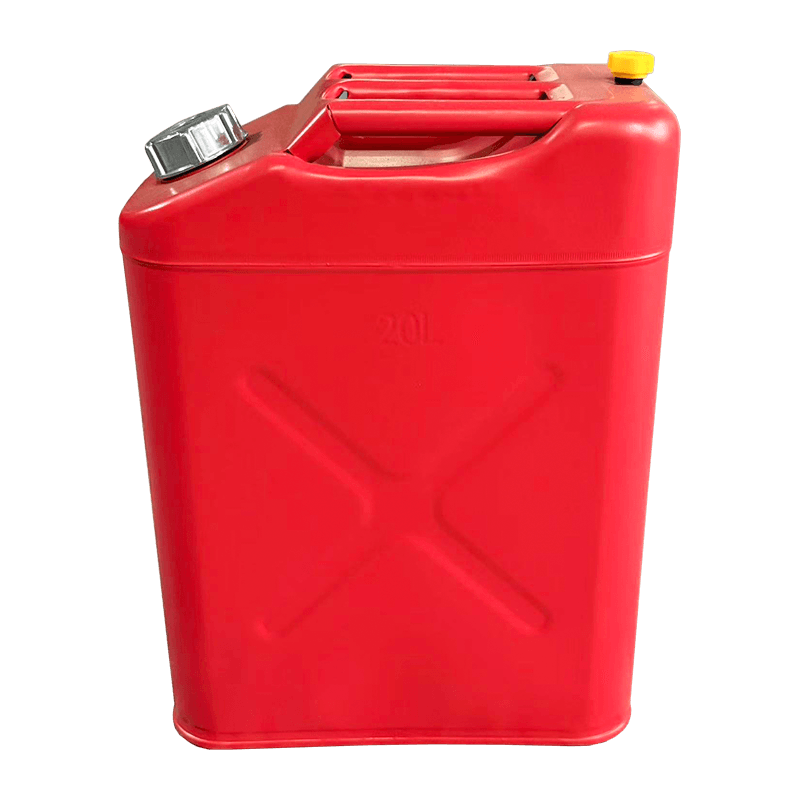
10L/20L Matte Red Oil Drum with Aluminum Cap
-
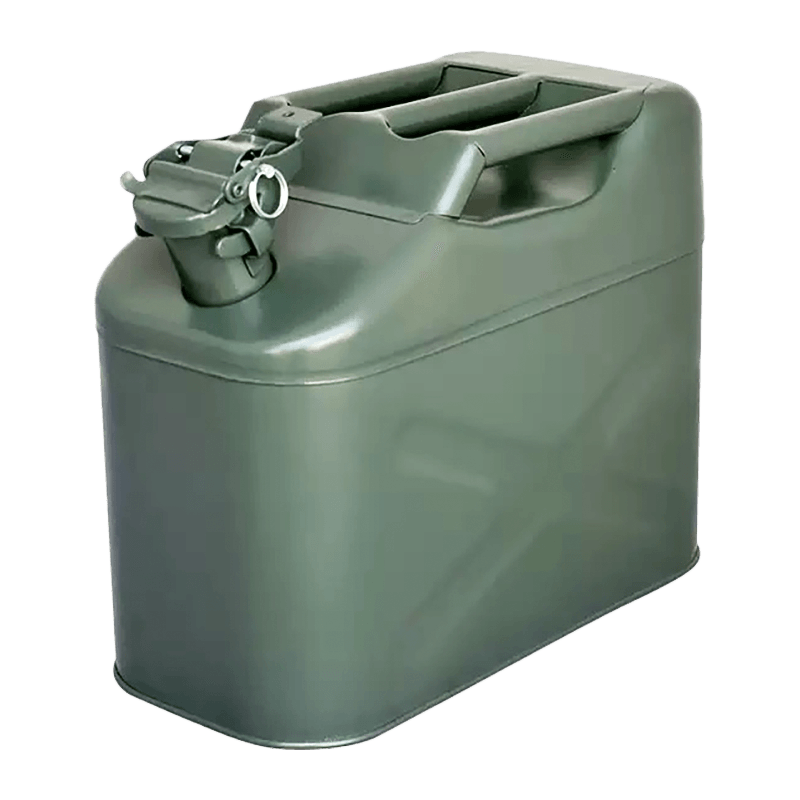
5L/10L/20L Portable Jerry Can
-
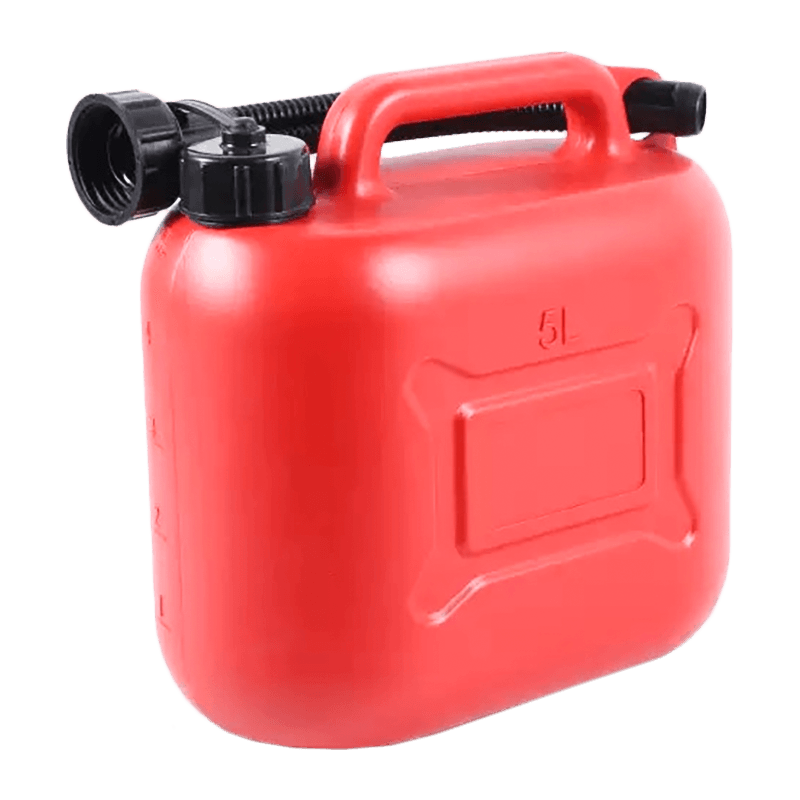
Plastic Oil Drum with Spout
-
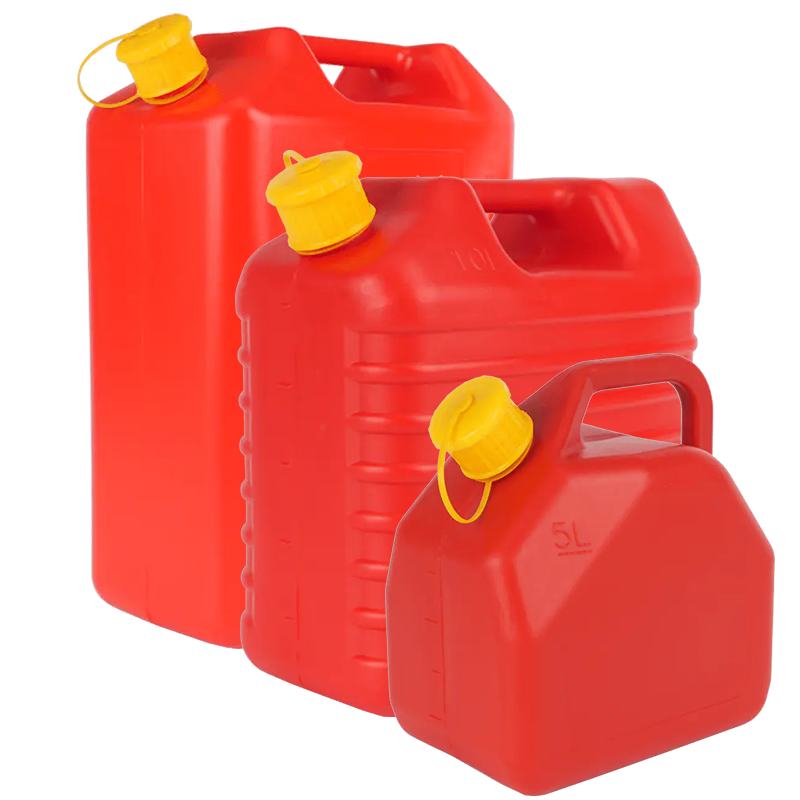
5L/10L/20L Classic Portable Plastic Oil Barrel
-
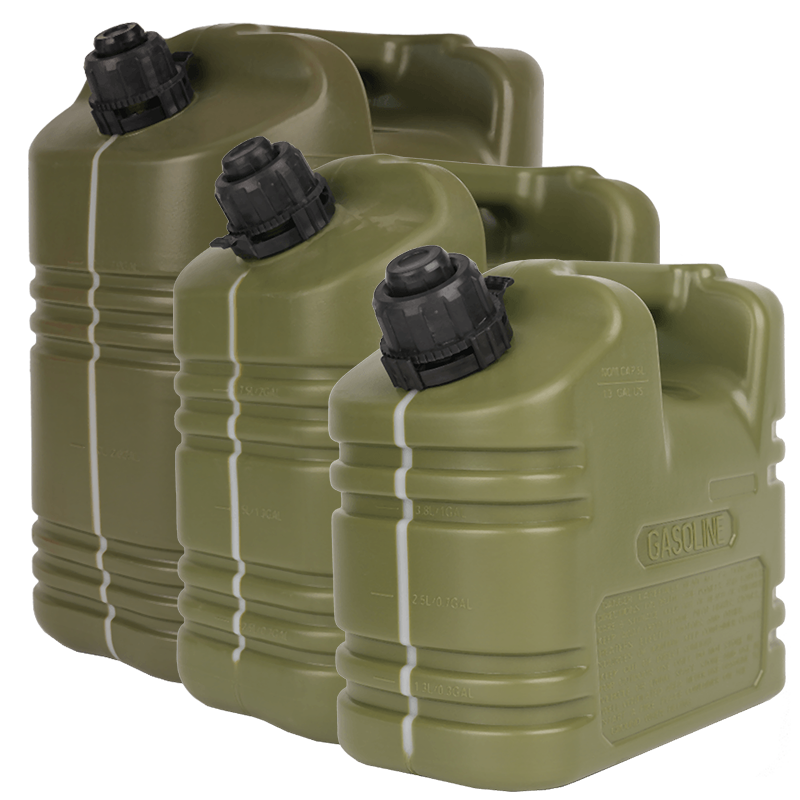
5L/10L/20L Plastic oil barrel with child lock
Yangzhou Qionghua
Tools Co., Ltd.
Founded in 1993, Our company is a China Oil Jerry Can Manufacturers and Oil Barrel Factory. Yangzhou Qionghua Tools Co.,Ltd is one of the leading manufacturers of lubricating, automotive and hand tools in China.
With more than 30000 square meters workshop, our factory can meet the capacity of our customers worldwide and has been the supplier for big European chain stores and industrial companies for about 30 years.
Our high quality service and low price are highly appreciated by most of our customers.
Oil Barrel Industry knowledge
What types of oils are suitable for storage in oil barrels?
Oil barrels, as a common industrial and commercial storage container, are widely used for the storage and transportation of various types of oils due to their stable structure, good sealing performance, and strong adaptability. Based on the physical properties, chemical stability, and industry application scenarios of the oils, the scope of application of oil barrels mainly covers the following major categories:
Firstly, in the industrial oils sector, oil barrels are one of the most common storage methods. This includes lubricating oils, hydraulic oils, engine oils, gear oils, transformer oils, heat transfer oils, etc. These oils typically have high viscosity, long service life, and require high stability from the storage container. Steel oil barrels or high-density polyethylene (HDPE) oil barrels perform well in terms of pressure resistance, impact resistance, and leak prevention, and can maintain the quality of the oil without significant changes during long-term storage. Therefore, they are widely used in manufacturing, mechanical equipment maintenance, and the energy industry.
Secondly, there are fuel oils and energy-related oils. Such as diesel fuel, kerosene, heavy oil, and biofuels. These oils usually have a certain degree of volatility or flammability, requiring high demands on the sealing performance and safety design of the oil barrels. Oil barrels used to store these types of oils usually need to have good airtightness, leak-proof structures, and comply with relevant hazardous materials storage and transportation standards. In logistics, ports, and energy supply chains, standardized oil barrels can effectively reduce safety risks during transportation and storage.
The third category is food-grade oils. This includes various vegetable oils (such as soybean oil, rapeseed oil, palm oil, sunflower oil), animal fats, and oils used in food processing. These oils have extremely high requirements for hygiene and safety, and can only be stored in oil barrels that meet food contact standards, such as food-grade HDPE plastic barrels, or steel oil barrels with food-grade coatings on the inner wall. At the same time, these oil barrels must be odorless, free from harmful substance migration, and comply with FDA, LFGB, or relevant food safety regulations.
Oil barrels can also be used to store some chemical and special-purpose oils, such as synthetic oils, rust-preventive oils, and antifreeze oils. The chemical stability of these oils varies considerably, so it is necessary to confirm the compatibility of the oil with the barrel material before use. For oils with certain corrosive properties or special additives, custom-lined or specially coated oil barrels are usually required to ensure safe use.
Is the Oil Barrel Suitable for Long-Term Oil Storage?
In practical applications, many customers are very concerned about whether oil barrels can meet the needs of medium-term or even long-term oil storage. Overall, with proper selection, correct usage, and suitable storage environment, oil barrels are a very reliable container for long-term oil storage.
From a material perspective, different materials of oil barrels have their own advantages in long-term storage. Steel oil drums have high strength and strong resistance to external impact, making them suitable for storing industrial oils such as lubricating oil and fuel oil. If the inner wall of the drum is treated with an anti-rust coating or special treatment, it can effectively prevent direct contact between the metal and the oil, thereby reducing the risk of oxidation and contamination. HDPE plastic oil drums have good corrosion resistance and chemical stability, are not prone to rust, and are particularly suitable for oils requiring high purity.
Sealing performance is a key factor affecting the effectiveness of long-term storage. High-quality oil barrels are usually equipped with oil-resistant sealing rings and a precision lid structure, which can effectively isolate air, moisture, and external pollutants, thus slowing down oil oxidation, deterioration, or volatilization. Compared with containers that are frequently opened, closed-type oil barrels have a significant advantage in long-term storage.
Storage environmental conditions are also crucial. Even high-quality oil barrels need to be used in a suitable environment. When storing oil for a long time, high temperatures, direct sunlight, and humid environments should be avoided. High temperatures can accelerate oil aging, and excessive humidity may affect the drum structure or sealing performance. A stable, dry, and well-ventilated storage environment can significantly extend the service life of both the oil and the oil barrel.
Long-term storage also requires regular inspection and management. This includes checking the drum for deformation, rust, cracks, and whether the sealing ring is aging. For corporate users, establishing a regular inspection and batch management system for oil barrels helps ensure safety and controllability during long-term storage.
How to Clean and Maintain Oil Barrels After Use?
Correct and standardized cleaning and maintenance procedures are key to ensuring the long-term safe use of oil barrels, maintaining oil quality, and reducing overall operating costs. As a manufacturing company established in 1993, with over thirty years of experience in the lubrication and automotive tools field, Yangzhou Qionghua Tools Co., Ltd. has accumulated extensive practical experience in the use, maintenance, and management of oil barrels through its long-term service to global customers. This experience is integrated into our product design and quality control.
Regarding basic cleaning procedures after use, it is recommended to process the oil barrel immediately after emptying to prevent oil residue from forming deposits or oxidizing on the barrel walls. Initial cleaning usually involves rinsing with warm water or a special cleaning solution to remove most of the attached oil stains. For common oils such as industrial lubricants and automotive oils, a neutral or weakly alkaline cleaning agent can be used for deep cleaning; for food-grade or high-cleanliness applications, cleaning agents that meet food safety standards must be used. Yangzhou Qionghua Tools Co., Ltd., in its long-term supply to large European chain supermarkets and industrial customers, has always strictly adhered to the high standards of hygiene and safety required by the international market, ensuring that products maintain stable performance even under repeated use.
Regarding cleaning precautions, the use of strong acids, strong alkalis, or highly corrosive solvents should be avoided, as these substances may damage the barrel material or inner coating, affecting its sealing and structural integrity. Similarly, it is not recommended to use steel brushes or sharp tools to clean the inner wall to prevent scratches. For steel oil barrels, the integrity of the inner coating is particularly important; for HDPE plastic oil barrels, surface damage may reduce their leak resistance. Based on manufacturing experience in our modern production workshop of over 30,000 square meters, Yangzhou Qionghua Tools Co., Ltd. fully considers the maintainability of oil barrels in its design, making the products easier to clean and more durable for repeated use.
After cleaning, thorough drying is a crucial step in the maintenance process. Residual moisture inside the barrel can lead to oil deterioration or cause internal corrosion in steel oil barrels. It is recommended to use natural ventilation drying or hot air drying to ensure that the inside is completely dry before sealing and storing. For oil barrels that are exported or transported across regions for extended periods, good drying and sealing management are particularly important. In terms of daily inspection and maintenance management, it is recommended to regularly check the barrel body for deformation, cracks, or corrosion, and to pay attention to the elasticity and integrity of the lid and sealing ring. Seals are consumable parts and should be replaced promptly if they become aged. For industrial customers, establishing oil barrel usage records and a regular inspection system helps improve overall safety and operational efficiency. Yangzhou Qionghua Tools Co., Ltd., drawing on nearly 30 years of experience serving international customers, not only provides stable and reliable products but also offers practical usage and maintenance advice to help customers extend the lifespan of their oil barrels.

+86-13912130779
Visit Our LocationYanjiang Development Zone, Yangzhou City, JiangSu, China
 OUR Product
USEFUL LINKS
USEFUL LINKS
OUR Product
USEFUL LINKS
USEFUL LINKS

