English
 中文简体


A standard barrel of crude oil contains 42 U.S. gallons. After refining, the average U.S. refinery turns that barrel into roughly 19 to 20 gallons of finished motor gasoline, along with diesel, jet fuel, propane, asphalt, and petrochemical feedstocks. The rest of the barrel is not waste; it is simply the rest of the product slate. The exact gasoline figure can move from the high teens to the low twenties, and in unusual refinery configurations or crude slates it can fall outside that band. Buyers who need a planning number should use 19 to 20 gallons for U.S. gasoline-oriented refining and treat 42 gallons as the input measure, not the gasoline output.
The question “how many gallons of gas in a barrel of crude” sounds like a simple conversion, but it is really a question about refinery yield. A barrel is a unit of volume for the raw material. Gasoline is one finished product among several, and its share depends on the crude oil, the refinery, the season, and the market the refinery is serving. That distinction matters for planners, buyers, maintenance teams, and anyone comparing fuel costs with storage capacity.
The Short Answer: 42 Gallons In, About 19 to 20 Gallons Out
The short answer for the United States is this: one 42-gallon barrel of crude oil produces about 19 to 20 gallons of finished motor gasoline. That is roughly 45% to 48% of the barrel by volume. A typical U.S. refinery also produces about 11 to 12 gallons of distillate fuel, which includes diesel and heating oil, about 4 to 5 gallons of jet fuel, and smaller volumes of liquefied petroleum gases, residual fuel, asphalt, lubricants, and petrochemical feedstocks.
This is an average, not a rule. A refinery built to maximize gasoline in a market with strong gasoline demand will push the gasoline share higher. A refinery serving a diesel-heavy market may deliberately produce less gasoline and more middle distillates. A simple refinery with limited conversion capacity may produce less gasoline and more heavy fuel oil. A complex refinery with fluid catalytic cracking, hydrocracking, reforming, and alkylation can convert more of the barrel into high-value light products.
It also helps to separate the vocabulary. In U.S. usage, “gas” in this context means gasoline, or petrol. It does not mean natural gas. Natural gas is measured in cubic feet, cubic meters, or thermal units, not in barrels of crude. A barrel of crude is a liquid volume measure. One barrel equals 42 U.S. gallons, or about 159 liters. The 42-gallon figure is the standard oil barrel used in the petroleum industry, not the size of a physical drum sitting in a workshop.
Why a Barrel of Crude Does Not Equal a Barrel of Gasoline
Crude oil is a mixture. It contains hydrocarbon molecules with different boiling points, different densities, and different amounts of sulfur, nitrogen, metals, and wax. Refining separates those molecules and then changes some of them into more valuable products. The first step is usually distillation, which splits the barrel into fractions such as refinery gas, naphtha, gasoline blend components, kerosene and jet fuel, diesel, gas oil, and residue.
Distillation alone does not make enough gasoline to meet modern demand. Refiners therefore add conversion units. Fluid catalytic cracking takes heavier gas oil and breaks it into lighter molecules that can go into gasoline. Hydrocracking uses hydrogen and pressure to convert heavy streams into naphtha and distillate. Reforming rearranges low-octane naphtha molecules into higher-octane components. Alkylation combines light gases into high-octane gasoline blendstock. Hydrotreating removes sulfur and other impurities so the final products meet fuel specifications.
The result is a product slate, not a single output. The same crude oil can be run in different refineries and produce different yields. One refinery may send more molecules to gasoline; another may send them to diesel or jet fuel. The refinery’s configuration, the crude’s composition, the season, and the price spread between products all influence the final balance. That is why a precise answer to “how many gallons of gas in a barrel of crude” always comes with a qualifier: it depends on the barrel and the refinery.
Reading a Refinery Yield Table
The table below gives a practical planning view for a U.S. gasoline-oriented refinery. It is not a laboratory recipe. It is a range that shows how the 42 gallons in a barrel are typically divided among major product groups. The numbers will move with crude quality, refinery hardware, operating targets, and product specifications.
| Product group | Typical gallons per barrel | Approximate share | Notes |
|---|---|---|---|
| Finished motor gasoline | 19 to 20 | 45% to 48% | Includes gasoline blend components; finished pump gasoline may also contain ethanol and butane. |
| Distillate fuel | 11 to 12 | 26% to 29% | Diesel, heating oil, and related middle distillates. |
| Jet fuel | 4 to 5 | 9% to 12% | Kerosene-type jet fuel; volume depends on aviation demand and crude selection. |
| Other products | 7 to 9 | 16% to 21% | LPG, residual fuel, asphalt, lubricants, petrochemical feedstocks, and refinery fuel. |
Read the table from left to right, then from top to bottom. The gasoline row is not a promise that every barrel gives exactly 19.5 gallons. It is a central planning range. A refinery running light, low-sulfur crude with strong gasoline demand may exceed the upper end. A refinery running heavy, high-sulfur crude with limited conversion capacity may fall below it. A refinery maximizing diesel may intentionally reduce the gasoline share.
What Changes the Gasoline Yield?
Crude Quality and Crude Assay
Crude quality is the first lever. Light crude oils contain a larger share of low-boiling molecules that can become naphtha and gasoline. Heavy crude oils contain more large molecules that tend to become residual fuel, asphalt, or heavy gas oil unless the refinery has conversion capacity. Sweet crude has low sulfur; sour crude has higher sulfur and requires more treating. A refinery’s crude diet is therefore a commercial and technical choice, not a random input.
Two crudes with the same API gravity can still behave differently. The molecular structure matters. Some crudes are paraffinic, some are naphthenic, and some are asphaltic. Those differences affect distillation cuts, octane quality, hydrogen demand, and the amount of valuable light product a refinery can recover. A crude assay is the refinery’s map of the barrel, and it is more useful than a single gravity number.
Refinery Configuration
Refinery configuration is the second lever. A topping refinery with only distillation and minimal treating will produce a limited gasoline yield. A cracking refinery can convert more heavy oil into lighter products. A deep-conversion refinery with hydrocracking, coking, and advanced treating can process heavier, cheaper crude and still produce a high-value slate. The capital invested in conversion units changes the yield range for the same barrel of crude.
Unit reliability also matters. If a reformer, alkylation unit, or catalytic cracker is down for maintenance, the refinery must adjust its product slate. It may run lower throughput, change crude diet, or buy blend components. The annual average yield is therefore a statistical outcome of many operating days, not a fixed property of the oil itself.
Product Demand and Seasonal Specifications
Gasoline is a specification product. Summer gasoline has stricter vapor pressure limits in many markets, which affects how much butane and other light components can be blended. Winter gasoline can absorb more volatile components. Octane requirements, sulfur limits, benzene limits, and regional fuel rules all shape the blend. A refinery may produce the same volume of gasoline blend components but blend them differently across the year.
Market prices also guide the split. When gasoline earns a strong premium over diesel, refineries try to maximize gasoline. When distillate is strong, they may shift toward diesel and jet fuel. This is not a simple switch, because the units have limits, but the operating target moves with the product spread. The physical barrel does not change; the economic destination of its molecules does.
Processing Gain and Volume Balance
Refining also involves a volume effect. Cracking large molecules into smaller ones can reduce density, so the total liquid volume out of a refinery can be slightly higher than the crude volume in. Mass is conserved, but volume is not perfectly conserved. This processing gain is one reason a refinery’s product slate may add up to slightly more than 42 gallons per barrel. For planning, it is safer to use yield percentages and site-specific data than to assume a one-to-one volume conversion.
Regional Differences: U.S. Gasoline Versus European Diesel
The United States is a gasoline-heavy market. Passenger cars and light trucks consume large volumes of gasoline, so U.S. refineries are configured and operated to produce a high gasoline share. Europe is more diesel-oriented because diesel passenger cars and commercial vehicles have a larger share of the fleet. European refineries often maximize middle distillates and produce less gasoline per barrel. The same crude oil can therefore yield a different gasoline number depending on where it is refined and what market the refinery serves.
Asia adds another pattern. Some Asian refineries are integrated with petrochemical complexes and produce more naphtha for plastics and chemicals. Others maximize jet fuel for aviation demand. The Middle East may produce more residual fuel, diesel, and jet fuel depending on export markets and crude quality. There is no single global gasoline yield. The question “how many gallons of gas in a barrel of crude” is best answered with a country or refinery context.
This regional variation has practical consequences. A buyer comparing fuel prices, storage capacity, or supply contracts should not assume that a barrel of crude in one region has the same gasoline value as a barrel in another. Product specifications, refinery hardware, and local demand all change the outcome. The 42-gallon input is universal; the 19-to-20-gallon U.S. gasoline output is a regional benchmark.
Finished Gasoline Includes More Than Refinery Gasoline
A gallon of finished motor gasoline at the pump is a blend. It contains refinery-derived components such as reformate, alkylate, catalytic cracked gasoline, isomerate, and light naphtha. It may also contain butane, oxygenates, detergents, and in many markets ethanol. In the United States, E10 gasoline contains up to 10% ethanol by volume. That ethanol adds volume and octane, but it does not come from the crude barrel in the same way as refinery gasoline components.
This is an important distinction when interpreting yield figures. A refinery’s gasoline blend component yield may be about 19 to 20 gallons per barrel, while the finished retail gallon may include ethanol and other blendstocks. If the question is strictly “how much gasoline hydrocarbon comes from the crude,” the answer is slightly lower than the total finished gasoline volume. If the question is “how much finished motor gasoline is available to the market per barrel,” blending can raise the volume.
Measurement conditions matter as well. Petroleum volumes are often corrected to a standard temperature because liquids expand and contract with heat. A gallon in a hot tank is not the same mass as a gallon in a cold tank. Commercial documents may use gross volume, net volume, or standard volume. For high-value transactions, the difference can be material. The same discipline applies to lubricants and maintenance fluids: capacity, viscosity, and temperature affect how a product behaves in storage and transfer.
From Barrel to Pump: Storage, Transfer, and Maintenance
The barrel is a unit of account, but the work of handling petroleum and lubricants happens in tanks, drums, pumps, and dispensing equipment. A refinery stores crude and products in large tanks, but maintenance teams, fleet workshops, and industrial plants handle smaller volumes in drums, portable containers, pumps, and grease guns. The equipment must match the fluid, the viscosity, the required flow rate, and the cleanliness standard.
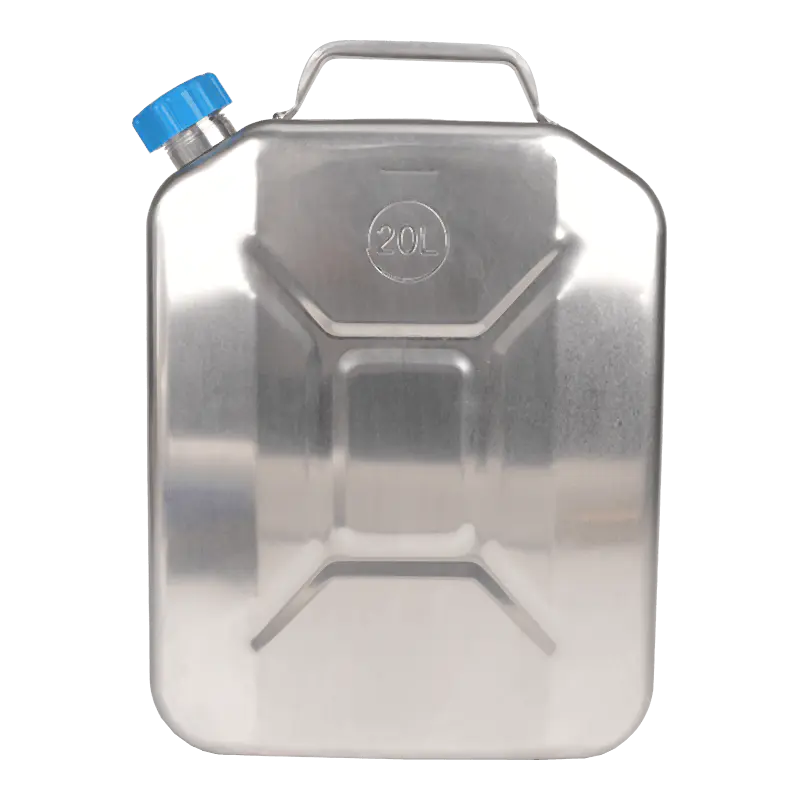
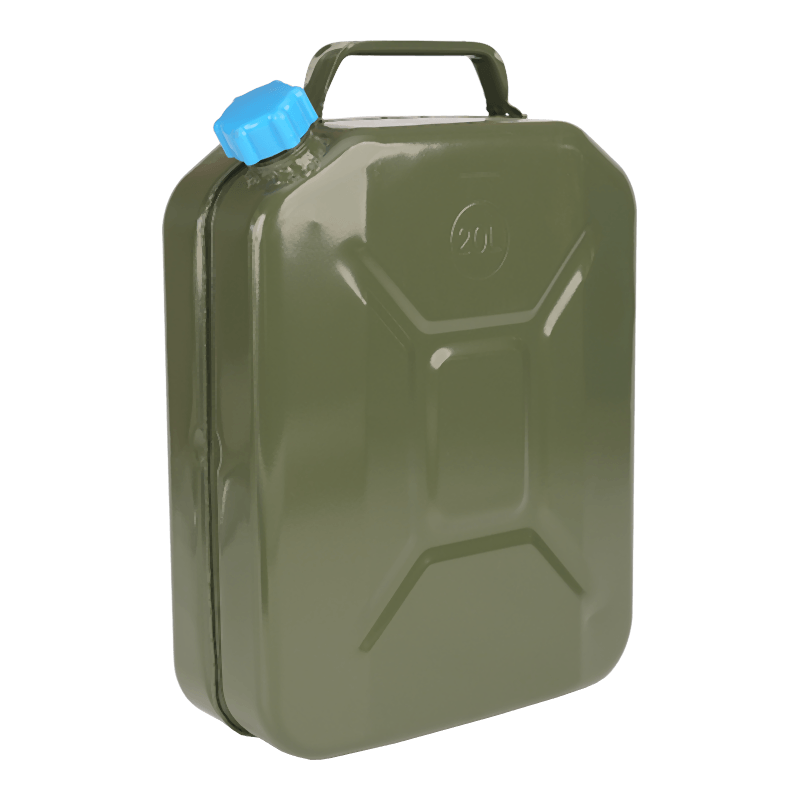
For industrial buyers, storage containers are not interchangeable. A metal oil barrel may suit a workshop that needs a rigid, reusable container for lubricating oil. A plastic container may be lighter and easier to move. A vertical metal oil barrel offers a stable footprint and is easier to organize in a fixed storage area. The choice depends on the fluid, the environment, and the handling routine. More detail on industrial oil barrel design and selection is available in this industrial oil barrel guide.
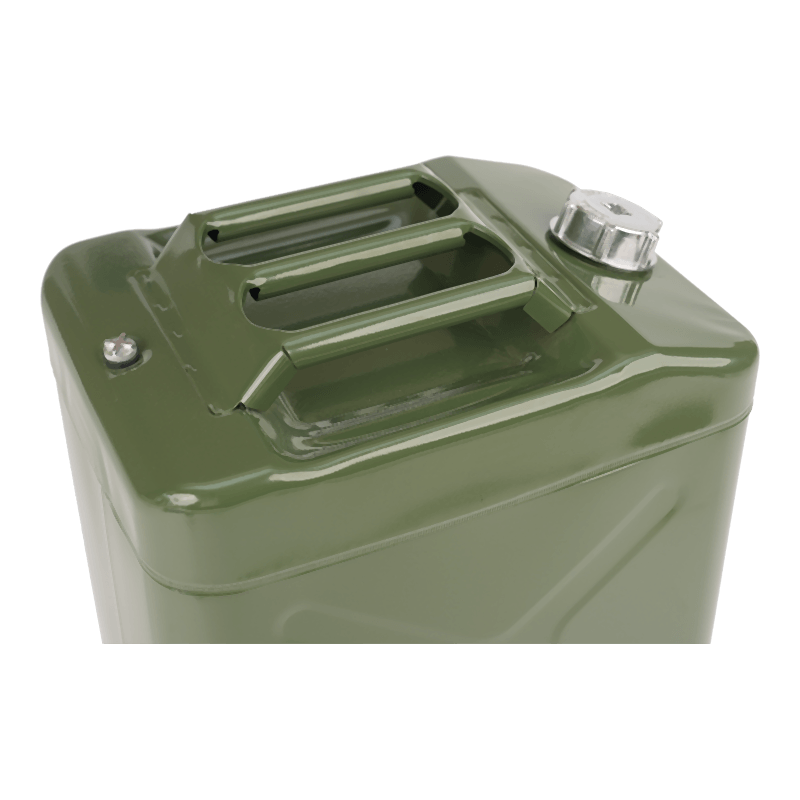 Vertical Metal Oil Barrel for Lubricating Oil StorageA rigid, reusable vertical oil barrel in 5–40L capacities, with a three-bar handle, larger outlet, guide pipe, and exhaust hole for safer handling and pouring.View Product →
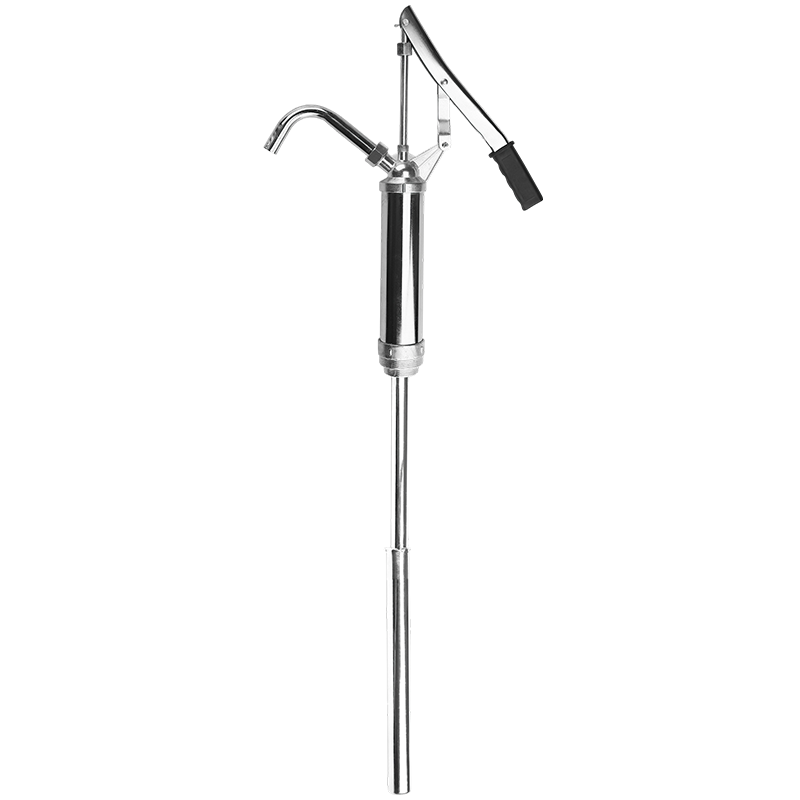
Transfer equipment deserves the same attention. A manual oil pump can move oil from a drum or barrel into a smaller container without lifting the full weight. The pump’s seals must be compatible with the fluid, and the hose length must reach the work area without creating a trip hazard. For a 25 kg container or a larger drum, a manual pump with a hose can be a practical choice for workshops that do not need continuous high-speed transfer.
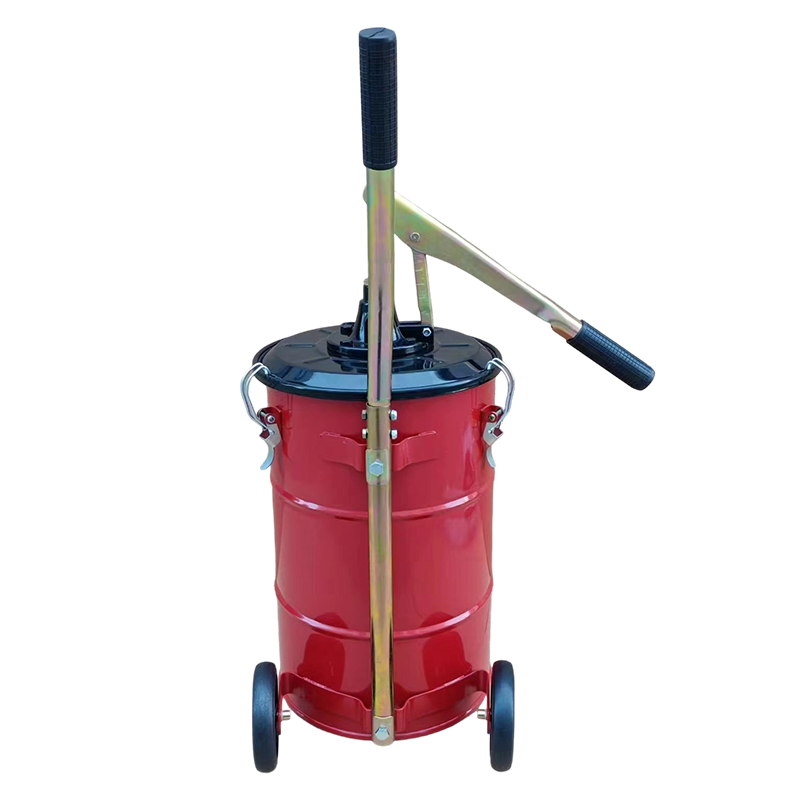 25kg Manual Oil Pump with HoseA 25kg manual pump with hose for moving grease or oil from drums or containers, suited to workshops that do not need continuous high-speed transfer.View Product →
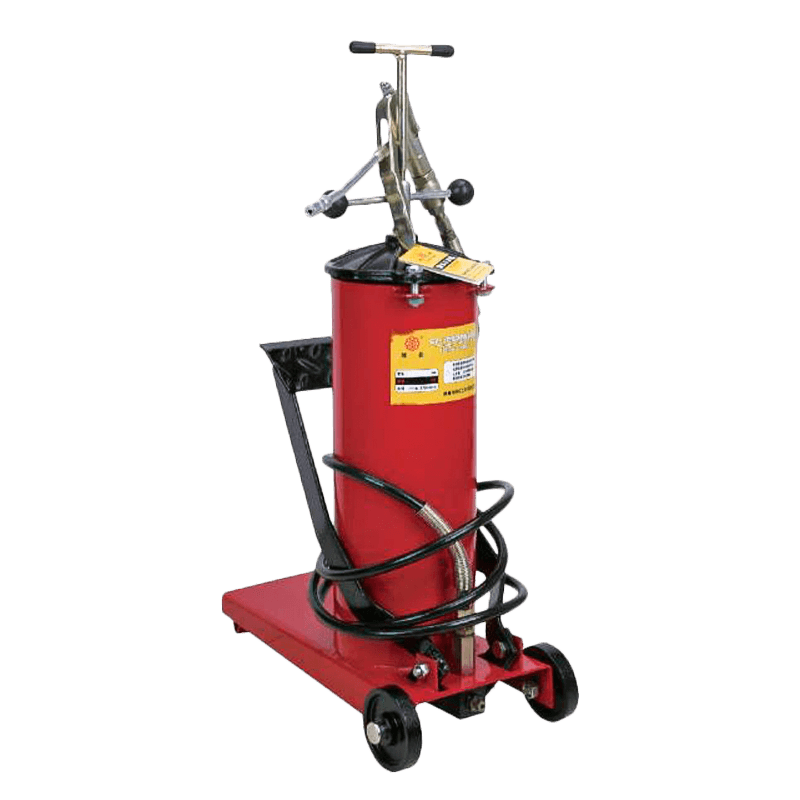
Maintenance of rotating equipment is another part of the chain. Pumps, motors, bearings, and workshop lifts need grease at the right interval and in the right quantity. A grease dispenser that matches the workshop’s power source and volume requirement can reduce manual effort and improve consistency. Electric units are useful where compressed air is unavailable and where a fixed station handles repeated greasing tasks. The key is to match capacity, pressure, and hose length to the actual maintenance schedule.
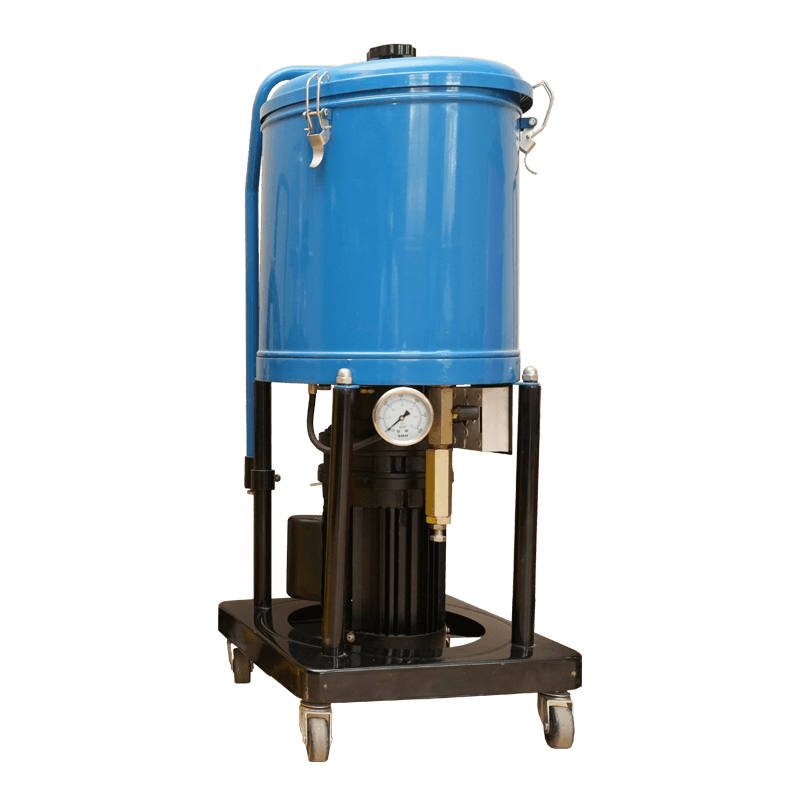 25L 1.1KW Electric Grease DispenserAn electric grease injector with 4-meter pipe, 0.5L/min delivery, 20–30MPa pressure, and dual 220V/380V input for consistent lubrication of industrial equipment.View Product →
These downstream tools do not change the refinery yield of a crude barrel, but they do reflect the same operating principle: specify the equipment for the fluid and the task. A barrel of crude is a raw material with a variable product slate. A drum of lubricant is a finished product with a defined specification. Both require attention to volume, temperature, contamination control, and safe transfer.
How Traders and Buyers Use the Number
In commercial planning, the gasoline yield is used to estimate product value, crack spreads, and supply balances. A simple crack spread compares the price of crude oil with the price of gasoline and distillate. A 3-2-1 crack spread, for example, uses three barrels of crude to produce two barrels of gasoline and one barrel of distillate. The calculation is a simplification, but it helps traders and refiners discuss margin. The actual yield depends on the refinery and the crude, so the spread is a market reference rather than a physical guarantee.
For industrial buyers, the practical lesson is to avoid buying or planning on a one-to-one assumption. If a project needs a certain volume of gasoline, the crude input requirement will be larger than the gasoline output. If a storage facility is sized for a given number of barrels of crude, the gasoline storage and loading capacity must be sized separately. If a maintenance team is specifying drums, pumps, and dispensers, the fluid volume and transfer rate should be checked against the equipment rating.
A useful procurement checklist includes the following items:
- Confirm whether the volume is crude input, refinery output, or finished blended product.
- Check the units: U.S. gallons, imperial gallons, liters, barrels, or cubic meters.
- Ask for the crude assay or product specification, not just a single yield number.
- Verify the reference temperature and whether the volume is gross or net.
- Confirm the intended use: gasoline blending, diesel, jet fuel, lubricant storage, or maintenance.
- Match pump, hose, seal, and container materials to the fluid and the operating environment.
- Allow for seasonal specifications, blending components, and regional fuel rules.
These checks prevent a common error: treating an average yield as a contractual guarantee. Refinery yields are technical estimates with ranges. A supplier may achieve a different result because of crude selection, unit availability, or product demand. A buyer who understands the range can negotiate clearer specifications and avoid disputes over volume.
Common Misunderstandings and Practical Checks
One common misunderstanding is that a 42-gallon barrel of crude contains 42 gallons of gasoline. It does not. The barrel contains a mixture that must be separated and converted. Gasoline is one product, and its share is typically less than half of the barrel in the United States. Another misunderstanding is that “gas” means natural gas. In this context, it means gasoline. Natural gas is a different product with different measurement units and a different supply chain.
A third misunderstanding is that refinery yield is fixed. It is not. Crude quality, refinery configuration, maintenance status, seasonal fuel specifications, and market prices all move the yield. A refinery may produce more gasoline in one season and more distillate in another. A refiner may change crude diet to improve margin. The annual average is a useful benchmark, but it is not a property of the barrel itself.
A fourth misunderstanding is that all gallons are equal. A gallon of finished gasoline may include ethanol, butane, and other blend components. A gallon of crude is a raw material volume. A gallon of lubricant is a finished product with a viscosity grade and performance specification. The measurement unit is the same, but the product behind it is not. That is why technical buyers compare specifications, tolerances, and test methods rather than volume alone.
Finally, the physical drum and the commercial barrel are different things. A 42-gallon oil barrel is a standard unit of account. A workshop drum may hold 5, 10, 20, or 25 liters, or another convenient size. A 55-gallon drum is a common industrial container, but it is not the same as the 42-gallon oil barrel used in petroleum statistics. Clear units prevent costly mistakes in storage, shipping, and maintenance planning.
The Practical Takeaway
The practical answer to “how many gallons of gas in a barrel of crude” is about 19 to 20 gallons of finished motor gasoline per 42-gallon barrel in a typical U.S. refinery. That is a planning range, not a fixed conversion. The rest of the barrel becomes diesel, jet fuel, LPG, asphalt, petrochemical feedstocks, and other products. Crude quality and refinery configuration are the main reasons the number moves. Regional demand and seasonal fuel specifications explain why the same barrel can produce a different gasoline share in different markets.
For anyone working downstream, the number is a reminder that petroleum products are specified, measured, stored, and transferred with care. A refinery balances molecules and economics. A workshop balances container capacity, pump performance, and maintenance intervals. Both sides of the chain depend on clear units, realistic tolerances, and equipment matched to the fluid. Used that way, the 42-gallon barrel and the 19-to-20-gallon gasoline yield become useful planning tools rather than misleading shortcuts.