English
 中文简体
中文简体

Here is the short answer: In the United States, a typical 42-gallon barrel of crude oil yields about 19 to 20 gallons of gasoline after refining. But that single number hides a lot of variation. Depending on the crude oil, the refinery, and the season, the gasoline yield can range from roughly 15 to 25 gallons per barrel. The rest of the barrel becomes diesel, jet fuel, heating oil, lubricants, asphalt, and a long list of other petroleum products. So if you are trying to calculate fuel output for a fleet, a storage project, or a purchasing decision, you need to understand what drives that range.
The Short Answer: About 19 to 20 Gallons of Gasoline per Barrel
In the United States, the Energy Information Administration (EIA) and most refiners use a standard 42-U.S.-gallon barrel. When that barrel is refined, the total volume of finished products actually increases because the refining process adds hydrogen, oxygenates, and other blend components. The total output is often around 45 gallons or more. Gasoline typically makes up about 40% to 45% of that output, which translates to 19 to 20 gallons. Diesel and heating oil come next, usually 11 to 13 gallons. Jet fuel, liquefied petroleum gases, heavy fuel oil, asphalt, lubricants, and petrochemical feedstocks account for the remainder.
It is important to remember that these are averages. A refinery optimized for maximum gasoline production can push the yield higher, while a refinery focused on diesel, jet fuel, or asphalt will produce less gasoline per barrel. The crude oil itself matters too. Light, sweet crude is easier to refine into gasoline than heavy, sour crude.
What a 42-Gallon Barrel Actually Contains
To make the numbers concrete, here is a typical product slate from a U.S. refinery processing a mix of domestic and imported crude oils. The figures are approximate and vary by refinery and season.
| Product | Typical Volume (gallons) | Share of Barrel |
|---|---|---|
| Gasoline | 19–20 | 45–48% |
| Diesel and heating oil | 11–13 | 26–31% |
| Jet fuel | 4–5 | 10–12% |
| Liquefied petroleum gases | 2–3 | 5–7% |
| Heavy fuel oil and asphalt | 2–4 | 5–10% |
| Lubricants and other products | 1–2 | 2–5% |
Note that the total exceeds 42 gallons because the refining process increases liquid volume. The exact split depends on the crude slate and the refinery's configuration. In Europe, where diesel demand is higher, gasoline often accounts for only 15 to 18 gallons per barrel, while diesel takes a larger share. In Asia, the mix varies by country and season.
Why the Gasoline Yield Is Not a Fixed Number
If you need to estimate gasoline production for a specific project, you cannot rely on a single national average. Several factors shift the yield up or down.
Crude Oil Quality Matters
Crude oils are classified by density (light to heavy) and sulfur content (sweet to sour). Light, sweet crude such as West Texas Intermediate yields more gasoline and diesel with less processing. Heavy, sour crude requires more complex upgrading and produces a lower share of gasoline unless the refinery has expensive conversion units like hydrocrackers and cokers. A refinery running heavy Canadian crude will have a different product slate than one running light Nigerian crude.
Refinery Configuration and Technology
Refineries are not built to a single template. A simple refinery with only distillation and reforming produces mostly gasoline and naphtha. A complex refinery with fluid catalytic cracking (FCC), hydrocracking, and alkylation can convert more of the heavy ends into gasoline. The U.S. Gulf Coast has many complex refineries that maximize gasoline output. In contrast, refineries in the Midwest or Europe may be configured for diesel or jet fuel. When a refinery changes its operating mode, the gasoline yield can change by several percentage points within weeks.
Seasonal and Regional Demand
Gasoline demand peaks in summer, while heating oil and diesel demand peaks in winter. Refiners adjust their operations to meet market needs. In the United States, summer-grade gasoline has different volatility requirements, which affects blending but not the crude-to-gasoline conversion rate as much as the refinery's cut points. Regionally, the U.S. typically produces more gasoline per barrel than Europe or Asia because of its large gasoline vehicle fleet and export patterns.
From Crude Oil to Your Gas Tank: Storage and Handling Matter
Once gasoline is produced, it must be stored, transported, and dispensed. This is where the physical equipment—barrels, drums, pumps, and grease guns—becomes part of the supply chain. A 42-gallon barrel is the standard unit for crude oil trading, but the actual containers used at refineries, terminals, and maintenance shops come in many sizes. Steel drums, plastic barrels, and aluminum containers are common for storing lubricants, fuel additives, and other petroleum products.
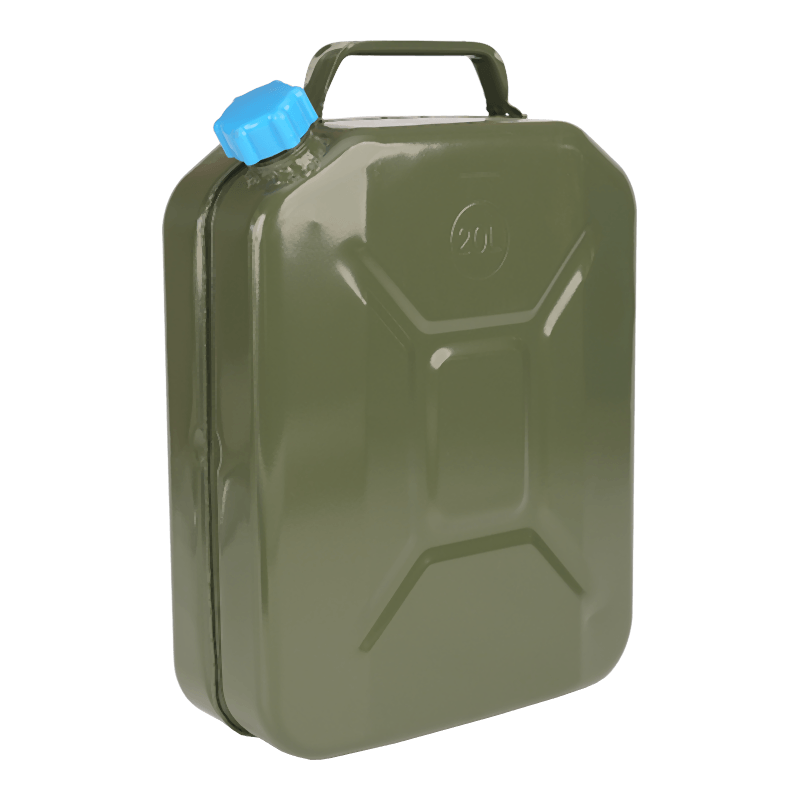
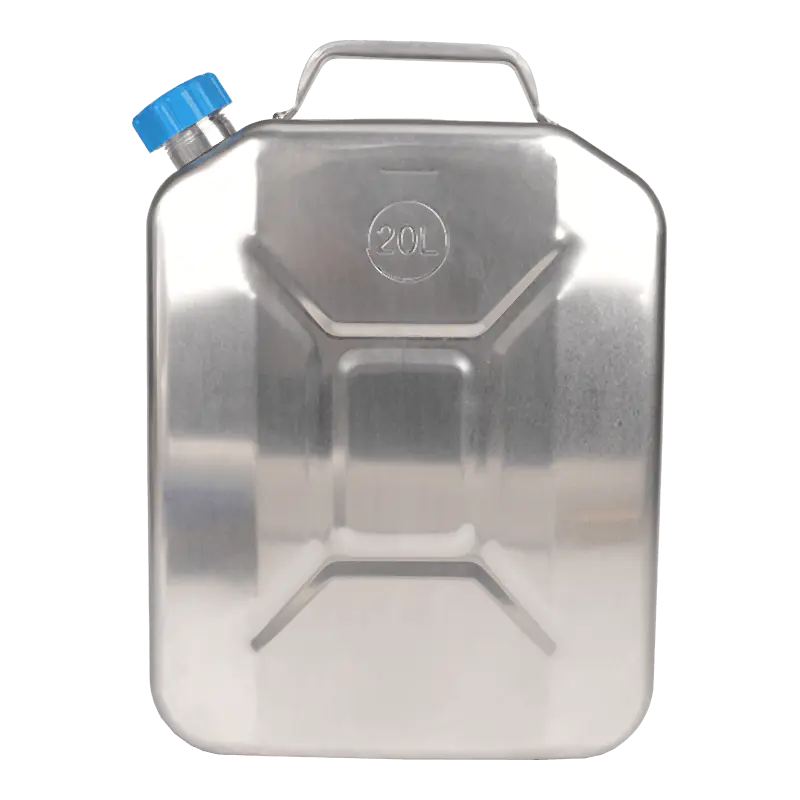
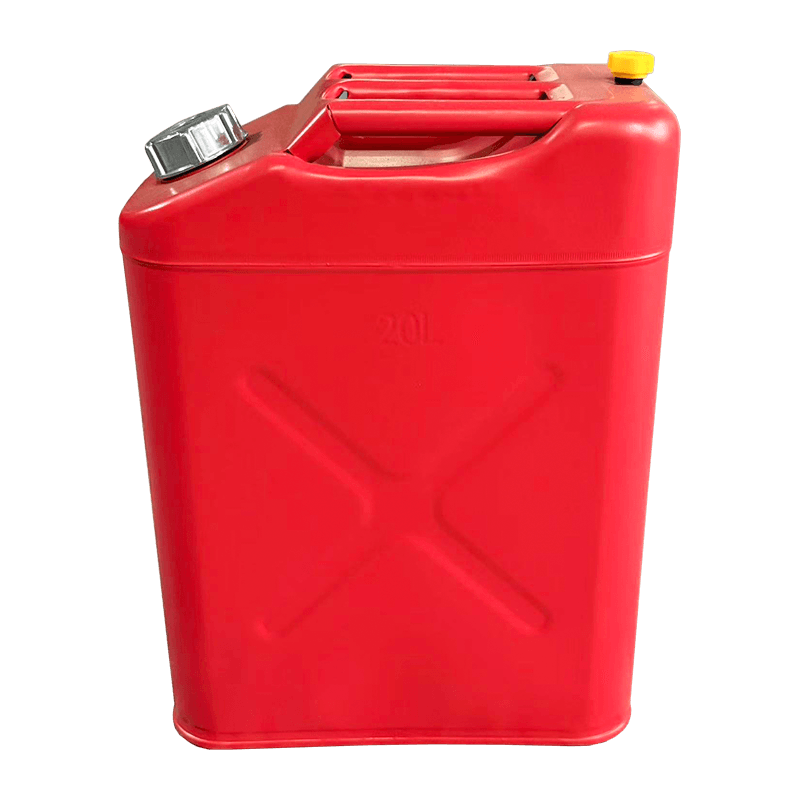
For example, a maintenance crew that services a fleet of vehicles needs reliable ways to transfer oil and grease from bulk containers to individual machines. A vertical metal oil barrel with a rotary pump can turn a 55-gallon drum into a dispensing station. A comprehensive guide to industrial oil barrels explains how different materials and coatings affect durability and compatibility with various fluids. Choosing the right barrel and pump reduces spillage and contamination, which is especially important when handling gasoline or volatile solvents.
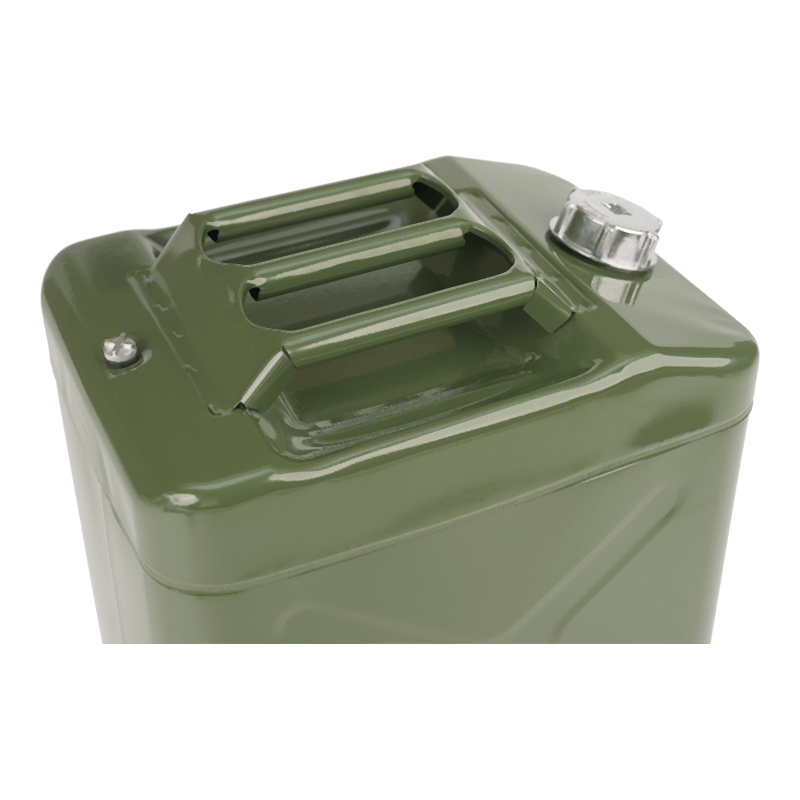 Vertical Metal Oil Barrel Range in 5L to 40L CapacitiesVertical metal oil barrel in 5L–40L sizes with three-bar handle, larger outlet, guide pipe, and upgraded exhaust for safer, cleaner pouring.View Product →
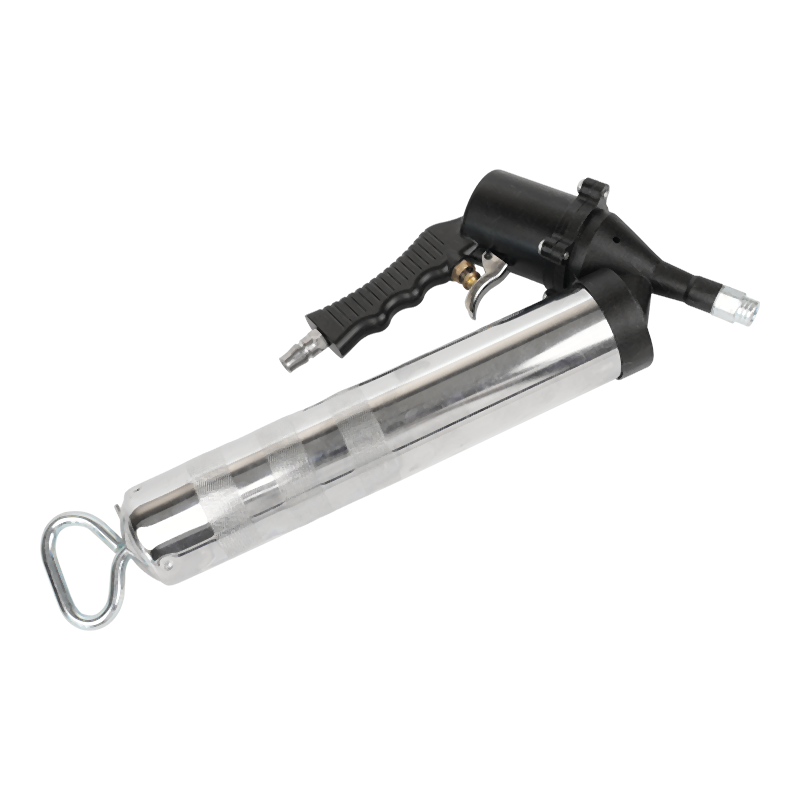
In workshops and industrial settings, the same logic applies to lubrication tools. A hand-operated grease gun or a pneumatic grease injector ensures that the right amount of grease reaches bearings without over- or under-lubrication. The barrel-to-gasoline yield question is ultimately about refining economics, but the equipment that handles the finished products is just as critical for safe and efficient operations.
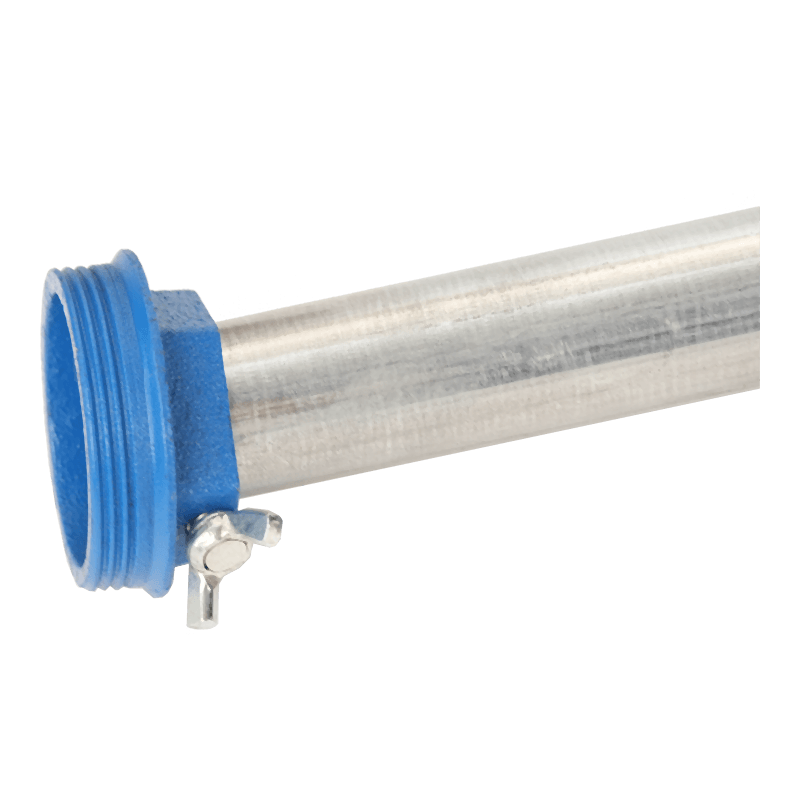 Cast Iron Hand-Cranked Rotary Pump for Barrel Oil TransferHand-cranked cast iron pump for transferring gasoline, diesel, engine oil, hydraulic oil, kerosene, edible oil from barrels, with strong sealing and a barrel fixing buckle.View Product →
How to Estimate Gasoline Output for a Specific Barrel
If you are working on a project or a report, you can estimate gasoline output using a few data points. First, identify the crude oil type. Light, sweet crude typically yields 20–22 gallons of gasoline per barrel in a complex U.S. refinery. Heavy, sour crude might yield 15–18 gallons. Second, check the refinery's configuration. Refineries with high FCC and reforming capacity produce more gasoline. Third, consider the season. Summer blends may require more butane and other blendstocks, which can slightly increase the total liquid volume but not necessarily the gasoline share.
A simple formula is: Gasoline yield (gallons) = Barrel volume (42 gallons) × Gasoline share (%). For U.S. refineries, use 45–48%. For European refineries, use 35–40%. For a quick estimate, 42 × 0.45 = 18.9 gallons. That rounds to about 19 gallons. Always state the assumptions, because the range is wide enough to affect fuel budgets and supply planning.
Common Misconceptions About Barrel-to-Gasoline Yield
One common misconception is that a barrel of oil produces exactly 42 gallons of gasoline. That is impossible because gasoline is only one fraction of the barrel, and the total refined products actually exceed 42 gallons. Another misconception is that the ratio is fixed worldwide. In reality, the ratio depends on market demand, refinery design, and crude quality. Some people also confuse crude oil barrels with the 55-gallon steel drums used for storage. A crude oil barrel is a unit of volume (42 U.S. gallons), while a steel drum holds about 55 U.S. gallons. The two are different, and mixing them up can lead to significant estimation errors.
Finally, do not assume that more gasoline always means better economics. Refiners balance gasoline, diesel, jet fuel, and petrochemical feedstocks based on market prices. A refinery that maximizes gasoline might lose money if diesel cracks are unusually high. The product slate is a business decision as much as a technical one.
So, how much gasoline is produced from a barrel of oil? In the United States, the typical answer is about 19 to 20 gallons per 42-gallon barrel, but that number can range from 15 to 25 gallons depending on crude quality, refinery configuration, and seasonal demand. The rest of the barrel becomes diesel, jet fuel, heating oil, lubricants, and other products. If you need a precise figure for a specific project, use the crude type and refinery data, and always document your assumptions. For those handling the finished products, from storage barrels to grease guns, the right equipment ensures that every gallon and every ounce of lubricant is managed safely and efficiently.