English
 中文简体
中文简体

What Is a Plastic Oil Jerry Can and What Makes It Different?
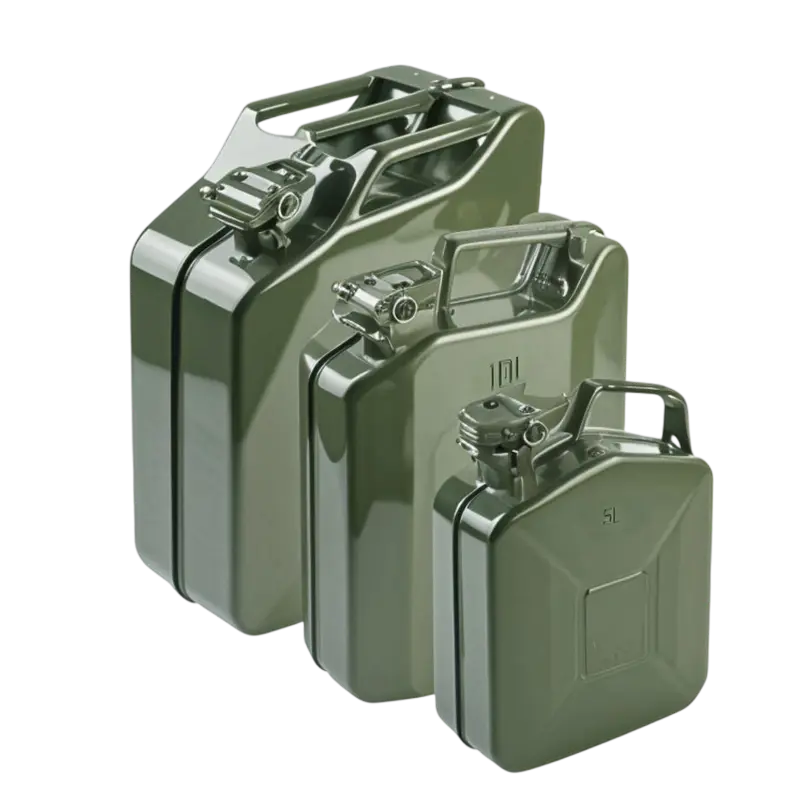
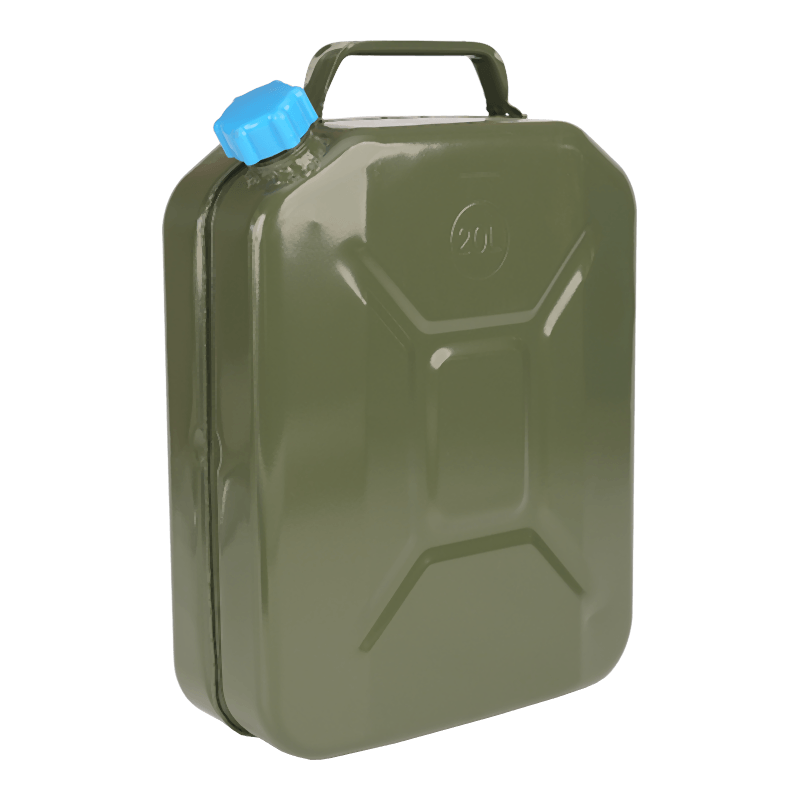
The term “jerry can” originally referred to the sturdy metal fuel canisters developed in Germany in the 1930s. Modern plastic oil jerry cans retain the same basic shape – a rectangular body with a recessed handle, a short spout, and a secure cap – but are manufactured through blow molding or injection molding using specialized polymers. The plastic construction offers distinct properties that matter for oil storage.
First, plastic is non-corrosive. Oil can contain moisture or acidic byproducts, and metal cans can rust from the inside, contaminating the oil. Plastic jerry cans are immune to rust and do not react with most petroleum products. Second, plastic is lighter. A 20-liter plastic jerry can weighs about 1.2 kg (2.6 lbs) empty, compared to 2.5 kg (5.5 lbs) for a metal can of the same capacity. This makes handling much easier, especially when the can is full of heavy oil. Third, plastic does not create sparks if dropped – a critical safety feature when handling flammable liquids in hazardous environments.
However, plastic also has limitations. Some low-quality plastics can swell or crack when exposed to certain solvents or high temperatures. UV radiation from sunlight can degrade plastic over time, making it brittle. And plastic jerry cans are more permeable to hydrocarbon vapors than metal, meaning they may slowly release volatile organic compounds (VOCs) unless specifically designed with barrier layers. Choosing the right plastic and design mitigates these issues.
Why Choose a Plastic Oil Jerry Can Over Metal? The Key Advantages
While metal cans still have their place (especially for long-term, stationary storage of gasoline), plastic oil jerry cans have become the preferred choice for most users due to several compelling benefits.
Weight and portability: A full 20-liter (5.3 gallon) can of oil weighs about 18 kg (40 lbs). Every kilogram saved in the container weight reduces strain on your back and arms when pouring. For mechanics who move cans multiple times per day, the lighter weight of a plastic jerry can significantly reduces fatigue.
No rust, no corrosion: Metal cans eventually rust, especially if stored in humid environments or if water gets into the oil. Rust flakes can contaminate the oil and damage engines or hydraulic systems. A plastic oil jerry can will never rust, ensuring the oil remains clean and free of metallic particles.
Impact resistance: Drop a metal can from a truck bed onto concrete, and it will dent, possibly rupture at the seam. A quality plastic jerry can will bounce or flex, returning to its original shape without leaking. Plastic’s ability to absorb impact makes it ideal for rough transport conditions.
Transparency or translucency: Many plastic oil jerry cans are manufactured with a translucent or semi-transparent body, allowing you to see the oil level at a glance. This is a huge convenience for inventory management and prevents running dry unexpectedly. Metal cans offer no visibility.
Integrated dispensing features: Plastic jerry cans often come with built-in spouts, flexible hoses, or pour spouts that snap into place. Some have vented caps that allow smooth, glug-free pouring. Metal cans typically require separate funnels or spouts that can be lost or become contaminated.
Lower cost: For the same capacity, a plastic oil jerry can is generally 30% to 50% cheaper than a metal can of equivalent quality. This makes plastic the economical choice for workshops that need many containers for different oil types (e.g., 10W-30, hydraulic oil, gear oil).
What Types of Plastic Are Used in Oil Jerry Cans?
Not all plastics are compatible with oils and fuels. The most common and safest material for a plastic oil jerry can is HDPE (High-Density Polyethylene), marked with the resin identification code “2”. HDPE is resistant to a wide range of chemicals, including motor oil, diesel, kerosene, antifreeze, and many industrial lubricants. It has excellent strength-to-density ratio, does not leach additives into oil, and can withstand temperatures from -40°C to 60°C (-40°F to 140°F).
Another material occasionally used is PET (Polyethylene Terephthalate, code “1”), commonly used for water bottles. However, PET is less resistant to hydrocarbons and can become brittle when in contact with oil for extended periods. Avoid PET jerry cans for oil storage – they are designed for single-use water or food products.
Some premium plastic oil jerry cans use multi-layer construction: an inner layer of HDPE, a barrier layer (such as EVOH – ethylene vinyl alcohol) to reduce vapor permeability, and an outer layer of HDPE. These barrier cans are required for transporting gasoline or other highly volatile fuels under UN regulations. For standard engine oil or hydraulic oil, a single-layer HDPE can of adequate thickness (typically 2-3 mm) is sufficient.
Key Features to Look for in a High-Quality Plastic Oil Jerry Can
When shopping for a plastic oil jerry can, the cheapest option may cost you more in spilled oil and safety hazards. Here are the critical features that separate a reliable can from a disposable one.
UN/DOT certification: If you intend to transport the jerry can on public roads (for example, taking waste oil to a recycling center or carrying diesel to a remote job site), look for a can that meets UN/DOT performance standards. UN markings on the bottom indicate that the container has passed tests for stacking, drop, leakproofness, and hydraulic pressure. A UN-rated plastic oil jerry can is required for commercial transport of hazardous materials in many jurisdictions.
Wall thickness and rigidity: A quality can will have uniform wall thickness of at least 2 millimeters. Thin-walled cans (found at discount stores) flex excessively, may collapse when you pour, and are prone to splitting at stress points. Squeeze the sides – a good can should feel firm with minimal give.
Leak-proof cap and seal: The cap should have a rubber or silicone gasket that creates an airtight seal when tightened. Some caps include a built-in vent that can be opened to allow smooth pouring or closed for transport. Avoid caps that rely solely on plastic threads without a gasket – they will leak over time.
Integrated handle design: Look for handles that are molded as part of the can body, not attached separately. The handle should be wide enough to accommodate a gloved hand and positioned so that the can balances when full. A second handle on the bottom or side helps with pouring.
Spout or nozzle: Many plastic jerry cans come with a removable or folding spout. For oil, a spout with a built-in flow control (push-button or twist-to-open) is ideal because it prevents accidental spills. Some spouts have a flexible tube that can reach into engine oil fill holes. Ensure the spout seals tightly when not in use.
UV stabilizers: If the can will be stored outdoors or in a sunny workshop, choose a can that is UV-stabilized (often labeled “UV-resistant” or “contains carbon black”). Black or dark blue plastics naturally block UV; translucent cans without UV inhibitors will become brittle after a year of sun exposure.
Proper Use and Handling of a Plastic Oil Jerry Can
Even the best jerry can will fail if used incorrectly. Follow these guidelines to maximize safety and container life.
Do not store incompatible liquids: While HDPE is resistant to many chemicals, it is not universal. Never store strong solvents like acetone, toluene, methyl ethyl ketone (MEK), or chlorinated solvents in a plastic oil jerry can. These can dissolve or swell the plastic, causing leakage. Also avoid storing brake fluid (glycol-based) in a can that previously held petroleum oil – cross-contamination can damage seals.
Do not overfill: Leave at least 5% headspace (about 1 liter for a 20L can) to allow for thermal expansion. Oil expands when hot; a completely full can left in the sun can bulge and crack the seams.
Keep away from extreme heat: Plastic oil jerry cans should not be stored near stoves, furnaces, or in direct sunlight for prolonged periods. The maximum recommended storage temperature is 50°C (122°F). Above that, the plastic softens and can deform. In a vehicle trunk on a summer day, temperatures can exceed 60°C – do not leave full plastic cans in a closed car.
Clean before changing oil types: If you need to reuse a can for a different oil, thoroughly rinse with diesel or a degreaser, then air dry. Residual oil can contaminate the new oil. However, for critical applications (like different viscosity engine oils), it is better to use dedicated cans and label them clearly.
Inspect regularly: Before each use, check the can for cracks, swelling, or white stress marks (which indicate plastic fatigue). Also inspect the cap seal for cracks or flattening. Replace the can if you see any damage – a leaking oil can is an environmental and safety hazard.
Use proper pouring technique: When pouring, hold the can by the top handle and support the bottom with your other hand. Open the vent (if equipped) to allow smooth flow. Pour slowly to avoid splashing. For heavy oils, pre-warming the can in a heated room (not direct heat) reduces viscosity and makes pouring easier.
Safety Considerations and Regulations for Plastic Oil Jerry Cans
Storing and transporting oil in plastic jerry cans involves legal and practical safety obligations. In many countries, the storage of diesel, gasoline, or waste oil in plastic containers is regulated. Here is what you need to know.
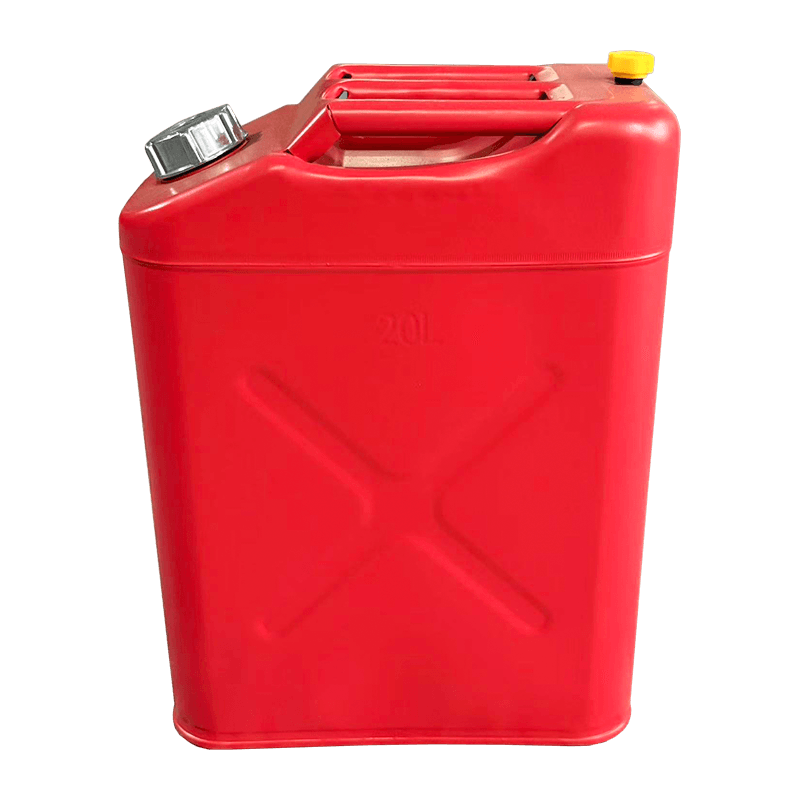
For gasoline and highly flammable fuels: A standard HDPE plastic oil jerry can is not approved for gasoline in many jurisdictions. Gasoline vapors are highly explosive and can permeate through single-layer HDPE. Only specially designed fuel cans (usually red, with flame arrestors and child-resistant caps) are legal for gasoline storage. Do not use a general-purpose plastic oil jerry can for petrol.
For diesel and kerosene: HDPE is acceptable for diesel and kerosene in most regions, provided the can is properly labeled and has a secure cap. However, for commercial transport, UN-approved containers are required. Check your local fire code.
For engine oil and hydraulic oil: These are not classified as flammable liquids (they have flash points above 200°C/392°F). However, they are environmental pollutants. Spilled oil must be cleaned up immediately and disposed of properly. A good plastic oil jerry can should be leakproof to prevent environmental contamination.
For waste oil collection: Many garages collect used oil in plastic jerry cans before taking it to a recycling center. Ensure the can is clearly labeled “USED OIL – DO NOT MIX” and is not used for anything else. Some recycling facilities require waste oil to be stored in specific colors (e.g., blue or black).
Storage quantity limits: Home workshops typically can store up to 60 liters (15 gallons) of oil and diesel without a permit, but limits vary by state and country. Exceeding these limits may require a fire cabinet. Always check local codes.
How to Clean and Maintain a Plastic Oil Jerry Can
Proper maintenance extends the life of your plastic oil jerry can and prevents contamination. Follow this simple cleaning routine.
To remove old oil residue, empty the can completely. Add a small amount of diesel fuel or a commercial degreaser (about 500ml for a 20L can). Close the cap and shake vigorously for one minute. Pour out the cleaning solution into a waste oil container. Repeat with clean diesel if necessary. Then, rinse with hot water and a few drops of dish soap. Shake, then rinse thoroughly with clean water. Allow the can to air dry upside down with the cap removed for 24 hours. Never use harsh solvents like brake cleaner or acetone – they can damage the plastic.
For external cleaning, simply wipe with a rag dampened with soapy water. Do not use abrasive pads or steel wool, as they can scratch the plastic and create sites for stress cracking.
Store empty plastic oil jerry cans with the cap slightly loose to allow any trapped moisture to evaporate. If storing for more than six months, consider adding a few drops of isopropyl alcohol to absorb residual moisture, then seal tightly.
Common Problems and Troubleshooting for Plastic Oil Jerry Cans
Despite their durability, plastic jerry cans can develop issues. Here are the most frequent problems and how to resolve them.
Problem: The can swells or bulges noticeably. This indicates that the contents have expanded due to heat or that chemical degradation is occurring. If the can was stored in a hot environment, move it to a cool place and the swelling may subside. If swelling persists, the plastic may have absorbed fuel components and softened – replace the can immediately.
Problem: The cap will not seal tightly or leaks from the threads. Inspect the cap gasket. If it is cracked, flattened, or missing, replace the cap. Many manufacturers sell replacement caps with gaskets. Do not attempt to use tape or glue – it will fail.
Problem: The spout drips after pouring. This is common with rigid spouts. Tilt the can back slightly after pouring to allow the spout to drain. Some spouts have a drip-stop valve; if it fails, replace the spout. For frequent use, consider buying a can with a flexible hose and twist-closure nozzle.
Problem: The can has developed white stress cracks near the handle or corners. White “crazing” indicates that the plastic has been overstressed, usually from dropping or over-tightening the cap. Small surface cracks may not leak immediately, but they weaken the container. Replace the can as soon as you see cracks – they will grow over time.
Problem: The plastic feels brittle or cracks when flexed. This is UV damage or age-related plasticizer loss. Discard the can responsibly. Do not try to repair cracks with glue – the repair will not withstand oil and pressure.
Problem: There is a strong fuel odor even when the can is empty. The plastic has absorbed hydrocarbons and is outgassing. This is normal for older cans but indicates increased permeability. For sensitive environments (e.g., stored next to a water heater), retire the can.
Environmental Impact and Disposal of Plastic Oil Jerry Cans
Plastic jerry cans are recyclable, but they must be completely empty and free of oil residues to be accepted by recycling programs. HDPE (code 2) is one of the most commonly recycled plastics. After thoroughly cleaning the can (as described above), remove the cap and spout (these are often made of different plastics or metal springs). Check with your local recycling center; many accept HDPE containers as long as they are clean. If the can is contaminated with hazardous waste (e.g., mixed with unknown chemicals), it may need to go to a hazardous waste facility.
To reduce environmental footprint, consider purchasing reusable, heavy-duty plastic oil jerry cans designed for decades of use rather than disposable thin-walled cans. Also, buy the largest size appropriate for your needs – fewer containers mean less plastic waste.
Top Brands and Buying Recommendations
While there are many generic options, these brands have established reputations for quality in the plastic oil jerry can market.
Scepter: Known for their military-style fuel and water cans, Scepter produces heavy-duty HDPE jerry cans that meet UN certification. Their “SmartControl” spout is a favorite among off-roaders and mechanics.
No-Spill: Specializing in consumer fuel and oil cans, No-Spill’s plastic jerry cans feature a push-button flow control and a self-venting design. Their oil cans are translucent with precise measurement markings.
Eagle Manufacturing: A leader in industrial safety cans, Eagle offers HDPE plastic oil jerry cans with flame arrestors (for fuels) and leakproof seals. These are heavy-duty and expensive but built to last a generation.
Justrite: Another industrial giant, Justrite’s plastic “Safety Cans” for oil are made from conductive HDPE to prevent static buildup. They include a trigger-operated pour spout and are FM-approved.
Generic / House brands: Many auto parts stores and farm supply shops sell unbranded HDPE jerry cans. These can be perfectly adequate if they meet the thickness and UV stabilization criteria. Inspect them in person before buying – avoid any that feel flimsy or have sharp mold seams.
Plastic Oil Jerry Can vs. Other Container Types
To fully appreciate the plastic oil jerry can, compare it to alternative storage options.
Metal jerry cans: As discussed, metal is heavier, rust-prone, and more expensive. However, metal is impermeable to vapors and does not degrade under UV light. For long-term (years) outdoor storage of gasoline, metal is superior. For workshop oil storage, plastic wins.
Glass bottles: Glass is chemically inert and reusable, but it is fragile, heavy, and impractical for any volume over 1 liter. Not recommended for workshop use.
Plastic oil bottles (original packaging): Most engine oil comes in 1-quart or 5-liter plastic bottles. These are convenient for single-use but are not designed for repeated opening and closing. Their caps often leak after a few uses. A dedicated jerry can is more robust for bulk oil.
Drums (55-gallon / 200-liter): For high-volume users, steel or plastic drums make sense. But they are not portable. A 20-liter plastic oil jerry can is the ideal portable size for filling engines, topping off hydraulic reservoirs, or carrying to remote equipment.
Frequently Asked Questions (FAQ)
Can I use a plastic oil jerry can for gasoline? Generally, no. Standard HDPE oil jerry cans are not designed for gasoline. Gasoline vapors can permeate the plastic, and static discharge can cause fires. Use only containers specifically marked for fuel, typically red in color with a flame arrestor.
How long does a plastic oil jerry can last? With proper care (no UV exposure, no rough handling, no extreme temperatures), a quality HDPE can will last 5 to 10 years. Cheaper cans may last only 2-3 years. UV degradation is the main culprit – store out of sunlight.
Is it safe to store diesel in a plastic oil jerry can? Yes, diesel is compatible with HDPE. However, for legal transport on public roads, use a UN-approved container. Always label the can clearly “DIESEL” to avoid confusion.
Can I put hot oil (e.g., drained from an engine) into a plastic jerry can? No. Hot oil (above 70°C/160°F) can soften the plastic and cause deformation. Allow the oil to cool to ambient temperature before pouring into a plastic container.
How do I fix a leak in a plastic oil jerry can? Small leaks around the cap can be fixed by replacing the cap gasket. Cracks in the body are not repairable – the can must be replaced. Do not use epoxy or tape; oil will dissolve most adhesives.
Are plastic oil jerry cans recyclable? Yes, clean HDPE jerry cans are recyclable. Remove the cap and spout (recycle separately if possible). Check with your local recycling program – many accept rigid HDPE containers.
What does UN 1H1 or 1H2 mean on a plastic jerry can? UN 1H1 indicates a non-removable head plastic jerry can (the top is integral). 1H2 indicates a removable head (a cap large enough to insert a liner). For oil, 1H1 is common. These markings certify the can meets UN performance standards for transport of hazardous goods.
Can I store brake fluid in a plastic oil jerry can? It is not recommended. Brake fluid (DOT 3, 4, 5.1) is glycol-based and can absorb moisture. Residual oil in the can will contaminate the brake fluid. Use a dedicated, labeled container.
Why does my plastic oil jerry can have a faint oil smell even when empty? Hydrocarbons have slightly permeated the plastic. This is normal and does not affect structural integrity for the same oil type. However, if you plan to store a different chemical, the residual may cause contamination.
Can I use a plastic oil jerry can for drinking water? Absolutely not. Plastic jerry cans that have held oil are contaminated with toxic residues. Even after cleaning, they are not safe for potable water. Use only food-grade containers for water.
What is the maximum capacity for a portable plastic oil jerry can? Common sizes are 5L, 10L, 20L, and 25L. 20L (5.3 gallons) is the most popular because it holds a standard oil pail refill. Larger than 25L becomes difficult to lift and pour safely.
How do I remove old oil sludge from a plastic jerry can? Add a handful of gravel or small nuts along with a degreaser and shake vigorously. The abrasive action dislodges sludge. Rinse thoroughly, then remove the gravel. Do not use sand – it can scratch the plastic too deeply.
Do plastic oil jerry cans conduct static electricity? Standard HDPE is an insulator, so static charge can build up when pouring flammable liquids. For gasoline or other flammables, use a metal can or a conductive plastic can (black carbon-loaded HDPE). For engine oil and diesel, static is not a significant hazard.
Can I stack plastic oil jerry cans on top of each other? Yes, if the cans are UN-rated for stacking. Look for a stacking notch on the top. Stack no more than two or three high, and ensure the lower cans are not overloaded. Never stack empty cans with caps tightened – they can collapse.
What colors are available for plastic oil jerry cans, and do colors matter? Common colors: blue (kerosene/diesel), black (motor oil), green (hydraulic oil), yellow (diesel), red (gasoline), white (water or food). Using the correct color helps prevent misidentification. However, color alone does not guarantee compatibility – always check the material.
How do I pour oil from a plastic jerry can without spilling? Use a funnel or a can with an integrated no-drip spout. Open the vent cap (usually a small cap opposite the main cap) to allow air in, which creates a smooth flow. Pour slowly, and tilt the can back quickly at the end of the pour to drain the spout.
Are there plastic oil jerry cans that meet OSHA requirements for workplace safety? Yes, OSHA references NFPA 30 and 30B. Safety cans (plastic) must be listed by a recognized testing laboratory (UL, FM). Features include pressure-relief vents, flame arrestors, and leakproof construction. For general oil storage (not flammable), OSHA does not require safety cans, but good practice suggests using sealed, labeled containers.
Can I use a plastic oil jerry can in freezing temperatures? HDPE remains flexible down to -40°C (-40°F). However, oil becomes very thick and difficult to pour at low temperatures. Warm the can indoors before pouring. Do not use a flame or heater directly on the plastic.
What is the best way to label a plastic oil jerry can? Use a permanent marker or a write-on label designed for polyethylene. Standard paper labels will fall off. Some cans have a recessed area for labeling. Alternatively, color-code caps.
Where can I buy a high-quality plastic oil jerry can? Automotive parts stores (AutoZone, NAPA), farm supply stores (Tractor Supply, Rural King), hardware stores, and online retailers (Amazon, Zoro, Grainger). For industrial grades, look for brands like Justrite, Eagle, or Scepter.
Final recommendation: For anyone who stores, transports, or dispenses oil on a regular basis, a high-quality plastic oil jerry can is an indispensable tool. Choose HDPE construction with a thickness of at least 2mm, a leakproof cap with gasket, and a user-friendly spout. Avoid bargain-bin cans that feel flimsy. With proper care, your plastic jerry can will provide years of safe, rust-free, lightweight service.