English
 中文简体
中文简体

What Is an Electric Grease Injector?
At its simplest, an electric grease injector is a tool that uses electrical power—either from a corded connection or a rechargeable battery—to force lubricating grease through a nozzle and into a grease fitting (also called a zerk fitting or nipple). The grease travels through channels behind the fitting to reach bearings, bushings, and other moving parts that require lubrication.
The tool consists of several key components: a motor that drives a plunger or piston, a barrel or cylinder that holds the grease (either in cartridges or from a bulk reservoir), a valve system that controls flow direction and prevents backflow, and a delivery system including a nozzle, hose, and coupler that connect to the grease fitting. When you activate the tool, the electric motor moves the plunger forward, creating pressure that forces grease through the delivery system.
Electric grease injectors can generate pressures up to 10,000 PSI or more, depending on the model. Some heavy‑duty units reach 15,000 PSI, making them capable of forcing grease into tight spaces and past seals where manual application would be impossible. This high pressure is essential for lubricating components that are tightly sealed or located in hard‑to‑reach areas.
Electric grease injectors are available in two main configurations: corded models that plug into a standard wall outlet (110V/220V), and cordless battery‑powered models that offer maximum portability. Cordless units are the most popular choice for professionals who need to move freely around a job site. They are typically powered by 12‑volt, 18‑volt, or 20‑volt lithium‑ion batteries.
How Does an Electric Grease Injector Work?
The working principle of an electric grease injector is straightforward but effective. When you press the trigger or activate the switch, the electric motor engages a gear train that drives a piston or plunger forward. This piston compresses the grease inside the barrel, creating high pressure. The pressure forces the grease through a one‑way valve, then through the hose and nozzle, and finally into the grease fitting.
Modern electric grease injectors often feature variable speed controls that allow you to adjust the flow rate. This is particularly useful when lubricating different types of equipment—some bearings require a slow, steady flow to avoid over‑greasing, while others benefit from a faster delivery. Many cordless models also include features like LED lights for working in dark areas and bleed valves for removing air from the system.
The beauty of the electric grease injector is precision. You get the same pressure and output every time—no guessing, no over‑greasing, and no under‑greasing. This consistency is one of the key reasons why professional mechanics and industrial maintenance teams are switching to electric models.
Electric Grease Injector vs Manual Grease Gun: Which Is Better?
To understand why the electric grease injector has become so popular, it helps to compare it directly with the manual grease gun—the traditional workhorse that has been used for decades.
Manual Grease Guns: The Traditional Choice
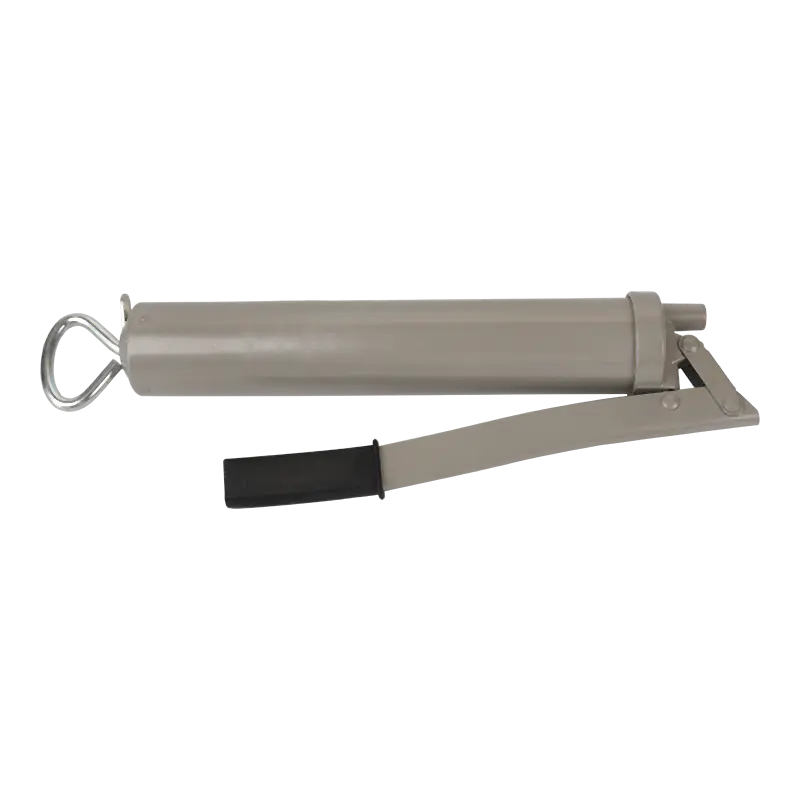
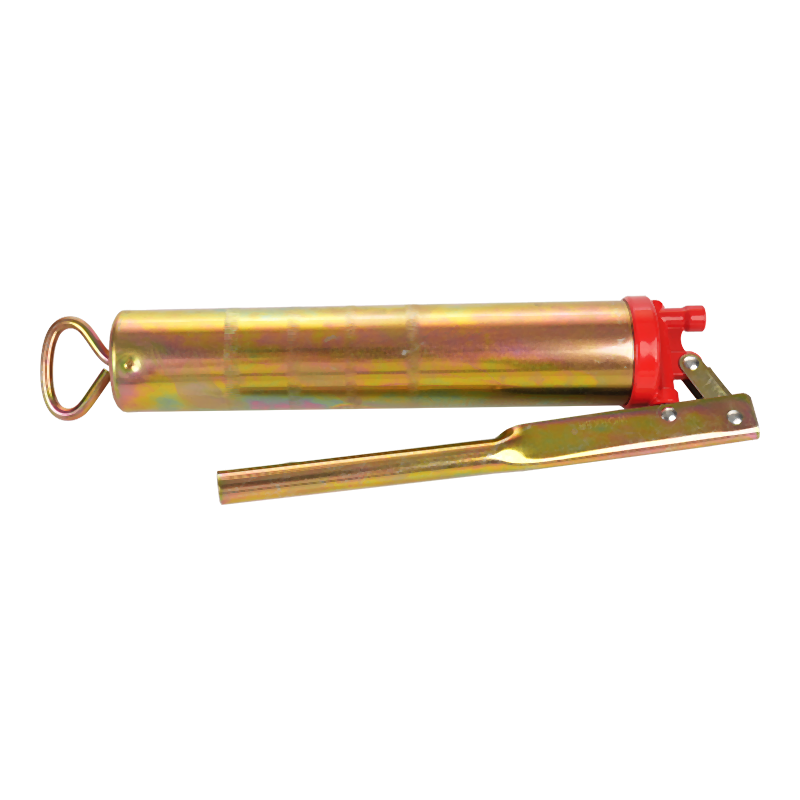
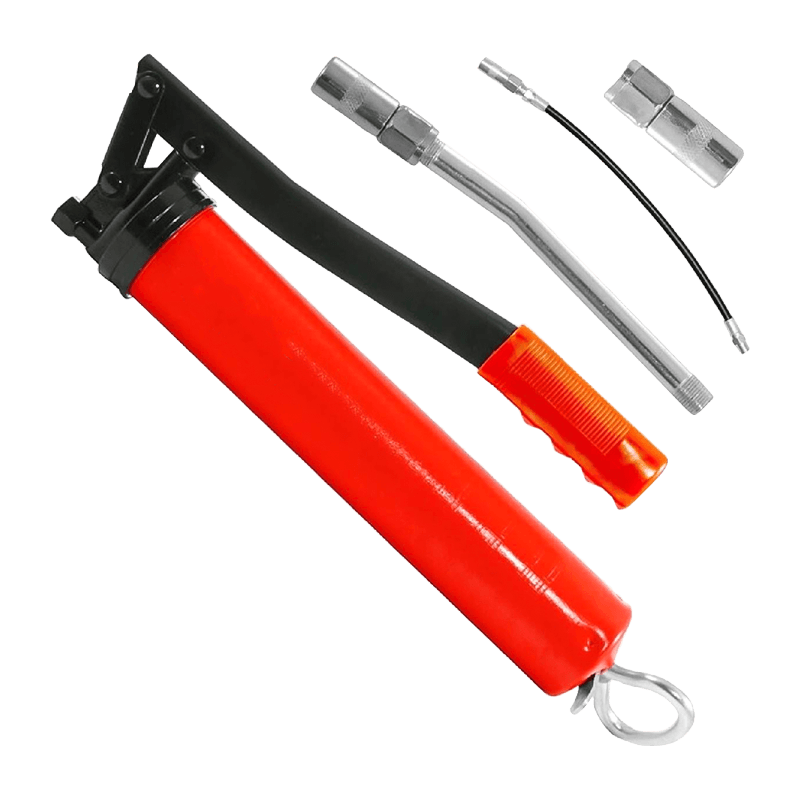
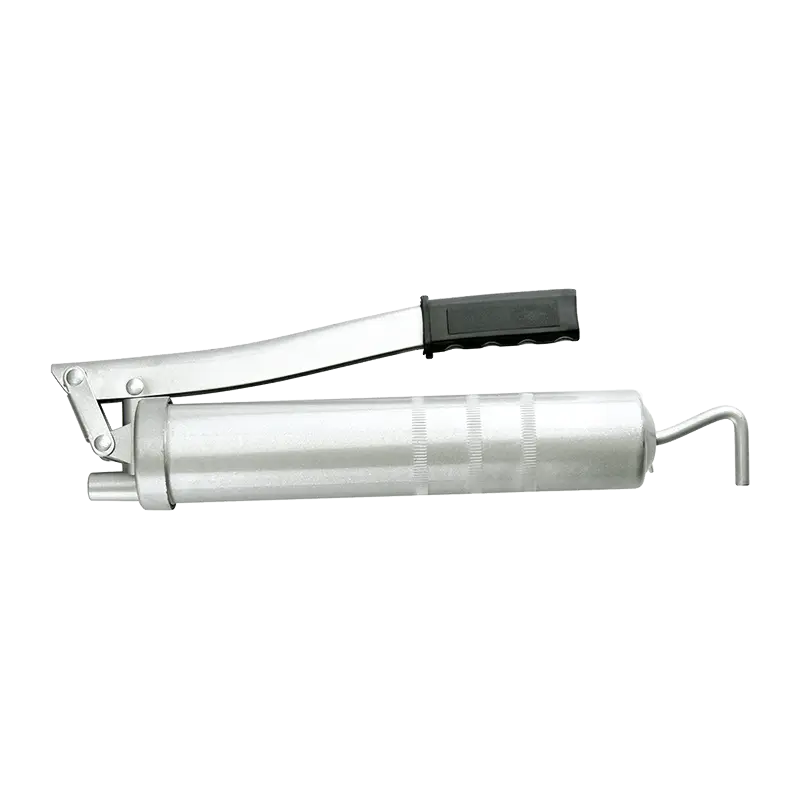
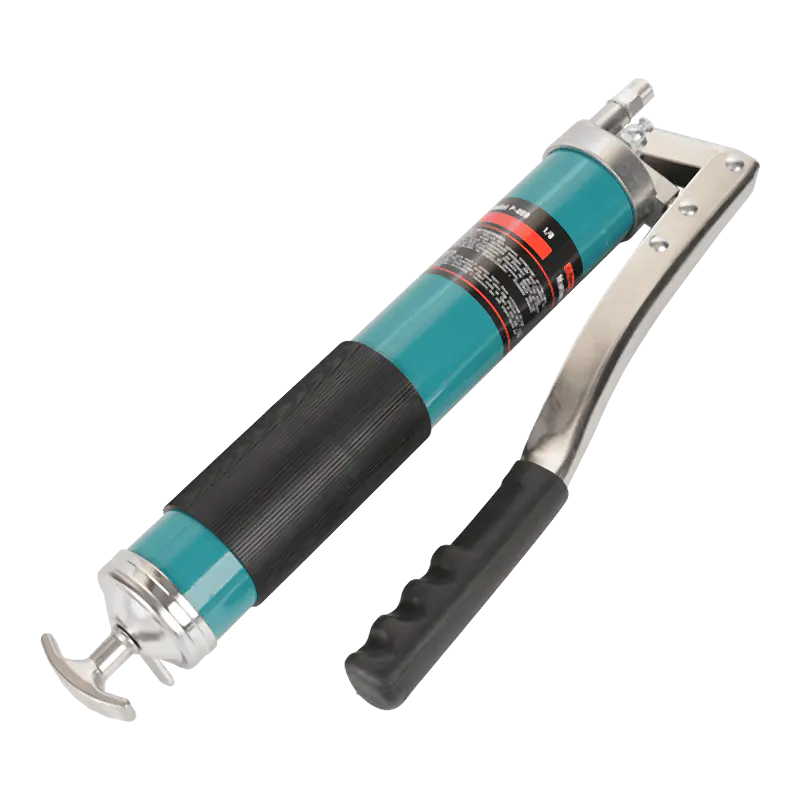
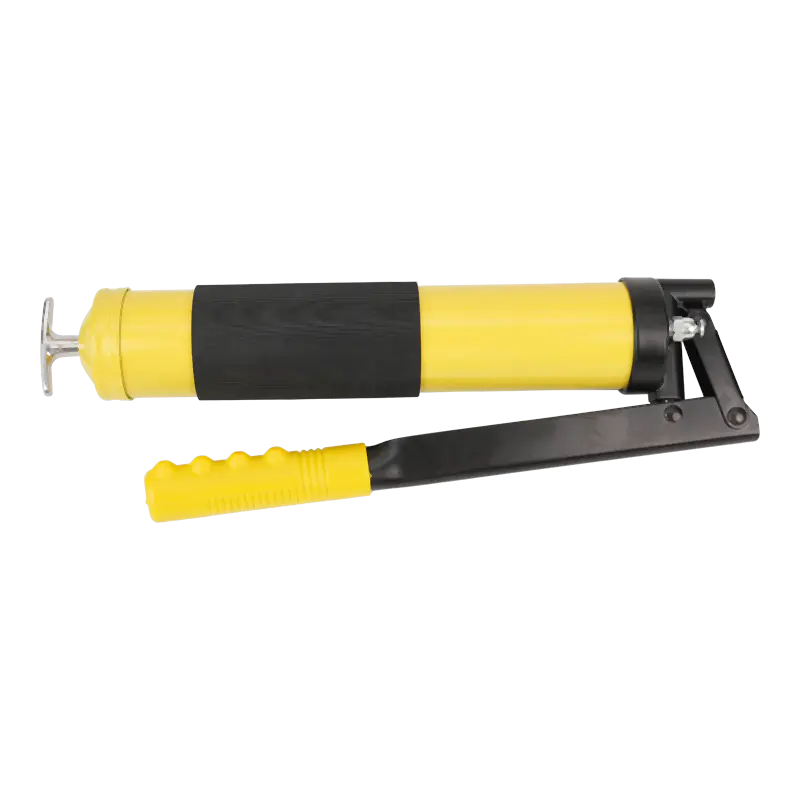
Manual grease guns come in two main styles: lever‑action and pistol‑grip. Lever‑action guns require two‑handed pumping and deliver approximately 1.28 grams of grease per stroke, generating pressures of 7,000‑10,000 PSI. Pistol‑grip models allow one‑handed operation but deliver less grease per stroke—about 0.86 grams.
The advantages of manual guns are clear: they are inexpensive ($30‑$80), require no power source, and are simple and durable. They are always ready to use—just grab and go. For occasional use or small jobs, a manual grease gun is perfectly adequate.
However, manual guns have significant drawbacks. They require physical effort, which leads to operator fatigue—especially when lubricating multiple fittings. They are slow, and the pressure and output depend on how hard you pump. Inconsistent pressure can lead to under‑greasing (which causes premature wear) or over‑greasing (which can damage seals and create heat buildup).
Electric Grease Injectors: The Modern Upgrade
Electric grease injectors address virtually every limitation of manual guns. They eliminate operator fatigue entirely—press a button and the tool does the work. They deliver consistent pressure and output every time, reducing the risk of lubrication errors. They are significantly faster, making them ideal for high‑frequency lubrication tasks.
While electric models are more expensive—typically $150‑$300—the investment pays for itself through increased productivity, reduced fatigue, and better lubrication quality. For professionals who lubricate equipment daily, the time savings alone can justify the higher upfront cost.
Battery‑operated cordless grease guns minimize operator fatigue (no pumping required) and are rated at 6,000 to 10,000 PSI. They generally come in 12‑volt, 18‑volt, and 20‑volt varieties. Manual grease guns are simple in structure and low in price, but they have fatal shortcomings such as being laborious, slow, and unable to increase pressure.
Electric Grease Injector vs Pneumatic Grease Gun
Pneumatic (air‑powered) grease guns are another alternative to manual models. They use compressed air to drive the grease pump and can generate pressures up to 15,000 PSI. They are ideal for industrial, high‑volume applications where continuous operation is required.
The main difference between electric and pneumatic grease guns is the power source. Pneumatic guns require a compressor and air hoses, which limits portability. They are excellent for stationary workshop use but less convenient for mobile work. Electric grease guns do not need compressed air and offer greater flexibility—you can use them anywhere, whether you are in a workshop, on a farm, or at a construction site.
For most professionals, the electric grease injector strikes the best balance between power, portability, and convenience.
What Are the Applications of an Electric Grease Injector?
Electric grease injectors are used across a wide range of industries and applications. Their versatility and power make them indispensable in any setting where machinery requires regular lubrication.
Automotive Repair and Maintenance
In automotive shops, electric grease injectors are used to lubricate chassis components, suspension bushings, ball joints, tie rod ends, universal joints, and wheel bearings. They are also used for greasing brake caliper slides and other critical components. The precision and consistency of electric models ensure that every fitting receives the correct amount of grease, reducing the risk of premature component failure.
Agricultural Equipment
Farms are filled with equipment that demands regular lubrication—tractors, combines, balers, sprayers, and more. Electric grease injectors are ideal for agricultural settings because they can be used in the field, far from any power source. Battery‑powered models allow farmers to lubricate equipment wherever it is parked, saving time and reducing downtime.
Construction and Heavy Machinery
Construction equipment—excavators, bulldozers, loaders, cranes, and forklifts—has dozens of grease fittings that require regular attention. Electric grease injectors are essential for maintaining these machines. They deliver the high pressure needed to force grease into tight pins and bushings, and they do it quickly, minimizing machine downtime.
Industrial Manufacturing
In factories and manufacturing plants, electric grease injectors are used to lubricate conveyor systems, motors, pumps, presses, and other production equipment. They are particularly valuable in facilities where lubrication is performed daily or even multiple times per shift. The consistent output of electric models ensures that every bearing receives the correct amount of grease, extending equipment life and reducing unplanned downtime.
Marine and Harbor Equipment
Ships, dock equipment, and harbor machinery operate in harsh, corrosive environments that demand rigorous maintenance. Electric grease injectors are used to lubricate winches, cranes, steering systems, and other critical components.
Mining and Quarrying
Heavy‑duty mining equipment operates under extreme conditions and requires frequent lubrication. Electric grease injectors are up to the task, delivering high pressure and high volume to keep massive machines running.
Key Features to Look for in an Electric Grease Injector
Choosing the right electric grease injector can be overwhelming, given the number of options on the market. Here are the key features and specifications to consider.
Pressure Rating
Pressure is one of the most important specifications. Most electric grease injectors deliver 6,000‑10,000 PSI. Some heavy‑duty models reach 10,000‑15,000 PSI. For most automotive and light industrial applications, 6,000‑10,000 PSI is sufficient. For heavy equipment, construction machinery, or agricultural equipment with tightly sealed fittings, look for a model with higher pressure capability.
Power Source: Corded vs Cordless
Corded electric grease injectors plug into a standard wall outlet (110V/220V). They offer unlimited runtime and consistent power, but they tether you to an outlet. Cordless models run on rechargeable batteries—typically 12V, 18V, or 20V lithium‑ion packs. They offer maximum portability but require battery management. If you already own power tools from a major brand, consider a grease injector that uses the same battery system to save money on batteries and chargers.
Battery Capacity and Runtime
For cordless models, battery capacity (measured in amp‑hours or Ah) determines how long the tool will run on a single charge. A 2.0Ah battery may last for several dozen grease fittings, while a 5.0Ah or larger battery will last significantly longer. Some models come with two batteries so you can keep one charging while using the other.
Grease Capacity and Loading Method
Electric grease injectors can be loaded with grease in two ways: using standard 14‑ounce cartridges or from a bulk grease reservoir. Cartridge loading is convenient and mess‑free. Bulk loading is more economical for high‑volume users but can be messier. Some models support both methods.
Hose Length and Flexibility
A flexible hose makes it easier to reach awkwardly positioned grease fittings. Most electric grease injectors come with hoses ranging from 18 inches to 40 inches or more. A longer hose is particularly useful for lubricating equipment with hard‑to‑reach fittings.
Ergonomics and Weight
If you will be using the tool for extended periods, weight and ergonomics matter. Look for a model with a comfortable grip and good balance. Some cordless models weigh as little as 7.2 pounds, making them comfortable to use even during long jobs.
Additional Features
Built‑in LED lights are invaluable for working in dark areas under vehicles or machinery. Bleed valves make it easy to remove air from the system. Variable speed controls allow you to adjust the flow rate for different applications. Some models include a carrying case for organized storage and transport.
Popular Electric Grease Injector Brands and Models
Several brands dominate the electric grease injector market, each offering models with different features and price points.
Milwaukee is widely regarded as a top choice for electric grease injectors. The Milwaukee M18 2646‑20 is often cited as the best overall model, offering professional‑grade power and durability. The M12 Cordless Lithium‑ion Grease Gun is a more compact alternative.
DeWalt is another major player. The DeWalt DCGG571M1 is considered the best value option, offering solid performance at a more accessible price point. The DEWALT DCGG571B 20V MAX is a pro‑grade pick.
Lincoln Industrial has a long history in the lubrication industry. The Lincoln 1884 PowerLuber 18V Cordless Grease Gun is a highly regarded option.
Ryobi offers budget‑friendly options. The Ryobi P3000 delivers solid performance without breaking the bank, making it an ideal choice for DIYers. User reviews rate the Ryobi grease gun at an average of 4.7 out of 5, with 96% recommending the product.
VEVOR offers affordable cordless grease guns with impressive specifications—8000‑10,000 PSI, 20‑volt batteries, and long hoses. These are popular choices for budget‑conscious buyers who still want professional performance.
Lumax is known for precision accessories like the LX‑1172 needle nozzle.
Avhrit offers battery greaser kits with two rechargeable batteries, 10,000 PSI pressure, and a 5 oz/min flow rate.
When choosing a brand, consider whether you already own other cordless tools from that manufacturer. Using the same battery system across multiple tools saves money and simplifies charging.
How to Maintain Your Electric Grease Injector
Proper maintenance will extend the life of your electric grease injector and ensure it performs reliably when you need it. Follow these tips to keep your tool in top condition.
Clean After Each Use
Wipe down the exterior of the tool after each use to remove grease and dirt. Pay particular attention to the coupler and nozzle, as built‑up grease can prevent a proper seal. Check the valve spring, steel ball, piston, and oil gun head seal before use.
Bleed the System
Air trapped in the grease system can cause inconsistent output and make it difficult to achieve proper pressure. Most electric grease injectors have a bleed valve that allows you to purge air from the system. Bleed the system whenever you change grease cartridges or if the tool seems to be losing pressure.
Inspect the Hose
Check the flexible hose regularly for cracks, wear, or damage. A damaged hose can leak grease or burst under pressure. Replace the hose if you notice any signs of deterioration.
Battery Care
For cordless models, follow the manufacturer's recommendations for battery care. Avoid leaving batteries in extreme temperatures—heat can degrade lithium‑ion cells, and cold can reduce performance. Store batteries at partial charge (around 50%) for long‑term storage.
Lubricate Moving Parts
Some electric grease injectors have moving parts that require periodic lubrication. Check the user manual for specific maintenance recommendations.
Store Properly
Store your electric grease injector in a clean, dry place. If you store it with grease in the barrel, the grease can harden over time and clog the system. Consider emptying the barrel before long‑term storage.
Common Mistakes to Avoid When Using an Electric Grease Injector
Even with the best tool, mistakes can happen. Here are the most common errors and how to avoid them.
Using the Wrong Grease: Different applications require different types of grease. Using the wrong grease can lead to poor lubrication, premature wear, or even component failure. Always check the equipment manufacturer's recommendations for the correct grease type.
Over‑Greasing: More grease is not always better. Over‑greasing can damage seals, create heat buildup, and attract dirt and contaminants. Use the correct amount—typically, you should stop when you see fresh grease appearing at the seal or when you feel resistance.
Under‑Greasing: Under‑greasing is equally problematic. Insufficient grease leads to metal‑on‑metal contact, accelerated wear, and premature component failure. Follow the equipment manufacturer's lubrication schedule and recommendations.
Mixing Grease Families: Different grease families (lithium, calcium, polyurea, etc.) are not always compatible. Mixing incompatible greases can cause the grease to break down, lose its lubricating properties, and damage components. Always use the same grease type throughout your equipment.
Neglecting to Bleed Air: Air in the system reduces pressure and leads to inconsistent grease delivery. Always bleed the system after changing cartridges or if the tool seems to be losing power.
Forcing a Stuck Fitting: If a grease fitting is clogged or seized, forcing grease into it can damage the fitting or the component. Clean or replace the fitting before attempting to lubricate.
Frequently Asked Questions About Electric Grease Injectors
What is an electric grease injector?
An electric grease injector is a lubrication tool that uses an electric motor—powered either by a corded connection or a rechargeable battery—to drive a high‑pressure grease pump. It delivers grease through a nozzle into grease fittings on machinery, vehicles, and equipment. It is also known as an electric grease gun or cordless grease gun.
How much pressure does an electric grease injector produce?
Most electric grease injectors produce 6,000‑10,000 PSI. Some heavy‑duty models can reach 10,000‑15,000 PSI. This high pressure allows the tool to force grease into tight spaces and past seals where manual application would be impossible.
What is the difference between an electric grease injector and a manual grease gun?
A manual grease gun requires physical pumping to generate pressure, while an electric grease injector uses a motor to do the work. Electric models eliminate operator fatigue, deliver consistent pressure and output, and are significantly faster. Manual guns are cheaper and simpler but require more effort and are less consistent.
Can I use an electric grease injector with any type of grease?
Electric grease injectors typically handle standard lithium or synthetic greases. However, different applications require different grease types. Always check your equipment manufacturer's recommendations. Avoid mixing different grease families, as they may be incompatible.
Is a cordless electric grease injector better than a corded one?
It depends on your needs. Cordless models offer maximum portability and can be used anywhere, making them ideal for fieldwork, farms, and construction sites. Corded models offer unlimited runtime and consistent power but require access to an outlet. For most professionals, cordless models are the preferred choice.
How long does a cordless electric grease injector battery last?
Battery life depends on the battery capacity (Ah) and the amount of use. A 2.0Ah battery may last for several dozen grease fittings, while a 5.0Ah or larger battery will last significantly longer. Some cordless grease guns come with two batteries so you can keep one charging while using the other.
What is the best brand of electric grease injector?
Popular brands include Milwaukee, DeWalt, Lincoln, Ryobi, and VEVOR. Milwaukee is often considered the best overall, with the M18 2646‑20 being a top choice. DeWalt offers the best value with the DCGG571M1. Ryobi is a good budget option for DIYers. The best brand for you depends on your budget, needs, and whether you already own other cordless tools from that manufacturer.
Can an electric grease injector be used for automotive applications?
Yes. Electric grease injectors are widely used in automotive repair to lubricate chassis components, suspension bushings, ball joints, tie rod ends, universal joints, and wheel bearings. They are also used for greasing brake caliper slides and other critical components.
Can an electric grease injector be used for agricultural equipment?
Yes. Electric grease injectors are ideal for agricultural applications because they can be used in the field, far from power sources. They are used to lubricate tractors, combines, balers, sprayers, and other farm equipment.
How do I maintain my electric grease injector?
Clean the tool after each use, bleed air from the system regularly, inspect the hose for damage, care for the battery properly, and store the tool in a clean, dry place. Check the user manual for specific maintenance recommendations.
What is the difference between an electric grease injector and a pneumatic grease gun?
An electric grease injector uses electrical power (corded or battery), while a pneumatic grease gun uses compressed air. Pneumatic guns require a compressor and air hoses, which limits portability. Electric models offer greater flexibility and can be used anywhere. Both are more powerful and faster than manual guns.
Are electric grease injectors worth the investment?
For professionals who lubricate equipment regularly, electric grease injectors are absolutely worth the investment. They eliminate operator fatigue, save time, deliver consistent lubrication, and reduce the risk of lubrication errors. While the upfront cost is higher than manual guns ($150‑$300 vs $30‑$80), the productivity gains and reduced fatigue quickly justify the investment.
How do I load grease into an electric grease injector?
Most electric grease injectors accept standard 14‑ounce grease cartridges. To load a cartridge, unscrew the barrel, insert the cartridge, and replace the barrel. Some models also support bulk loading from a grease reservoir. Follow the manufacturer's instructions for your specific model.
What should I do if my electric grease injector stops working?
If your electric grease injector stops working, check the battery charge (for cordless models), ensure the grease cartridge is not empty, bleed air from the system, and check the hose for clogs or damage. If the problem persists, consult the user manual or contact the manufacturer for support.
Can I use an electric grease injector on a sealed bearing?
Sealed bearings are designed to be maintenance‑free and should not be lubricated. Attempting to inject grease into a sealed bearing can damage the seal and allow contaminants to enter. Only use electric grease injectors on components with grease fittings (zerk fittings).