English
 中文简体
中文简体

For decades, the metal oil barrel has been the backbone of industrial fluid storage and transportation. From motor oil and hydraulic fluids to lubricants and fuel, these sturdy steel containers are trusted by manufacturers, workshops, farms, and logistics companies worldwide. But with the rise of plastic drums and intermediate bulk containers (IBCs), is the traditional metal oil barrel still relevant? What makes steel barrels superior for certain applications, and how do you choose the right one? This comprehensive guide answers these questions and more, covering everything from barrel construction and capacity options to safety regulations, handling techniques, and maintenance. Whether you are purchasing oil drums for a large industrial operation or storing a few barrels for a small workshop, understanding metal oil barrels will help you make a cost-effective, safe, and durable choice.
A metal oil barrel is a cylindrical container made from steel or iron, typically used for storing and transporting oils, lubricants, fuels, and other liquids. They are available in various sizes, with the most common being the 55-gallon (210-liter) drum, though 30-gallon and 15-gallon sizes are also popular. Metal oil barrels are preferred for their strength, durability, and resistance to punctures and extreme temperatures compared to plastic alternatives. They are also 100% recyclable, making them an environmentally responsible choice. In this article, we explore the different types of metal oil barrels, their construction materials, how to identify quality, proper handling and storage, and the regulatory requirements for shipping hazardous materials.
What Is a Metal Oil Barrel and What Are Its Key Components?
A metal oil barrel is a hollow cylindrical container made of steel, usually with a capacity of 55 gallons (208 liters). It consists of several components: a cylindrical body, a bottom head, a top head, and a closure system. The body is formed from a single sheet of steel rolled into a cylinder and welded or seamed. The heads are attached by a rolling process that creates a tight seal. The closure system typically includes a 2-inch and a 3/4-inch bung hole on the top head, allowing for filling, venting, and dispensing. Some barrels have a removable lid (open-head design), while others are sealed (tight-head design) with only bung holes for access.
Steel drums are manufactured to strict international standards, such as UN/DOT specifications for shipping hazardous materials. They are often coated with a protective paint or lining to prevent rust and contamination of the contents. The exterior is usually painted in a specific color (e.g., blue, red, green, or yellow) to indicate the type of contents, which aids in quick identification and safety compliance.
The construction of a metal oil barrel is robust – a typical 55-gallon steel drum can withstand stacking loads of up to 500 kg per barrel, making them ideal for warehouses and long-distance transport. They are also resistant to heat, cold, and UV radiation, ensuring the integrity of the contents even in harsh environments.
Why Choose a Metal Oil Barrel Over Plastic or Composite Drums?
While plastic drums are lightweight and less expensive, metal oil barrels offer several compelling advantages that make them the preferred choice in many applications.
Superior strength and durability: Steel drums are far more puncture-resistant and impact-resistant than plastic. They can withstand rough handling in transport, stacking, and storage without cracking or splitting. This makes them ideal for heavy industrial lubricants and oils that could be compromised by a damaged container.
Temperature resistance: Metal drums can withstand extreme temperatures – from freezing cold to scorching heat – without degrading. Plastic drums can become brittle in cold weather and warp in high temperatures, compromising their integrity.
Fire resistance: Steel drums are non-combustible and provide a higher level of fire protection for flammable liquids. In the event of a fire, steel drums will not melt or contribute to the spread of flames, whereas plastic drums can melt and release their contents.
Recyclability: Steel drums are 100% recyclable at the end of their life, and many are made from recycled steel. This aligns with corporate sustainability goals and reduces environmental impact.
Chemical compatibility: Steel has broad chemical resistance and can be lined with various coatings to handle aggressive or corrosive substances. Plastic drums may be limited to certain chemical types.
Reusability: Steel drums are often refurbished and reused multiple times, reducing waste and cost per use. Many industries have established drum reconditioning programs that extend the life of these containers.
Of course, plastic drums have their own advantages – they are lighter, easier to handle, and do not rust. However, for long-term storage of oils and lubricants, particularly in industrial settings, metal oil barrels remain the gold standard.
Types of Metal Oil Barrels
Metal oil barrels come in various configurations to suit different applications. The main types are based on the closure design, capacity, and internal lining.
Tight-head drums (closed-head): These drums have a permanently closed top with two bung holes (usually 2-inch and 3/4-inch) for filling and dispensing. They are used for liquids that need to be completely sealed to prevent evaporation or contamination. Tight-head drums are the most common type for oils and lubricants.
Open-head drums (open-top): These drums have a removable lid that is secured with a bolt ring or lever lock. They are used for solids, pastes, and materials that require easy access. For oil storage, open-head drums are less common, but they may be used for recycling waste oil or storing viscous materials.
Galvanized or stainless steel drums: While carbon steel is the standard, galvanized steel drums provide added corrosion resistance for aggressive chemicals or outdoor storage. Stainless steel drums are used for food-grade or highly corrosive applications but are significantly more expensive.
Lined drums: Many metal oil barrels have an internal coating (epoxy, phenolic, or polyethylene) to prevent rust and contamination of the contents. The choice of lining depends on the type of oil or chemical being stored.
Capacity variations: While 55 gallons (208 liters) is the most common size, smaller drums (15, 20, 30 gallons) are available for lower-volume users. In some regions, 200-litre drums are standard.
Key Specifications and Identification
When selecting a metal oil barrel, it is important to understand the specifications and markings that indicate compliance with regulations and suitability for your content.
UN/DOT certification: If you are shipping hazardous materials, the barrel must have UN markings that certify it has passed performance tests for leakage, stacking, drop, and hydraulic pressure. The UN code includes information about the material, packaging type, and packing group.
Material gauge (thickness): The thickness of the steel is measured in gauge. Thicker gauge (lower number) means more strength. For standard oil drums, 18-gauge and 20-gauge are common. Heavy-duty drums may use 16-gauge.
Color coding: While not universal, certain colors are widely used to identify contents:
- Blue: Non-flammable liquids, such as motor oil or hydraulic oil.
- Red: Flammable or combustible liquids (e.g., gasoline, diesel).
- Green: Water-based or environmentally friendly fluids.
- Yellow: Diesel fuel or kerosene.
- Black: Heavy oils, tar, or used oil.
Always refer to the label or safety data sheet (SDS) for accurate identification.
Lining type: The internal lining should be specified based on the oil's chemical composition. For standard petroleum oils, a baked phenolic or epoxy lining is typically sufficient. For synthetic oils or additives, consult the manufacturer.
How to Handle and Store Metal Oil Barrels Safely
Proper handling and storage are critical to prevent spills, leaks, and accidents. Follow these best practices.
Inspect before use: Check the barrel for dents, rust, leaks, or damaged closures. Do not use a damaged barrel – the integrity may be compromised.
Ventilation: When storing oils, ensure the storage area is well-ventilated to prevent the buildup of fumes. This is especially important for flammable liquids.
Storage temperature: Keep barrels in a cool, dry place away from direct sunlight, heat sources, and open flames. Extreme heat can increase internal pressure and cause bulging or rupture.
Stacking: Steel drums can be stacked up to three or four high, provided they are in good condition and the load is evenly distributed. Use proper pallet racking or drum stacking frames to prevent rolling.
Secondary containment: In the event of a leak, have spill containment pallets or trays in place to capture any leakage and prevent environmental contamination.
Handling equipment: Use drum dollies, hand trucks, or forklift attachments designed for drums. Manual rolling should be done carefully to avoid pinching fingers or causing the drum to tip.
Grounding and bonding: When transferring flammable liquids, always ground the drum and bond it to the receiving container to prevent static discharge.
Labeling: Clearly label each barrel with the contents, date of filling, and hazard warnings. This is essential for safety and regulatory compliance.
How to Choose the Right Metal Oil Barrel for Your Application
Selecting the correct barrel involves evaluating your needs and the environment. Use this decision guide.
Determine the type of oil: Is it a mineral oil, synthetic oil, or hydraulic fluid? Check the SDS for chemical properties and compatibility with steel and linings.
Consider the storage duration: For long-term storage, a lined drum is advisable to prevent rust and maintain oil quality. For short-term storage or transport, an unlined drum may suffice.
Choose closure type: Tight-head drums are ideal for liquids, while open-head drums are better for viscous or solid materials.
Evaluate environmental conditions: For outdoor storage in coastal areas, consider galvanized or stainless steel drums. For indoor storage, standard painted carbon steel is fine.
Regulatory requirements: If shipping by road, rail, or sea, ensure the barrel meets UN/DOT specifications and is correctly marked.
Budget and availability: New drums are more expensive than reconditioned ones. If the oil is not sensitive to traces of previous contents, reconditioned drums can be a cost-effective option.
Regulatory and Environmental Considerations
Metal oil barrels are subject to various regulations, particularly when used for hazardous materials. In the US, the Department of Transportation (DOT) regulates packaging for shipping; in Europe, ADR/RID regulations apply. Key requirements include:
- Barrels must be tested and certified for the specific packing group.
- Proper closure and sealing are mandatory.
- Labels and placards must be affixed according to the hazard class.
- Waste oil barrels must be disposed of or recycled according to local environmental laws.
Recycling steel drums is environmentally beneficial – over 90% of steel drums are recycled, reducing mining waste and energy consumption. Many drum reconditioners clean and refurbish barrels for reuse, extending their lifecycle.
Common Applications of Metal Oil Barrels
Metal oil barrels are used in a wide range of industries. Here are some typical applications:
- Automotive and heavy equipment maintenance (motor oil, gear oil, grease).
- Manufacturing (hydraulic fluids, cutting oils, coolants).
- Oil and gas industry (crude oil, drilling fluids).
- Agriculture (diesel, hydraulic oil for tractors).
- Waste oil collection and recycling.
- Food industry (some edible oils, though food-grade stainless steel is often preferred).
Troubleshooting Common Issues with Metal Oil Barrels
Even with good practices, issues can arise. Here are common problems and solutions.
Problem: Rust or corrosion inside the barrel. This occurs when moisture enters or the lining fails. Solution: Ensure the barrel is stored in a dry environment and check the lining integrity before filling. For critical applications, consider using a drum with a heavier gauge and a durable lining.
Problem: Barrel leaks around the bungs. This is often due to damaged threads or improper sealing. Solution: Inspect bungs and replace gaskets if needed. Tighten to the specified torque.
Problem: Drum bulging. This is caused by pressure build-up from evaporation or chemical reaction. Solution: Store at lower temperatures and ensure the drum is vented if required.
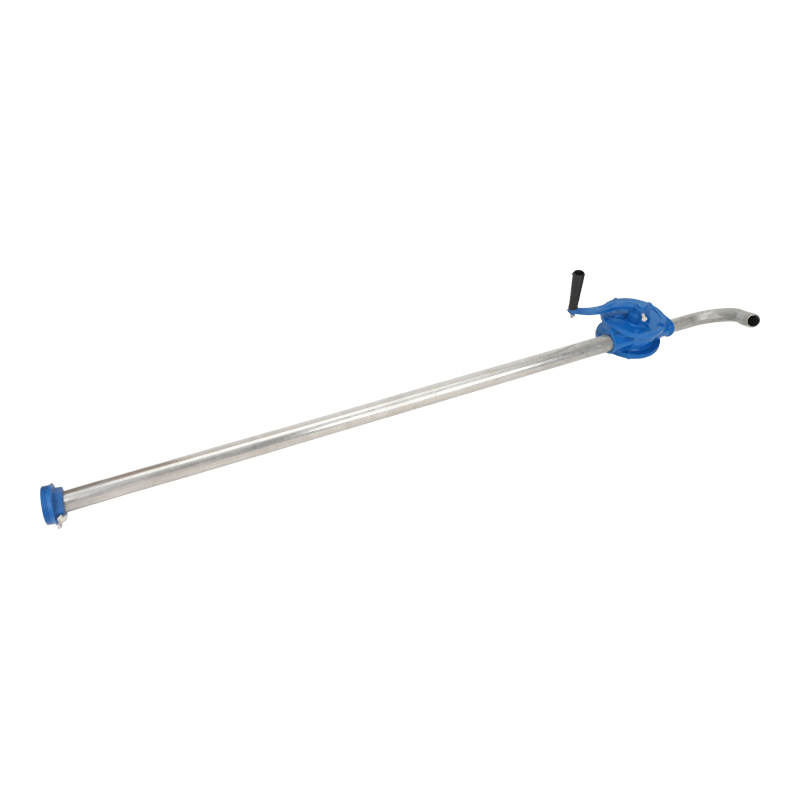
Problem: Difficulty dispensing oil. This may be due to a clogged bung or a viscous oil. Use a drum pump or warm the oil slightly if safe to do so.
Future Trends in Metal Oil Barrels
The metal oil barrel industry is evolving with new technologies and sustainability initiatives. Innovations include:
- Smart drums with RFID tags or sensors for tracking inventory and temperature.
- Lightweight steel drums that reduce material usage while maintaining strength.
- Improved corrosion-resistant coatings that extend barrel life.
- Enhanced recyclability and closed-loop recycling programs.
Frequently Asked Questions (FAQ)
What is the standard capacity of a metal oil barrel? The most common capacity is 55 gallons (208 liters). Other sizes include 30 gallons (114 liters), 20 gallons (76 liters), and 15 gallons (57 liters).
Can I store gasoline in a metal oil barrel? Yes, but the barrel must be UN/DOT-approved for flammable liquids and made of compatible materials. Use a red or yellow barrel and follow all safety regulations for flammable storage.
How do I clean a used metal oil barrel for reuse? Professional drum reconditioners use specialized cleaning methods, including high-pressure washing, solvent washing, and sandblasting. Home cleaning is not recommended due to the risk of contamination and safety hazards.
What is the lifespan of a metal oil barrel? With proper care, a steel barrel can last 10-15 years. Reconditioned drums may have a shorter lifespan depending on the extent of previous use.
Are metal oil barrels recyclable? Yes, steel drums are 100% recyclable. Many recycling centers accept them, and they are often made into new steel products.
Can I use a metal oil barrel for drinking water? No, unless the barrel is specifically manufactured for food-grade use and has not been used for oil. Ordinary oil barrels are not suitable for storing potable water.
How do I dispose of an empty metal oil barrel? After draining and rinsing (if appropriate), the barrel can be sold as scrap metal or returned to a drum reconditioner. Do not incinerate or landfill without proper authorization.
What is the difference between tight-head and open-head drums? Tight-head drums have fixed tops with bungs, while open-head drums have a removable lid secured with a ring. Tight-head is more common for liquids; open-head is for solids and pastes.
How should I lift and move a metal oil barrel? Use a drum dolly, hand truck, or forklift attachment. Never roll a barrel on its side unless it is designed for that purpose. Always lift with proper equipment and technique to avoid injury.
Do metal oil barrels need to be grounded? Yes, when transferring flammable liquids, grounding prevents static electricity buildup, which could ignite fumes.
What color is a standard oil barrel? Blue is a common color for lubricating oils, red for flammable liquids, and yellow for diesel. However, colors are not standardized; always check labels.
Can metal oil barrels be stored outside? Yes, but they should be protected from standing water and extreme weather. Use weatherproof covers or store in a sheltered area to prevent rust.
What is the weight of a full 55-gallon metal oil barrel? A full drum of oil weighs approximately 180-200 kg (400-440 lbs) including the barrel, depending on the oil's density.
Are metal oil barrels environmentally friendly? Yes, steel is highly recyclable, and reconditioning extends the useful life of drums, reducing overall environmental impact.
Final recommendation: A metal oil barrel remains an essential tool for safe, reliable storage and transportation of oils and lubricants. Its strength, durability, and compatibility with a wide range of fluids make it a superior choice for industrial and commercial applications. When selecting a barrel, consider the material, capacity, closure type, and lining to ensure it meets your specific needs. Follow proper handling, storage, and safety protocols to maximize the life of the barrel and protect both people and the environment. With the right care and maintenance, a metal oil barrel will serve you for years.