English
 中文简体
中文简体

In the demanding world of mechanical maintenance, the difference between seamless operation and catastrophic failure often comes down to the smallest details—specifically, how lubricants are applied and managed. Professional technicians rely on a specialized toolkit to ensure that every bearing, gear, and reservoir receives exactly what it needs. Among the most critical instruments in this arsenal are the Hand-Operated Grease Gun, the Lever grease gun, and the Oil suction gun. These tools are not merely accessories; they are precision-engineered devices designed to handle high-pressure delivery and delicate fluid transfers. This guide delves into the technical specifications and operational advantages of these essential lubrication products.
|
Product Category |
Primary Function |
Typical Pressure Range |
Common Applications |
|---|---|---|---|
|
Lever grease gun |
High-pressure grease injection |
6,000 - 10,000 PSI |
Heavy machinery, clogged fittings |
|
Hand-Operated Grease Gun |
General-purpose lubrication |
3,000 - 6,000 PSI |
Automotive, light industrial |
|
Oil suction gun |
Fluid extraction and transfer |
N/A (Vacuum-based) |
Differentials, gearboxes, sumps |
How Does the Lever Grease Gun Achieve Superior Pressure Performance?
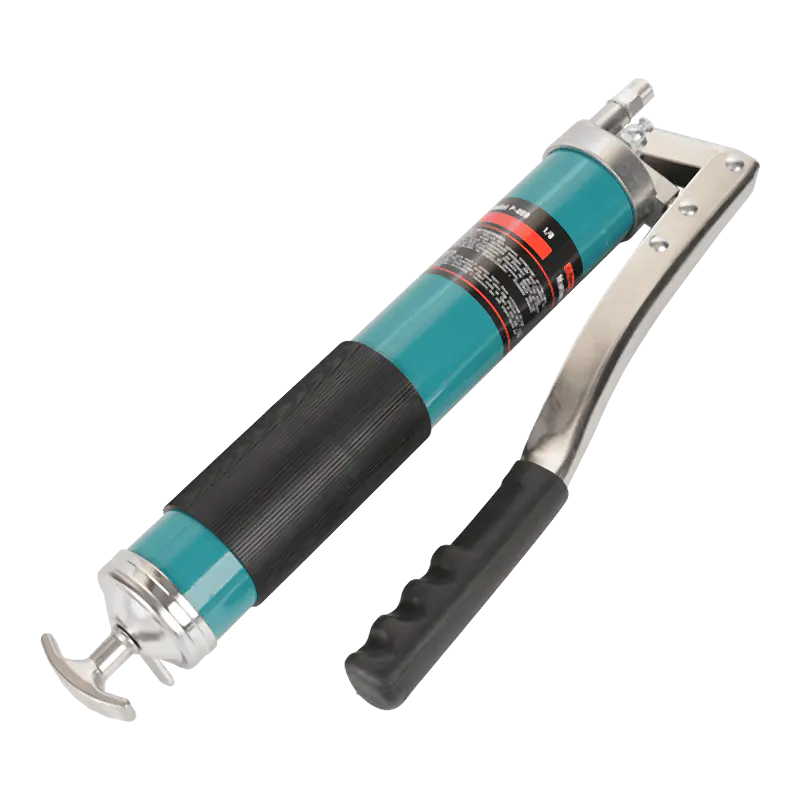
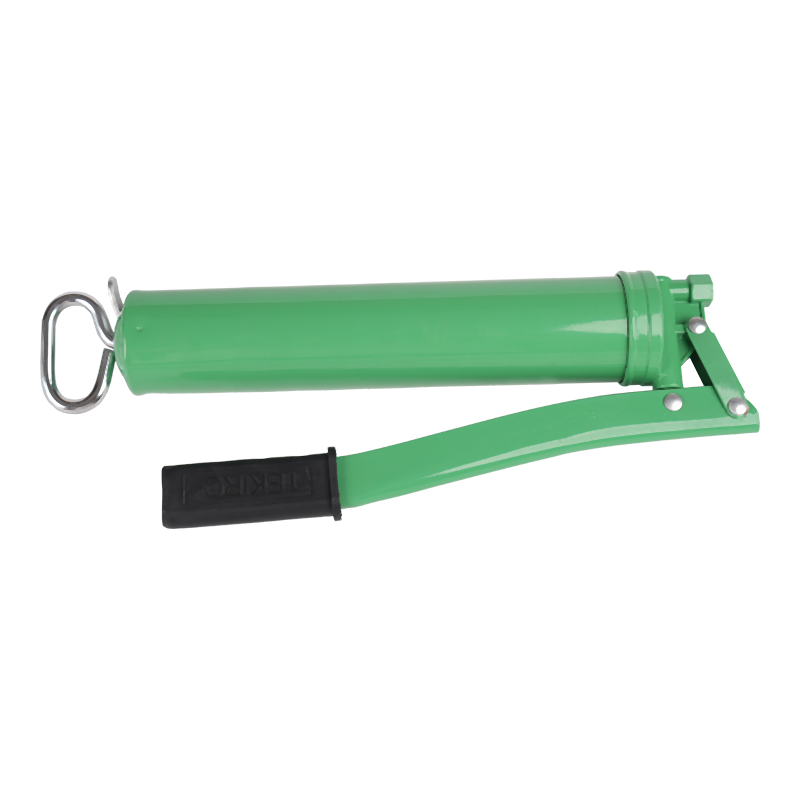
The Lever grease gun is widely regarded as the "workhorse" of the lubrication world. Its mechanical design utilizes a long lever handle that acts as a force multiplier, allowing the operator to generate massive amounts of pressure with relatively little physical effort. This is particularly vital when dealing with old machinery where grease may have hardened inside the pathways, or when working with high-viscosity lubricants that resist flow.
-
Mechanical Advantage and Structural Integrity: The design of a high-quality Lever grease gun focuses on a heavy-duty steel barrel and a reinforced plunger assembly. Because the lever allows for a full stroke, it moves a larger volume of grease per pump compared to other manual varieties. The structural integrity of the head—usually made from die-cast aluminum or heavy-duty steel—is tested to withstand back-pressure that would cause lesser tools to leak or fail. This makes it the preferred tool for construction sites and agricultural settings where equipment is large and fittings are often difficult to penetrate. The extra-long handle provides the leverage needed to overcome resistant seals, ensuring that the lubricant actually reaches the internal friction points rather than just piling up around the exterior of the fitting.
-
Versatile Loading and Air Bleeding Mechanisms: A professional Lever grease gun offers multiple loading options, including cartridge loading, bulk suction, or filler pump loading. One of the most significant features of modern units is the air bleeder valve. Trapped air is the enemy of consistent lubrication; by incorporating a robust bleeder valve, these tools ensure that every stroke of the lever results in a precise delivery of grease rather than a burst of air. This consistency is what prevents "dry" cycles that can lead to immediate wear on sensitive bearings. Technicians often prefer the lever-action specifically because it allows for a more controlled purge of air pockets during the loading process, maintaining a solid column of grease throughout the operation.
-
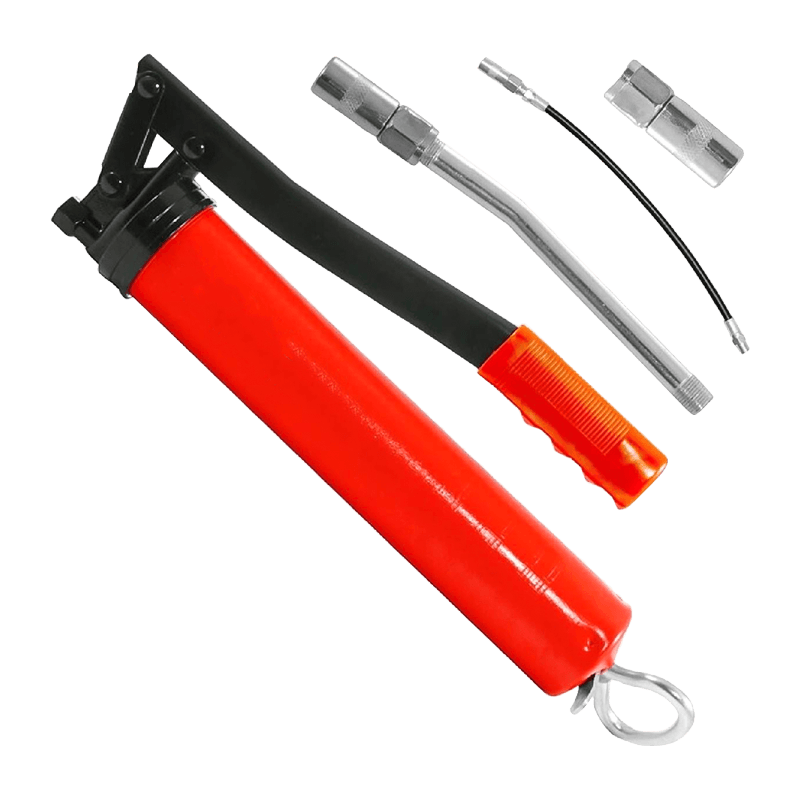
Coupler Technology and Reach: The effectiveness of the Lever grease gun is often defined by its attachment. Most units come with a four-jaw hydraulic coupler that grips the grease zerk tightly. When combined with high-pressure hoses or rigid extension pipes, the tool can reach deep into the chassis of a vehicle or the internal housing of a factory press. The secure connection ensures that the 10,000 PSI of pressure is directed entirely into the fitting, preventing the common "mess" associated with inferior lubrication tools. High-end models often include a 360-degree swiveling coupler, which is essential for accessing fittings that are angled away from the operator or obstructed by other mechanical components.
What Makes the Hand-Operated Grease Gun Essential for Daily Maintenance Tasks?
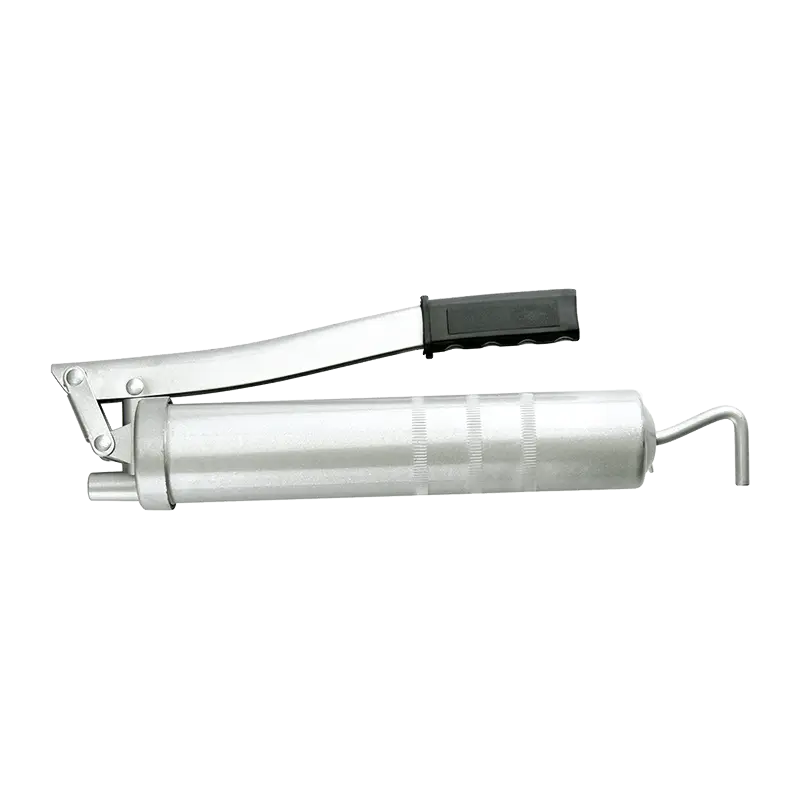
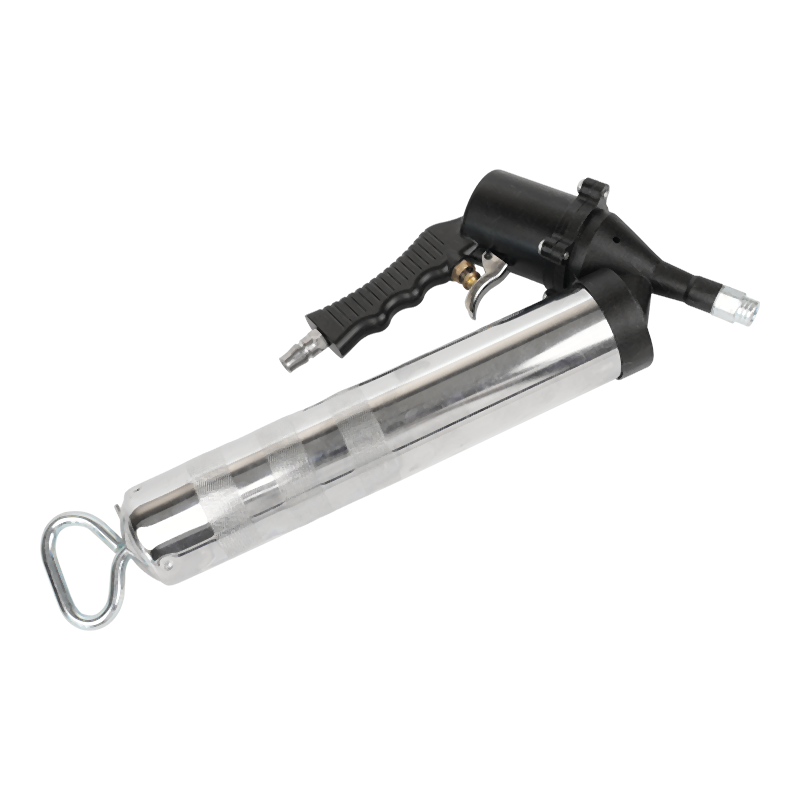
While high pressure is important, many daily tasks require a balance of speed, portability, and ease of use. The Hand-Operated Grease Gun category covers a variety of designs, including pistol-grip models and compact versions, designed for versatility across different sectors. This tool is the backbone of the automotive workshop and the residential garage alike, providing a reliable way to maintain everything from wheel bearings to door hinges.
-
Ergonomic Design for Single-Handed Operation: Many versions of the Hand-Operated Grease Gun are designed with a pistol-grip handle. This configuration is revolutionary for technicians who must navigate cramped engine bays or suspension systems. Being able to operate the pump with one hand while the other hand guides the hose onto the fitting significantly increases efficiency. The handles are typically coated in non-slip rubber or textured steel to ensure a firm grip even when the operator’s hands are slick with oil or sweat, ensuring safety and precision in every movement. This ergonomic focus reduces repetitive strain for workers who may have to service dozens of points on a single piece of equipment.
-
Precision Control and Volume Accuracy: Unlike automated systems, a Hand-Operated Grease Gun allows the user to feel the resistance of the grease as it enters the bearing. This tactile feedback is crucial for preventing "over-greasing," which can blow out seals and lead to premature component failure. By controlling the speed and force of the hand squeeze, a technician can deliver the exact amount of lubricant required by the manufacturer’s specifications. This level of control is why manual tools remain popular even in the age of battery-powered alternatives; the technician becomes part of the feedback loop, sensing blockages or seal failures immediately through the resistance felt in the handle.
-
Durability and Environmental Resistance: A high-quality Hand-Operated Grease Gun is built to survive in harsh environments. Whether it is exposed to the dust of a quarry or the salt of a maritime dock, the powder-coated or chrome-plated finish protects the tool from corrosion. Internally, precision-ground pistons ensure a tight seal for years of service. For those who manage a variety of equipment, having several dedicated hand-operated guns—each loaded with a different type of grease (e.g., lithium, molybdenum, or marine grade)—is a standard practice to avoid cross-contamination. The robust construction ensures that even if dropped on a concrete floor, the barrel maintains its roundness, which is vital for the smooth movement of the follower plate.
How Does the Oil Suction Gun Master the Challenge of Fluid Transfers?
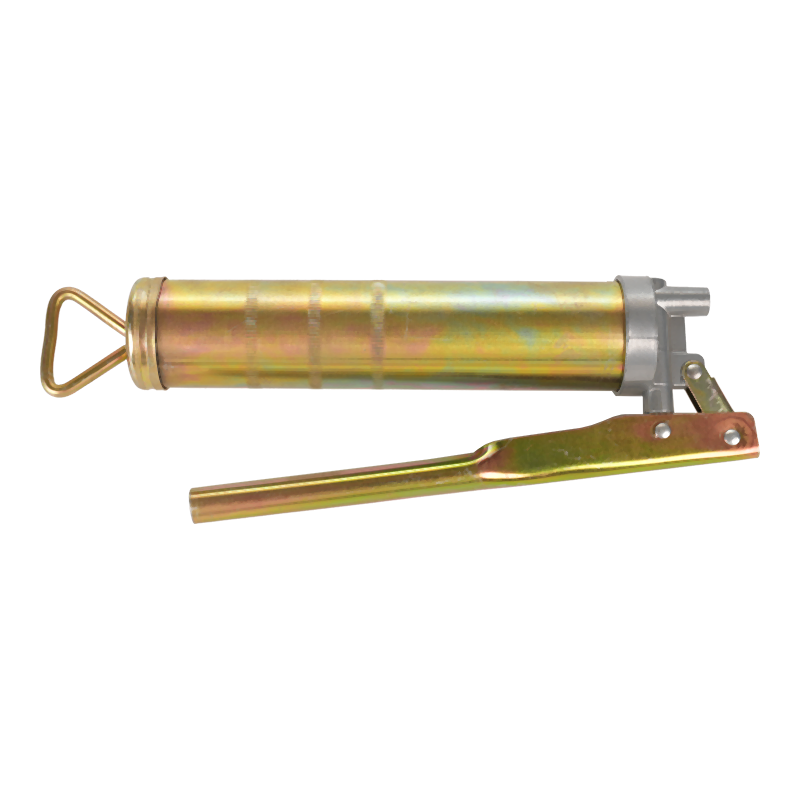
In many mechanical systems, the challenge isn't just adding lubricant, but removing old or excess fluid from areas that lack a traditional drain plug. This is where the Oil suction gun becomes indispensable. Designed like a large syringe, it uses vacuum pressure to draw fluids into its barrel, making it the primary tool for servicing gearboxes, transmissions, and differentials where access is limited to a single fill-port.
-
Fluid Extraction and Filling Capabilities: The Oil suction gun is a dual-purpose tool. By pulling the T-handle plunger, the user can extract old, contaminated oil from a reservoir. Once the barrel is full, the fluid can be discharged into a waste container. Conversely, the gun can be filled with fresh gear oil or transmission fluid and used to pump it into a hard-to-reach port. This eliminates the need for messy funnels or gravity-fed tubes that are often impossible to position correctly in modern, compact vehicle designs. The high-capacity barrels typically found in professional models allow for significant fluid movement in a single pass, reducing the time required for a complete fluid swap.
-
Robust Construction and Chemical Compatibility: Because it deals with a wide range of liquids—from thin motor oils to thick 80W-90 gear oils—the Oil suction gun must have a superior internal seal. Most professional models feature a heavy-duty plunger with a dual-lip seal made of oil-resistant rubber. The barrel is typically constructed of thick-walled steel to prevent denting, which would ruin the vacuum seal. Furthermore, the clear flexible hoses often provided with these guns allow the technician to inspect the fluid for metal shavings or discoloration during the extraction process, serving as a diagnostic step during routine maintenance. The durability of the internal components ensures that the vacuum strength remains consistent even after hundreds of cycles of pulling abrasive, used fluids.
-
Simplifying Complex Fluid Changes: Consider the task of changing the fluid in a rear differential. Often, there is only a side-mounted fill plug and no bottom drain. Without an Oil suction gun, the technician would have to remove the entire differential cover—a time-consuming and messy process that requires a new gasket. With the suction gun, the hose is simply inserted into the fill hole, and the old oil is sucked out in seconds. This efficiency not only saves time but also reduces the environmental risk of oil spills in the workshop. The simplicity of the vacuum mechanism ensures that there are no complex valves to clog, making it one of the most reliable tools in any fluid management kit.