English
 中文简体
中文简体

The efficient management of lubricants, fuels, and industrial chemicals requires specialized equipment that can handle varying viscosities and environmental conditions. Among the most versatile tools in this category is the hand-operated oil pump, which serves as a critical bridge between bulk storage containers and the machinery that requires lubrication. These manual devices are designed to provide a controlled and safe method for moving fluids without the need for electrical power or compressed air. In environments ranging from remote construction sites to high volume automotive workshops, the manual oil pump offers a level of reliability and simplicity that modern automated systems often struggle to match. By examining the mechanical principles, material constructions, and operational benefits of these tools, it becomes evident why they remain a fundamental asset in fluid handling infrastructure.
The Fundamental Mechanics and Engineering of Manual Fluid Transfer Systems
To understand the effectiveness of a hand-operated oil pump, one must first explore the physics of fluid dynamics and the mechanical advantages used to overcome gravity and fluid friction. At its core, a manual pump is a machine that converts human kinetic energy into fluid pressure. This is achieved through the creation of a pressure differential between the interior of the pump housing and the atmospheric pressure acting on the fluid inside the storage vessel.
Principles of Vacuum Creation and Atmospheric Pressure in Piston Pumps
The piston style hand-operated oil pump is perhaps the most common variation used for basic fluid transfer. This device operates on a reciprocating motion where a handle is pulled upward to create a vacuum within a cylinder. As the piston rises, the volume inside the chamber increases, causing the internal pressure to drop below the level of the surrounding atmosphere. This pressure imbalance forces the oil to rise through the suction tube and enter the pump body.
When the user pushes the handle downward, the piston compresses the fluid. A series of check valves, which are one way mechanical gates, ensure that the oil is directed out through the discharge spout rather than back down into the drum. The efficiency of this process is highly dependent on the quality of the seals around the piston. High quality pumps utilize precision machined components and durable gaskets to maintain a tight vacuum, allowing the user to prime the pump quickly and move fluids with minimal effort. This mechanical simplicity makes the piston pump an ideal choice for intermittent use where speed is less important than ease of operation.
Understanding the Internal Workflow of Rotary Hand Pumps
For applications requiring a more continuous and higher volume flow, the rotary hand-operated oil pump is the preferred engineering solution. Instead of a reciprocating piston, this design utilizes a rotating vane or gear assembly located within a circular housing. As the user turns a crank handle, the internal vanes capture a specific volume of oil and sweep it from the inlet to the outlet in a smooth, circular motion.
The rotary design is particularly effective because it eliminates the wasted motion associated with the return stroke of a piston pump. Every rotation of the handle results in a consistent delivery of fluid, making it much faster for filling large reservoirs or transferring fuel. The internal geometry of the rotary pump is designed to handle fluids of various weights, and the mechanical advantage provided by the crank handle allows for the movement of heavier oils that might be difficult to process with a simple lever action device. This continuous flow characteristic reduces the physical strain on the operator and provides a more stable stream of fluid, which is essential for preventing splashes and ensuring accurate measurements.
Selecting the Right Hand-operated Oil Pump for Specific Industrial Applications
Not all manual pumps are created equal, and the selection process must account for the specific characteristics of the fluid being moved as well as the volume requirements of the task. Choosing the wrong type of equipment can lead to premature mechanical failure or, in some cases, dangerous chemical reactions between the fluid and the pump materials.
Evaluating Lever Action Pumps for High Viscosity Lubricants
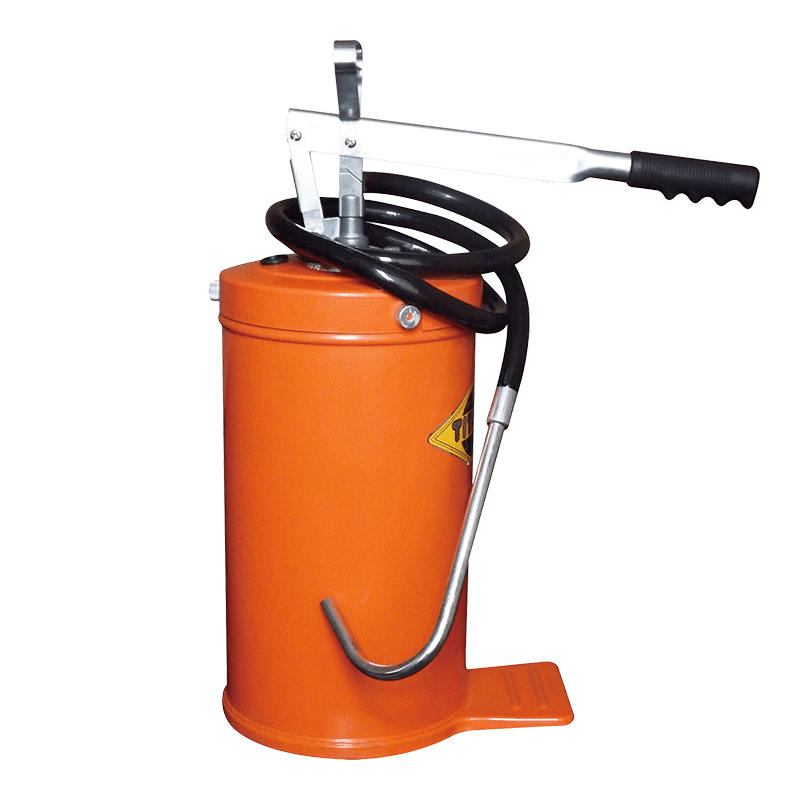
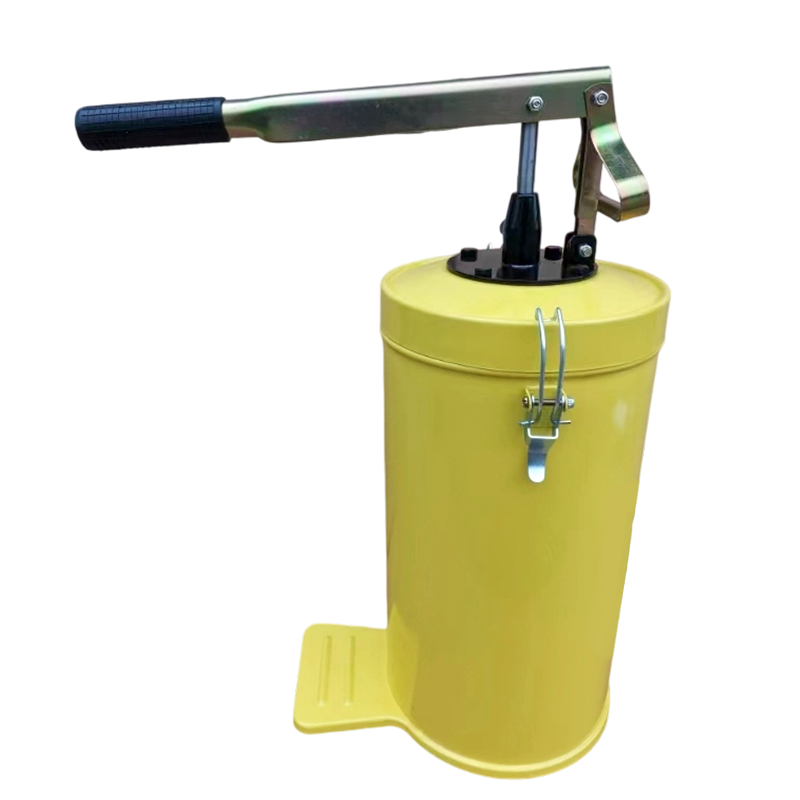
Heavy lubricants, such as gear oils and thick hydraulic fluids, present a challenge due to their high resistance to flow. For these substances, a lever action hand-operated oil pump is often the most effective tool. The long lever handle provides a significant mechanical advantage, allowing the user to apply a large amount of force to the piston with relatively little physical exertion. This is vital when dealing with cold oils or high weight lubricants that have become thick due to low ambient temperatures.
These pumps are typically designed with a larger diameter suction tube and reinforced internal valves to handle the increased pressure required to move viscous liquids. The lever action also allows for very precise dispensing, as the operator can control the exact distance the piston travels. This level of control is important when topping off delicate machinery where overfilling could lead to seal damage or operational issues. By utilizing a lever system, the hand-operated oil pump becomes a precision instrument capable of handling the toughest fluids in a workshop environment.
Performance Characteristics of Rotary Vane Pumps for High Volume Transfer
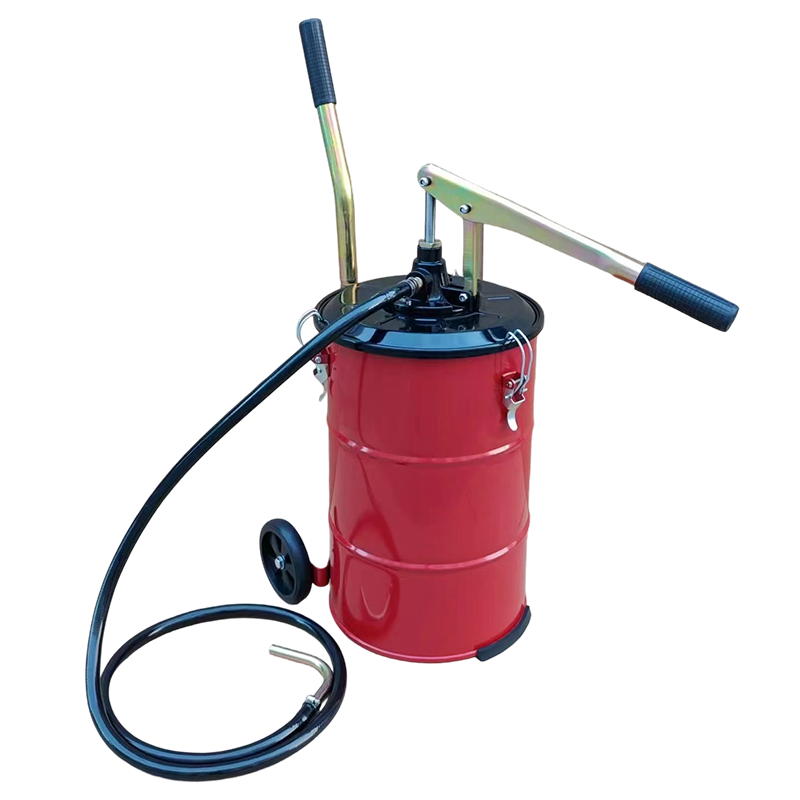
In contrast to the precision of the lever pump, the rotary vane hand-operated oil pump is built for speed and volume. When a technician needs to empty a fifty five gallon drum of diesel fuel or light motor oil, the rotary pump is the most efficient manual option. The internal rotor typically features two or three vanes that create a continuous seal against the pump wall, ensuring that the fluid moves as soon as the handle begins to turn.
The high volume output of these pumps makes them a staple in agricultural and construction settings where refueling equipment in the field is a daily necessity. Many rotary pumps are equipped with a reversible flow feature, allowing the user to either pump fluid out of a container or siphon it back in by simply reversing the direction of the crank. This versatility is highly valued in maintenance scenarios where fluid needs to be removed from a machine for service and then replaced afterward. The robust nature of the rotary vane design ensures that it can withstand the rigors of outdoor use, providing a dependable solution where power tools are unavailable.
Critical Material Compatibility and Chemical Resistance of Hand Pump Components
One of the most important factors in the longevity of a hand-operated oil pump is the material used in its construction. Because oil pumps are often used to move aggressive chemicals, solvents, or additives, the metal and rubber components must be chemically inert relative to the fluid. Failure to match the pump material with the fluid can result in the swelling of seals, the corrosion of the pump body, or the contamination of the oil itself.
The Importance of Seal Materials in Preventing Leaks and Degradation
The seals and gaskets are the most vulnerable parts of any pumping system. Standard oil pumps often use Nitrile or Buna N seals, which are excellent for petroleum based products like motor oil, diesel, and hydraulic fluid. These materials provide a flexible yet durable barrier that prevents leaks and maintains the internal vacuum necessary for suction. However, if these same seals are exposed to certain solvents or synthetic lubricants, they may harden or dissolve, rendering the pump useless.
For more aggressive fluids, manufacturers offer hand-operated oil pumps equipped with Viton or Teflon seals. These materials are known for their exceptional resistance to a wide range of chemicals and high temperatures. While these specialized seals may increase the initial cost of the pump, they are a necessary investment for any operation that handles diverse types of fluids. Ensuring that the seals remain intact is not just a matter of pump performance but also of safety, as a leaking pump can create slip hazards or lead to the accidental release of hazardous materials into the environment.
Utilizing Aluminum and Cast Iron for Heavy Duty Structural Integrity
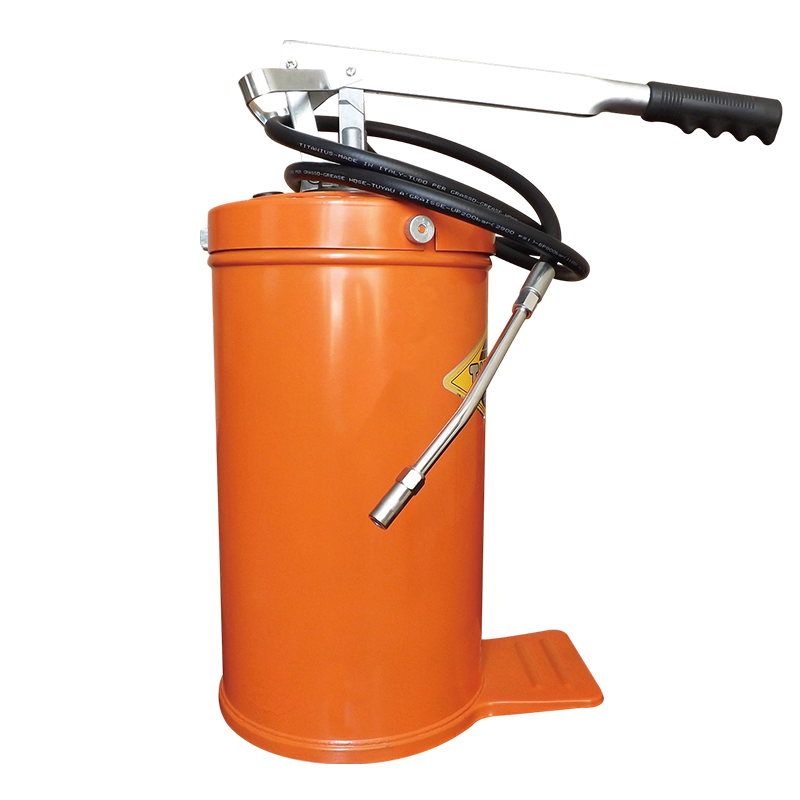
The body of the hand-operated oil pump must be strong enough to withstand internal pressure and external impacts. Cast iron is a traditional choice for heavy duty pumps because of its extreme durability and resistance to wear. A cast iron pump is often heavy, which provides stability when it is mounted on a large drum. The natural lubricity of cast iron also benefits the internal moving parts, reducing friction and extending the life of the pump.
Aluminum is an alternative material that offers a high strength to weight ratio. An aluminum hand-operated oil pump is much easier to transport and install, making it a favorite for mobile service trucks or for users who need to move the pump between different containers frequently. Aluminum is also naturally resistant to atmospheric corrosion, which is a major advantage for pumps used in outdoor or marine environments. Some high end pumps are even manufactured from stainless steel or specialized plastics like polypropylene to handle highly corrosive acids or food grade oils, demonstrating the incredible range of materials available to meet modern industrial needs.
Operational Efficiency and Ergonomic Design in Manual Pumping Systems
Efficiency in manual pumping is not just about the internal mechanics but also about the interaction between the tool and the operator. A well designed hand-operated oil pump incorporates ergonomic features that reduce physical strain and improve the overall user experience, ensuring that the task of fluid transfer is as quick and painless as possible.
Reducing User Fatigue through Optimized Lever Ratios and Handle Design
User fatigue is a significant factor in manual labor, and a poorly designed pump can quickly lead to soreness or repetitive strain injuries. Engineers address this by optimizing the lever ratio of the pump handle. By extending the length of the handle or adjusting the pivot point, manufacturers can decrease the amount of force required to move the piston. This allows the operator to maintain a steady pace without becoming exhausted, which is especially important during large scale fluid transfers.
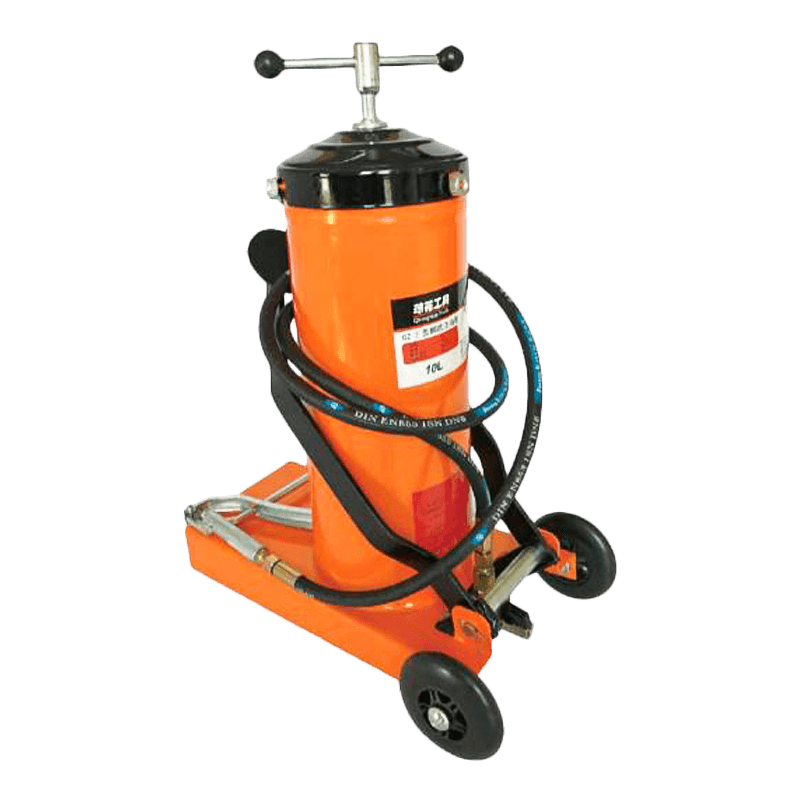
The handle itself is often covered with a non slip, ergonomic grip made of rubber or high density plastic. This provides a comfortable surface for the hand and ensures that the user can maintain a secure hold even if their hands are covered in oil. Some models feature a D shaped handle or a T handle to allow for different grip styles, catering to the preferences of various operators. These small design choices have a massive impact on the daily productivity of a technician, turning a potentially difficult chore into a streamlined process.
Features of Adjustable Suction Tubes for Various Container Depths
Containers for oil and fuel come in many different sizes, from small five gallon pails to massive two hundred liter drums. A fixed length suction tube would limit the utility of a hand-operated oil pump to only one type of container. To solve this, quality pumps are equipped with telescopic suction tubes or modular extension pipes.
The telescopic tube can be adjusted to reach the very bottom of any standard drum, ensuring that no fluid is wasted. This is particularly important when dealing with expensive synthetic oils or specialized additives where every drop counts. Furthermore, a properly fitted suction tube prevents the pump from drawing in air, which can cause cavitations and loss of prime. The ability to adapt the pump to different storage vessels makes it a truly universal tool, allowing a single hand-operated oil pump to serve multiple roles within a workshop or industrial facility.
Comparing Manual Pumping Solutions with Powered Fluid Transfer Alternatives
While electric and pneumatic pumps offer high speed and automated operation, the hand-operated oil pump remains a superior choice for many scenarios. The comparison between manual and powered systems highlights the trade offs between speed, cost, and reliability.
|
Feature |
Hand-operated Oil Pump |
Electric Oil Pump |
Pneumatic Oil Pump |
|---|---|---|---|
|
Power Requirement |
Manual human effort |
Electrical outlet or battery |
Compressed air supply |
|
Portability |
Exceptionally high and lightweight |
Moderate and requires cables |
Low and requires air hoses |
|
Initial Cost |
Low and very affordable |
High investment required |
Moderate to high cost |
|
Maintenance |
Minimal cleaning and seal checks |
Complex motor and wiring care |
Requires air line lubrication |
|
Risk of Ignition |
Zero risk in explosive areas |
Requires expensive proofing |
Generally safe but requires air |
|
Setup Time |
Instantaneous and tool free |
Requires cable routing and setup |
Requires air compressor setup |
Situational Advantages of Hand Operated Systems in Remote Locations
In remote areas such as mining sites, forestry operations, or offshore platforms, a reliable power source is not always guaranteed. In these environments, the hand-operated oil pump is an indispensable piece of equipment. It does not require batteries that can go dead or electrical cords that can be damaged by heavy machinery. The independence provided by a manual pump ensures that critical maintenance can be performed regardless of the availability of local infrastructure.
Furthermore, manual pumps are inherently spark free, which is a vital safety feature when transferring flammable liquids like diesel or kerosene. While specialized explosion proof electric pumps exist, they are extremely expensive and heavy. A standard hand-operated oil pump provides a safe and cost effective way to manage fuel in hazardous zones without the need for complex safety certifications or grounding systems. This inherent safety makes manual pumps a primary choice for emergency backup systems and field service kits.
Reliability and Low Maintenance Requirements of Non Electric Tools
The complexity of powered pumps brings with it a higher likelihood of mechanical failure. Electric motors can burn out, batteries lose their ability to hold a charge over time, and pneumatic seals can leak air. A hand-operated oil pump, however, has very few moving parts and no sensitive electronics. This simplicity translates into a tool that is ready to work whenever it is needed, even after being stored for months in a damp or dusty environment.
Maintenance for a manual pump is usually limited to a quick visual inspection of the seals and an occasional cleaning of the suction strainer. Because there are no motors to overheat or wires to short circuit, the pump can be used continuously without fear of breakdown. For businesses that prioritize uptime and low operational costs, the reliability of a manual pumping system provides a level of peace of mind that automated systems cannot match. The long term durability of a well built hand-operated oil pump ensures that it will remain a productive part of the tool inventory for many years.
Best Practices for the Installation and Maintenance of Manual Oil Dispensers
To maximize the lifespan and efficiency of a hand-operated oil pump, users must follow proper procedures for installation and ongoing care. While these tools are designed for rugged use, a small amount of attention to detail can prevent common issues such as loss of prime, leaking joints, and fluid contamination.
Proper Priming Techniques to Ensure Immediate Fluid Flow
One of the most common frustrations with manual pumps is the loss of prime, which occurs when air enters the pump body and prevents the vacuum from forming. To prevent this, it is essential to ensure that all connections between the suction tube and the pump body are airtight. Using a small amount of thread sealant or PTFE tape on the joints can help create a perfect seal.
When starting a new transfer, the operator should perform a series of short, quick strokes to evacuate the air from the suction tube. Once the oil reaches the internal chamber, the resistance on the handle will increase, indicating that the pump is primed. For very thick oils, it can be helpful to pour a small amount of the fluid into the pump head before beginning, which helps create an initial seal around the piston or vanes. Once the prime is established, a steady and consistent stroke will maintain the flow and prevent air from being drawn back into the system.
Cleaning and Storage Protocols to Prevent Cross Contamination
In many workshops, a single hand-operated oil pump may be used for different types of fluids. Cross contamination is a serious risk that can lead to engine failure or damaged hydraulic systems if, for example, gear oil is mixed with motor oil. To avoid this, the pump must be thoroughly cleaned between uses. This is typically done by pumping a small amount of cleaning solvent or a compatible light oil through the system to flush out any residue.
When the pump is not in use, it should be stored in a clean, dry location. Many pumps come with a built in holster or a spout cap to prevent dust and debris from entering the discharge opening. If the pump is left on a drum, the bung adapter should be tightened to prevent moisture from entering the storage container. Hanging the pump on a wall rack or placing it in a dedicated storage cabinet will protect the fragile suction tube from being bent or damaged. By treating the hand-operated oil pump with the same respect as any other precision tool, owners can ensure that it continues to provide reliable service for the entire duration of its mechanical life.
The utility of a hand-operated oil pump extends far beyond simple fluid transfer. It represents a commitment to reliability, safety, and efficiency in the most demanding environments. Whether it is used for daily maintenance in a professional garage or as a critical tool in a remote field operation, the manual oil pump provides a level of control and independence that is essential for modern industry. By selecting high quality materials, understanding the mechanical principles at play, and following a consistent maintenance routine, users can master the art of fluid management and ensure that their machinery remains perfectly lubricated and operational at all times.