English
 中文简体
中文简体

The consistent maintenance of mechanical systems relies heavily on the precise application of lubricants to reduce friction, dissipate heat, and prevent premature wear of moving parts. Among the various tools available for this task, the lever grease gun remains one of the most reliable and widely utilized instruments in both professional workshops and industrial settings. This manual device is engineered to provide the high pressure necessary to force thick grease into bearings, joints, and bushings that are otherwise inaccessible. While automated and battery powered options have entered the market, the simplicity, durability, and tactile feedback provided by a traditional lever action grease gun make it an indispensable asset for any technician who prioritizes operational efficiency and equipment longevity. Understanding the mechanical principles, material construction, and practical advantages of this tool is essential for anyone involved in heavy machinery or automotive maintenance.
The Mechanical Principles and Engineering of Lever Action Lubrication
To appreciate why a lever grease gun is so effective, one must explore the mechanical advantage that its design provides to the operator. The tool operates on a basic principle of leverage where a long handle is used to actuate a internal piston, creating the pressure required to move viscous lubricants through a delivery system.
Physics of Pressure Generation in Manual Grease Guns
The core functionality of a lever grease gun is centered on the relationship between the force applied to the handle and the pressure generated at the nozzle. When the operator pulls the lever toward the body of the gun, a mechanical linkage amplifies the input force and transfers it to a precision machined piston. This piston moves within a high pressure cylinder, compressing the grease and forcing it through a check valve.
Because the handle is significantly longer than the distance from the pivot point to the piston rod, the operator can generate substantial pressure with relatively little physical effort. Most high quality lever grease guns are capable of producing between six thousand and ten thousand pounds per square inch of pressure. This high pressure is vital for clearing blocked grease fittings or ensuring that fresh lubricant reaches the very center of a tightly packed bearing assembly. The manual nature of the tool allows the technician to feel the resistance of the grease as it flows, providing a level of control that automated tools often lack.
Components of the High Pressure Delivery System
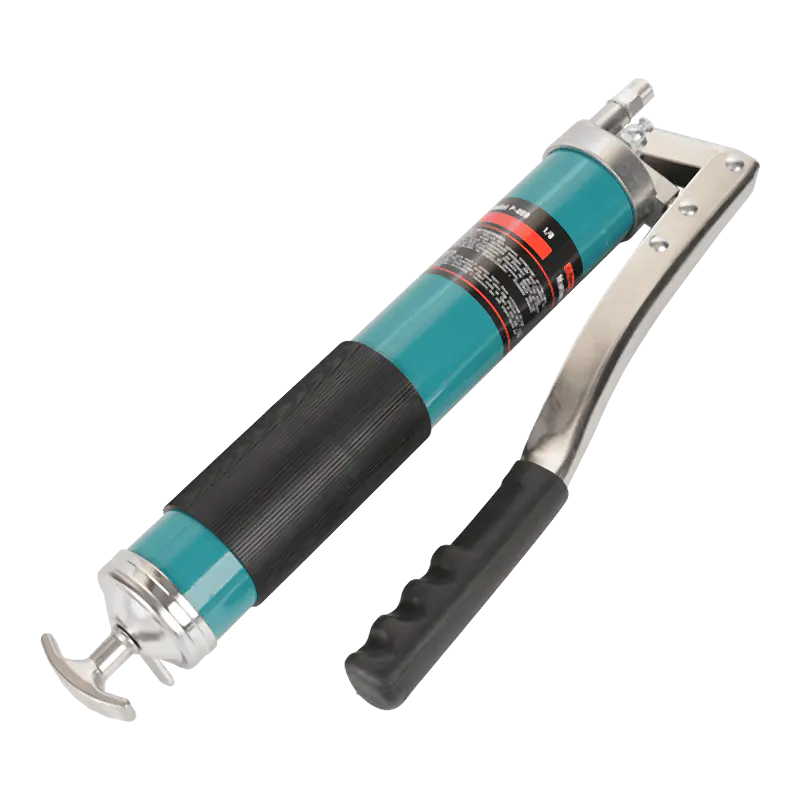
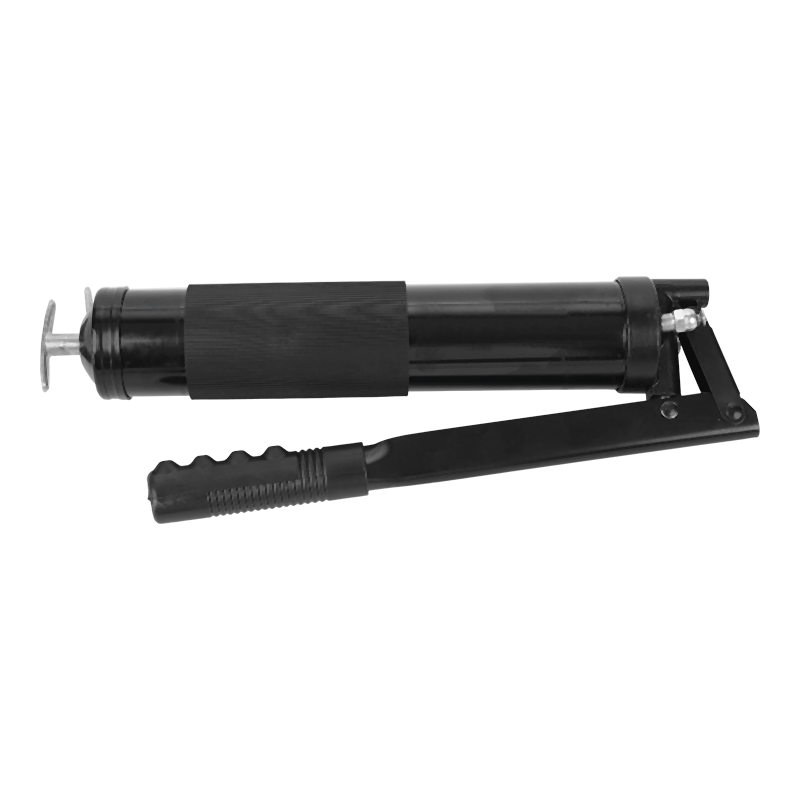
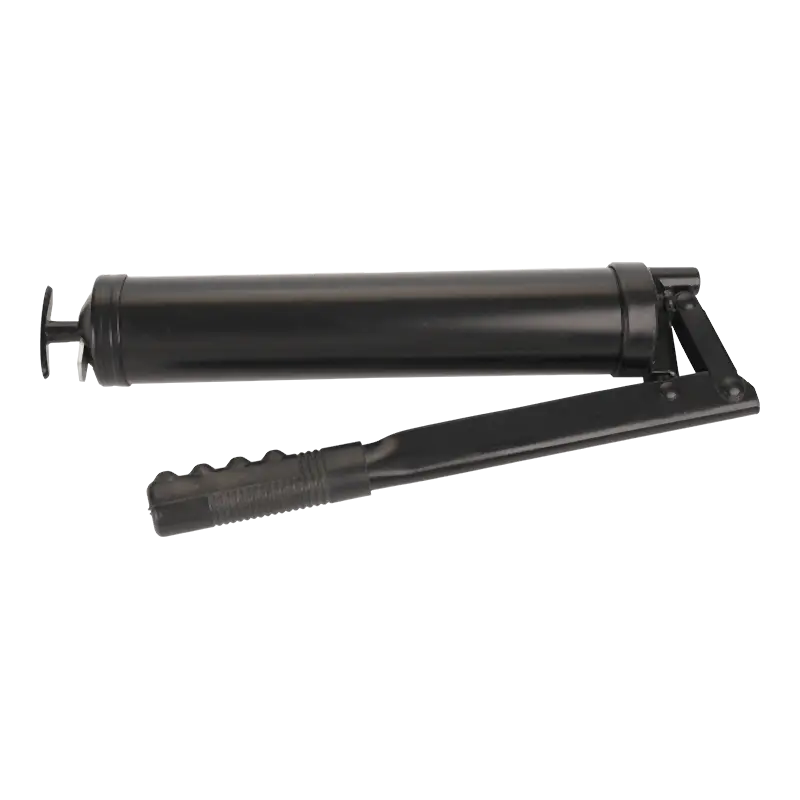
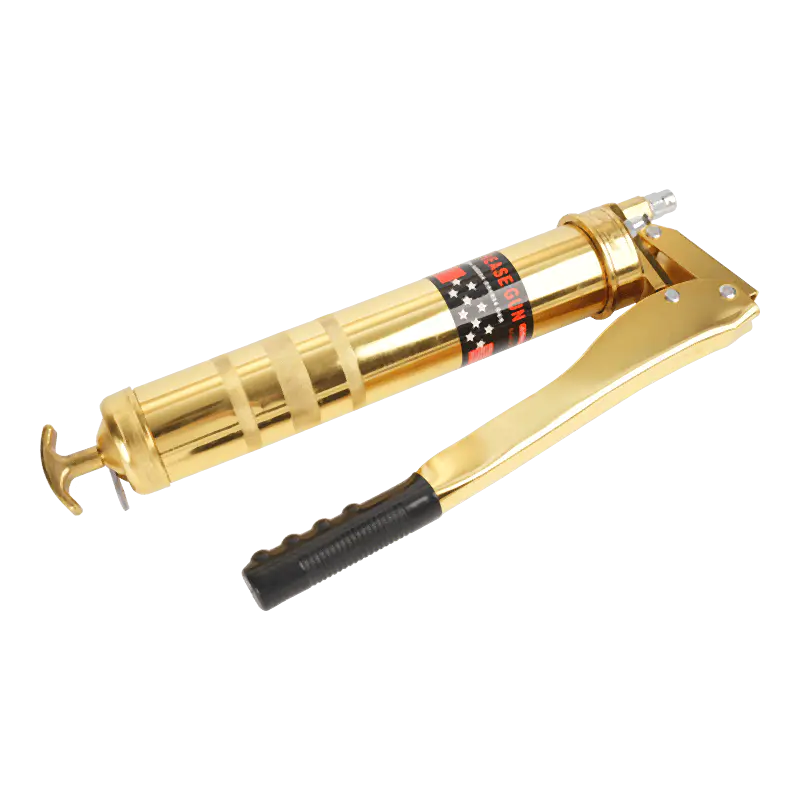
A professional grade lever grease gun consists of several critical components that must work in unison to ensure a leak free operation. The main reservoir is a cylindrical tube that holds either a standard grease cartridge or bulk lubricant. Inside this tube, a spring loaded follower plate exerts constant pressure on the grease, pushing it toward the pump head to ensure a continuous supply.
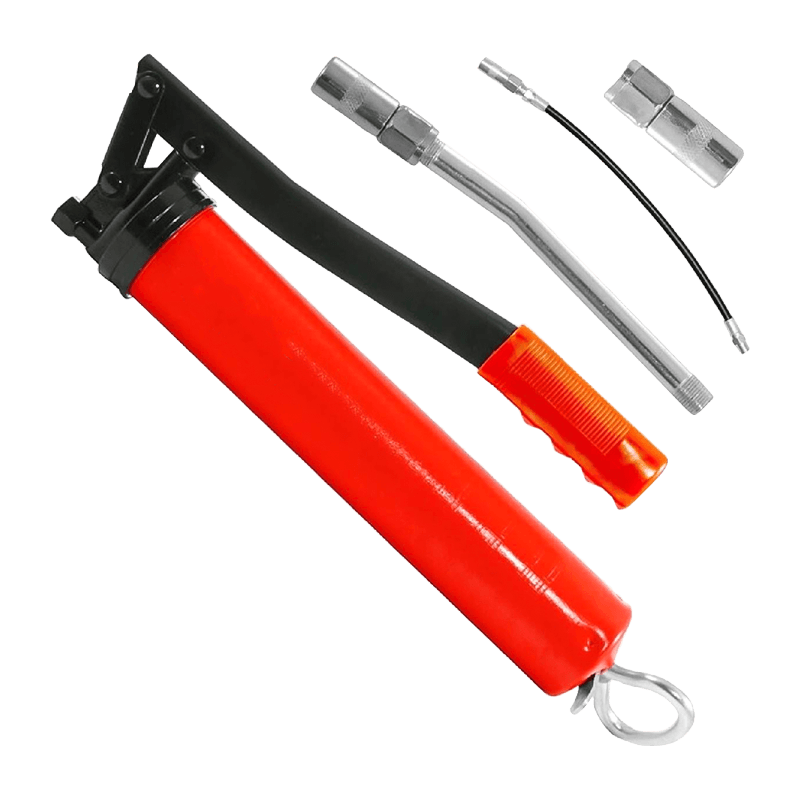
The pump head contains the piston assembly and the check valves that prevent the grease from flowing back into the reservoir when the lever is released. Attached to the head is the delivery hose or rigid pipe, which terminates in a grease gun coupler. This coupler is designed to snap onto a grease fitting, creating a secure and airtight seal. The quality of these components, particularly the precision of the piston and the strength of the internal springs, determines the overall reliability and service life of the tool.
Comparing Lever Grease Guns with Alternative Lubrication Tools
When selecting a tool for lubrication tasks, technicians often compare the lever grease gun against pistol grip models and powered alternatives. Each design has its own strengths, but the lever action remains the primary choice for heavy duty applications where maximum pressure and reliability are required.
Lever Action versus Pistol Grip Designs in Professional Settings
The primary difference between a lever grease gun and a pistol grip grease gun lies in the ergonomics and the amount of pressure they can generate. A pistol grip model is designed for one handed operation, which is convenient when the technician needs to use their other hand to hold a hose or steady themselves on a piece of machinery. However, the shorter stroke and smaller mechanical advantage of the pistol grip mean that it generally produces lower pressure than a lever model.
A lever grease gun requires two hands to operate effectively, but the increased leverage allows for a much higher output per stroke. This makes the lever model far more efficient for lubricating large components that require a significant volume of grease, such as those found in construction equipment or heavy industrial plants. The ability to generate high pressure also ensures that the tool can overcome the resistance of old, hardened grease that might clog a fitting, a task that a pistol grip gun may struggle to complete.
Advantages Over Pneumatic and Battery Powered Systems
While pneumatic and battery powered grease guns offer the convenience of effortless operation, they come with a set of trade offs that often favor the manual lever grease gun in specific scenarios. Powered tools require a constant energy source, whether it is a compressed air line or a charged battery, which can be a limitation in remote field operations or mobile service trucks.
Furthermore, manual grease guns are inherently simpler and more robust. There are no motors to burn out, no electronic circuits to fail, and no batteries that degrade over time. In harsh environments characterized by extreme temperatures, dust, and moisture, the manual lever grease gun continues to function without issue. The level of tactile feedback is also a significant advantage, as the operator can immediately sense if a fitting is blocked or if the grease reservoir is empty, preventing wasted time and potential damage to the machinery being serviced.
|
Performance Attribute |
Lever Grease Gun |
Pistol Grip Grease Gun |
Battery Powered Grease Gun |
|---|---|---|---|
|
Maximum Pressure Output |
Exceptionally high for heavy duty tasks |
Moderate for general maintenance |
Consistent and high but limited by battery |
|
Maneuverability and Ease |
Requires two hands for full leverage |
Easy one handed operation |
Heavy but eliminates manual pumping |
|
Portability and Range |
Unlimited as it needs no power source |
Unlimited and lightweight |
Limited by battery life and charging |
|
Tactile Feedback |
High level of control and sensitivity |
Moderate feel for grease flow |
Minimal feedback through the trigger |
|
Initial Investment |
Affordable and long lasting |
Low cost for basic models |
High cost for motors and batteries |
|
Maintenance Needs |
Minimal cleaning and seal checks |
Simple maintenance and care |
Complex motor and battery care |
Material Science and Construction of Heavy Duty Grease Guns
The durability and performance of a lever grease gun are directly related to the materials used in its manufacturing. Because the tool must withstand high internal pressures and rough handling in industrial environments, the choice of metals and seal materials is a critical engineering consideration.
Utilizing Steel and Aluminum for Structural Integrity
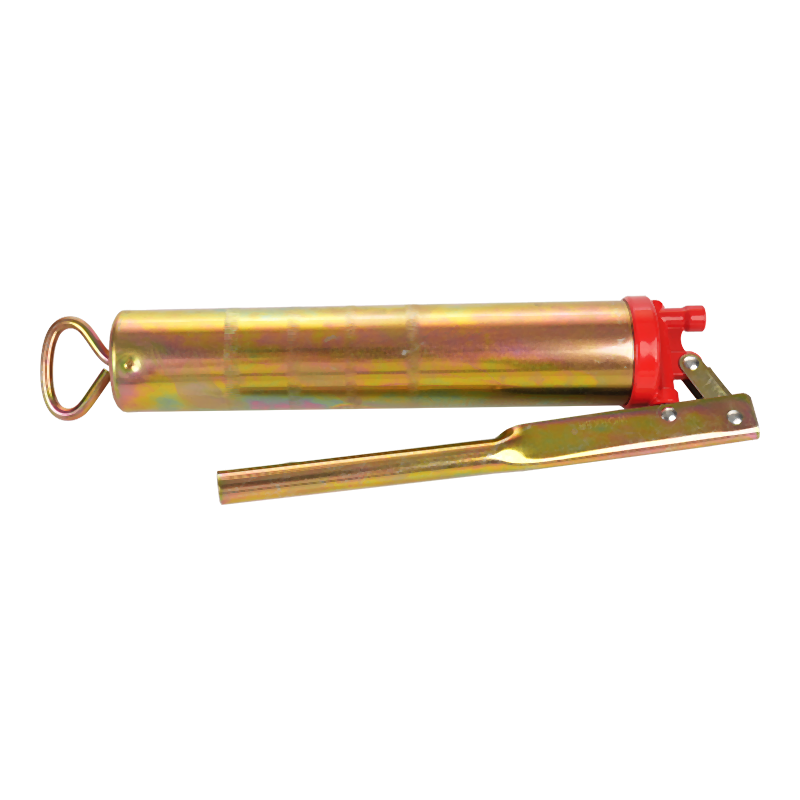
Most professional lever grease guns are constructed with a barrel made of either high grade steel or heavy duty aluminum. Steel barrels provide the ultimate in durability and are often finished with a powder coating or chrome plating to prevent corrosion. These barrels are resistant to dents and can withstand the pressure generated by the internal follower spring without deforming.
Aluminum barrels are a popular alternative because they significantly reduce the overall weight of the tool without sacrificing much strength. An aluminum grease gun is much easier to carry during long shifts or when climbing onto large structures like wind turbines or crane assemblies. Many high end models feature knurled surfaces on the barrel, which provides a non slip grip even if the technician's hands are covered in oil or grease. This attention to structural detail ensures that the tool remains a reliable part of the inventory for many years.
The Role of Precision Seals in Pressure Maintenance
The ability to maintain high pressure without leaking is the hallmark of a high quality lubrication tool. This is achieved through the use of precision machined components and high performance seal materials. The internal piston must fit perfectly within the cylinder to prevent grease from bypassing the seal, which would result in a loss of pressure and a messy operation.
Manufacturers typically use oil resistant synthetic rubbers like Nitrile or Buna N for the gaskets and seals. These materials are chosen for their ability to maintain their shape and elasticity when exposed to petroleum based lubricants and synthetic greases. Some specialized lever grease guns designed for extreme temperatures may utilize Viton seals, which offer superior resistance to heat and chemical degradation. Ensuring that these seals remain in good condition is vital for the safety of the operator and the efficiency of the lubrication process.
Practical Applications in Industrial and Agricultural Sectors
The versatility of the lever grease gun makes it a standard tool across a wide variety of sectors. Its ability to deliver precise amounts of grease under high pressure is essential for the smooth operation of everything from a small automotive engine to a massive industrial assembly line.
Industrial Machinery and Manufacturing Maintenance
In a manufacturing plant, downtime is extremely costly, and equipment failure often stems from improper lubrication. Industrial technicians use lever grease guns to service conveyors, electric motors, and hydraulic presses on a regular schedule. The high pressure capability of the tool is especially important for lubricating large roller bearings that support heavy loads, as the grease must be forced deep into the bearing race to be effective.
The manual nature of the lever grease gun allows for very precise dispensing, which is important in clean manufacturing environments where over greasing can lead to contamination of the products. By using a lever gun with a stroke control mechanism, a technician can ensure that each grease fitting receives exactly the amount of lubricant specified by the equipment manufacturer. This precision helps prevent seal damage and ensures that the machinery operates at peak efficiency.
Agricultural Equipment and Remote Field Operations
Farmers and agricultural technicians rely heavily on lever grease guns to maintain tractors, harvesters, and irrigation systems. These machines operate in some of the most challenging environments, where they are constantly exposed to dirt, mud, and moisture. A lever grease gun is the preferred tool in these settings because it is rugged enough to be tossed into a toolbox on the back of a truck and will work every time without the need for an external power source.
The ability to reach into tight spaces is another advantage in agricultural maintenance. Many lever grease guns are equipped with long, flexible hoses that allow the technician to access grease fittings that are hidden deep within the machinery. Keeping these pivots and bearings well lubricated is essential for preventing breakdowns during the critical planting and harvesting seasons. The reliability of a simple, manual tool provides the peace of mind that a battery will not fail in the middle of a remote field.
Operational Guidelines for Effective Tool Use and Safety
While the operation of a lever grease gun is straightforward, following a set of best practices will ensure that the tool functions correctly and that the lubrication process is both safe and effective. Improper use can lead to air pockets, leaking seals, and even physical injury if the high pressure grease is accidentally released.
Loading and Priming the Grease Reservoir
Loading a grease gun can be done using pre filled cartridges, bulk suction loading, or a grease filler pump. Cartridge loading is the most common and cleanest method, where a fourteen ounce tube is inserted into the barrel. It is important to ensure that the cartridge is seated correctly and that the rubber follower is not damaged during installation.
Once the gun is loaded, it must be primed to remove any air trapped in the pump head. This is usually done by partially unscrewing the head from the barrel and pumping the lever until a steady stream of grease emerges. Some modern lever grease guns are equipped with an air bleeder valve that makes this process much faster and cleaner. Removing air pockets is essential because air is compressible, and its presence will prevent the pump from generating the pressure required to move the grease through the coupler.
Safe Handling of High Pressure Couplers and Fittings
When using a lever grease gun, the technician must ensure that the coupler is securely attached to the grease fitting. Most couplers feature a three or four jaw design that grips the head of the fitting. The coupler should be pushed straight onto the fitting until it clicks into place. If the coupler is angled or loose, grease will leak around the sides rather than entering the fitting, resulting in a waste of lubricant and a potential safety hazard.
Because the tool can generate thousands of pounds of pressure, the operator should never place their hands or fingers directly in front of the nozzle or the coupler. If a hose were to burst or a seal were to fail, the high pressure grease could penetrate the skin, causing a serious medical condition known as high pressure injection injury. Regular inspection of the delivery hose for cracks or bulges is a critical safety practice that should never be ignored.
Maintenance and Cleaning Protocols for Longevity
A well maintained lever grease gun can last for decades, providing reliable service through thousands of lubrication cycles. Keeping the tool clean and performing regular inspections will prevent common issues such as clogged nozzles and hardened grease in the reservoir.
Cleaning the Coupler and External Surfaces
The coupler is the part of the grease gun that is most likely to become contaminated with dirt and debris from the work environment. If this dirt is not removed, it can be forced into the grease fitting during the next lubrication cycle, leading to premature wear of the bearings. After every use, the coupler should be wiped clean with a lint free rag. If the jaws of the coupler become clogged with old, hardened grease, they can be cleaned using a small amount of solvent and a soft brush.
The external surfaces of the grease gun should also be kept clean to ensure a secure grip and to prevent the transfer of dirt into the grease reservoir during loading. Wiping down the barrel and the lever handle after each shift is a simple task that goes a long way in preserving the appearance and functionality of the tool. If the gun is used in a damp or corrosive environment, a light coating of oil on the exterior steel parts will help prevent rust and surface degradation.
Storing the Tool to Prevent Leakage and Contamination
How a lever grease gun is stored when not in use can significantly impact its performance. The most common issue during storage is oil separation, where the oil in the grease begins to leak out of the gun, leaving a thick, waxy residue behind. This is often caused by the constant pressure of the follower spring. To minimize this, the gun should be stored in a horizontal position on a shelf or in a dedicated rack.
Storing the gun in a clean, dry location is also essential for preventing contamination. Many technicians use a specialized cap for the coupler to prevent dust from entering the delivery system. If the gun will not be used for an extended period, it is a good practice to release the tension on the follower spring by pulling back the plunger rod and locking it into place. This reduces the pressure on the internal seals and helps prevent oil from bleeding out of the grease. By treating the lever grease gun with the respect it deserves as a precision tool, owners can ensure that it remains a productive part of their maintenance arsenal for many years to come.
The durability and simplicity of the lever grease gun make it a foundational element of modern industrial maintenance. Whether it is being used to service a heavy excavator in a remote mining site or to perform a routine oil change in a professional automotive garage, the combination of mechanical advantage and tactile control provides a level of performance that is hard to match. By understanding the engineering behind the tool and following the best practices for maintenance and operation, users can ensure that their machinery remains perfectly lubricated and operational at all times.