English
 中文简体
中文简体

The answer is straightforward: a standard crude oil barrel contains exactly 42 U.S. gallons, which is equivalent to 159 liters or 35 imperial gallons. This 42-gallon measurement has been the global benchmark for pricing and trading crude oil since the mid-1800s, and it is the foundation for every oil price quote, every futures contract, and every refinery output calculation you will ever encounter. But the number 42 is only the beginning. What you actually get from those 42 gallons—and how that translates into fuel, storage containers, pumps, and dispensing equipment at a practical job site—is where the real operational questions begin.
For anyone who handles petroleum products, industrial lubricants, or equipment that stores, transfers, and dispenses oil, understanding the barrel as a unit is not just trivia. It affects how you calculate inventory, choose barrels and pumps, plan site deliveries, and even select the right grease gun for a maintenance program. This article walks through the history, the refined product breakdown, and the practical implications for industrial buyers and maintenance teams.
The 42-Gallon Barrel: Why That Exact Number?
The designation of 42 gallons as the standard oil barrel did not come from a global committee or a scientific formula. It emerged from historical commercial practice and solidified as the oil industry scaled up in Pennsylvania during the 1860s. In the early days of oil exploration, crude was stored and shipped in wooden barrels of varying sizes. Producers, purchasers, and haulers across the region soon recognized that inconsistent barrel volumes caused disputes and made contracts unreliable. A standardized measure was needed.
Among the likely reference points for the 42-gallon choice is the English wine hogshead, which held 42 imperial gallons at the time. Pennsylvania oil buyers were familiar with this volume because regional distilleries and breweries used similar sized barrels. The 42-gallon measure also corresponds to about 1.6 barrels of traditional whiskey barrel capacity, but the historical evidence points more directly to the wine hogshead as the common commercial unit that producers adapted to crude oil in the 1860s.
In 1866, Pennsylvania petroleum producers and buyers agreed to standardize the barrel at 42 gallons, and by 1872 the Petroleum Producers Association codified this volume as the official "barrel" for trading purposes. The U.S. government later adopted the 42-gallon oil barrel as a legal standard. This convention has endured for more than 150 years, and no serious attempt to change it has ever gained traction. Aside from the U.S. and a handful of markets that use the imperial gallon, most of the world simply accepted the number because one barrel of crude oil was priced and traded as a unit.
Interestingly, the origin did not stop producers from shipping in larger or smaller containers. The 42-gallon specification was for the standard barrel used in pricing and accounting, not for the physical drums that held oil in the field. As the industry developed, many production companies moved to 55-gallon steel drums for logistical and storage purposes, a separate container size that continues to confuse those new to oil trading. This difference—the accounting barrel versus the physical drum—is addressed in detail later in this article.
For the modern buyer, the 42-gallon standard is the backbone of supply chain calculations. When you read that a refinery processes 100,000 barrels per day, that means it processes 4.2 million gallons of crude oil per day. When you see a platform with a production capacity of 50,000 barrels per day, that is 2.1 million gallons. And when you, as a buyer, plan to store or transfer oil products, the relationship between 42-gallon transactions and the actual canisters, drums, and pumps you use should be at the core of your planning.
Volume and Capacity: Gallons, Liters, and the Differences Between Them
Crude oil trading occurs globally, and the measuring systems used in different regions should be understood clearly. The 42-gallon barrel is based on the U.S. gallon, which is not the same as the imperial gallon used in the United Kingdom and a few Commonwealth countries. U.S. and imperial gallons differ in volume, which matters when a barrel is converted to other units. Internationally, the barrel is also frequently expressed in liters, especially outside North America.
The U.S. gallon contains 231 cubic inches, or 3.785411784 liters. The imperial gallon contains 277.42 cubic inches, or 4.54609 liters. Because the imperial gallon is about 20% larger than the U.S. gallon, an imperial barrel is not a standard unit in the oil trade. The oil barrel uses U.S. gallons always, unless otherwise specified. This is universal in the industry: one barrel of oil equals 42 U.S. gallons, 159 liters, or 35 imperial gallons (rounded).
| Unit | Value per Standard Oil Barrel | Equivalent in Liters |
|---|---|---|
| U.S. Fluid Gallons | 42 gal | 158.987 L |
| Imperial Gallons | 34.97 imp gal | 158.987 L |
| Cubic Feet | 5.6146 ft³ | 158.987 L |
| Cubic Meters | 0.15899 m³ | 158.987 L |
| Cubic Inches | 9,702 in³ | 158.987 L |
If you are purchasing a 5-liter or 20-liter oil can, a 10-liter drum, or a 200-liter barrel for your workshop, you will be translating between the barrel volume and the container volume. A standard 159-liter barrel is roughly equal to eight 20-liter containers, which means a standard 200-liter industrial drum is noticeably larger than the 159-liter oil barrel, giving some perspective on how differently these containers are manufactured.
When working with lubricants, hydraulic fluids, or refined fuels, conversion errors can quickly compound. A purchasing manager might think "one barrel" and order a single 55-gallon drum, assuming it matches the trading unit. In reality, the 55-gallon drum holds 208 liters, about 30% more than the 159-liter oil barrel. That is an extra 49 liters per unit. Over multi-site delivery schedules, this type of mismatch can create significant inventory discrepancies and storage planning mistakes.
For maintenance professionals, understanding the volume difference between the trading barrel and the physical drum is the first step in managing pumps, dispensers, and storage systems correctly. Those who already use 200-liter drums or 55-gallon containers for oil storage should not confuse them with the 42-gallon accounting barrel when checking inventory or planning refills.
The number of gallons in a barrel is exactly 42. That is fixed. However, the actual volume of oil that can be stored in a standard physical drum is a separate question. A 55-gallon drum can hold about 1.31 times the volume of the standard oil barrel. This distinction is crucial for any company that receives petroleum products in bulk and passes them to end users through smaller containers, barrels, or automated dispensing equipment.
How 42 Gallons of Crude Oil Becomes Refined Products
The usefulness of the 42-gallon barrel does not end with volume; the real economic value lies in what the refinery can extract from it. Based on U.S. Energy Information Administration (EIA) data, a typical barrel of crude oil yields roughly 45 gallons of refined products. This is possible because refining adds volume through processing and blending; some fuels are lighter than the original crude, so the volume of products expands during refinement.
For a standard barrel of crude oil, the refinery output is not evenly distributed across all products. The chart below shows typical U.S. refinery yields, which can vary depending on the crude slate, refinery configuration, seasonal demand, and processing objectives.
| Refined Product | Gallons per Barrel | Approximate Share of Yield |
|---|---|---|
| Motor Gasoline | 19 to 20 gallons | 45% to 48% |
| Distillate Fuels (Diesel, Heating Oil) | 11 to 12 gallons | 26% to 29% |
| Jet Fuel and Kerosene | 4 to 5 gallons | 9% to 12% |
| Hydrocarbon Gas Liquids (Propane, Butane) | 2 to 3 gallons | 5% to 7% |
| Residual Fuel Oil | 1 to 2 gallons | 2% to 5% |
| Other Products (Coke, Asphalt, Sulfur) | 2 to 3 gallons | 5% to 7% |
Gasoline: The Dominant Output
Gasoline is by far the largest single refined output from crude oil. U.S. refiners produce approximately 19 to 20 gallons of motor gasoline from each 42-gallon barrel. That is nearly half of the total refined volume. The gasoline pool is made up of various blend stocks, including reformate, alkylate, isomerate, and catalytic cracked gasoline. The exact proportion of gasoline a refinery can produce depends on weather, regulations, and seasonal blending requirements, but the 19 to 20-gallon figure has remained consistent across the last decade.
For industrial buyers, the practical relevance of gasoline output is not limited to fuel procurement. The same refining processes and feedstock streams generate aromatic compounds, solvents, and lubricant base oils that appear in the chemical industry. Gasoline yield also directly influences petrochemical feedstock pricing, which in turn affects the synthetic lubricant and plastic products used downstream in tools and equipment.
Diesel and Heating Oil: The Second-Most-Important Output
Distillate fuels—ultra-low-sulfur diesel (ULSD), heating oil, and other middle distillates—account for roughly 11 to 12 gallons per barrel. Diesel engines power trucks, trains, agricultural equipment, and construction machinery. Ultra-low-sulfur diesel has become the global standard for road use because of its reduced emissions, and it accounts for most of the distillate pool in North America and Europe.
Diesel and heating oil are handled and stored differently from gasoline. They are heavier, less flammable, and often more stable for long-term storage, making them common choices for backup power systems and industrial maintenance operations.
Jet Fuel and Kerosene
Jet fuel and kerosene fall into the same refining stream as mid-distillate products. A barrel yields about 4 to 5 gallons of kerosene-type jet fuel. Jet fuel has stringent quality requirements due to the severe operating conditions of jet engines. The remaining kerosene that does not meet jet fuel specifications is often blended into heating oil or used for lighting purposes.
Hydrocarbon Gas Liquids and Other Products
Hydrocarbon gas liquids (HGL) include propane, butane, and other light fractions. These products are valuable for heating, cooking, and petrochemical feedstocks. A barrel yields roughly 2 to 3 gallons of HGL. Residual fuel oil is the heaviest product that results from refining, and its use has declined in many jurisdictions because of stricter sulfur regulations. The refinery also produces refinery coke, asphalt, sulfur, and other niche products.
Why 42 Gallons Input Yields More Than 42 Gallons of Output
One of the questions that comes up repeatedly in procurement conversations is how a 42-gallon barrel can produce approximately 45 gallons of saleable products. This seems counterintuitive to many, especially if they imagine a barrel as a simple liquid container where no volume can exceed the original. The answer lies in the physical and chemical transformation of crude oil during refining.
Crude oil is a complex mixture of thousands of different hydrocarbons. When heated and processed in a refinery, this mixture is separated and transformed. The basic physical process of distillation separates components by boiling point, but the cracking process goes further: it breaks larger, heavier molecules into smaller, lighter molecules. The new molecules—gasoline, jet fuel, and other light fractions—have lower density and occupy more volume for the same mass than heavier fractions. When a heavy hydrocarbon molecule is split into two or more lighter molecules, the combined volume of the resulting products is higher than the original volume.
Another reason for the increased volume is the addition of blending components. Refineries often blend in butane or other light hydrocarbons to achieve the desired vapor pressure for gasoline. This can push the final volume beyond the feedstock volume. Additionally, additives such as detergents, corrosion inhibitors, and oxygenates contribute to the final product volume. All of this is considered normal refinery operation, and it is the reason refiners document yield efficiency as "product yield per barrel" rather than comparing exact input and output volumes.
The practical consequence of this volume expansion is that when a refinery buys 100,000 barrels of crude oil, it ships more than 100,000 barrels of refined products. The volume balance still works because the density of crude and the density of light fuels are different. It also explains why fuel storage terminals and distribution networks need to account for product expansion during loading, transport, and dispensing. For industrial users of refined fuels, the temperature-vs-density correction is a real operational factor when calculating inventory and ordering supplies.
The Standard Oil Barrel vs. the 55-Gallon Industrial Drum
A question often raised by buyers and maintenance supervisors is whether a barrel of oil should match the physical containers they order from a supplier. The short answer is no. A standard oil barrel is a unit of account that was standardized in the 1860s and remains the convention in the petroleum trade. The barrel in which oil is physically transported in bulk today is typically a 55-gallon steel drum, which holds 42% more liquid than the 42-gallon oil barrel.
The 55-gallon drum became a common packaging standard in the early 20th century and was adopted widely for shipping a variety of liquids, including petrochemicals, solvents, and lubricants. Its larger volume offers savings in handling and transport economics. In the metal container industry, the 55-gallon drum has dominated for decades due to its balance of size and handling characteristics.
For buyers of oil and grease, this means that if you order a "barrel" of motor oil, in many cases you actually receive the standard 55-gallon drum. When you look at a manufacturer product listing for oil barrels, the number 55 U.S. gallons is very common. This is why knowing the exact conversion is so important: a 55-gallon drum is not the same as the standard oil barrel, and the two are often confused by buyers in non-industry roles.
Manufacturers that build oil barrels for distribution typically offer options in sizes that match both the 42-gallon trading convention and the 55-gallon physical handling unit. In the industrial equipment market, metal and plastic barrels also come in capacities ranging from 5 liters to 200 liters, with specific product families tailored to varied operations. For example, the company that produces aluminum oil barrels may supply 10-liter and 20-liter models for garage use, along with 200-liter steel drums for large-scale storage.
| Measurement | Standard Oil Barrel | 55-Gallon Industrial Drum |
|---|---|---|
| U.S. Gallons | 42 gal | 55 gal |
| Liters | 158.99 L | 208.20 L |
| Approx. Volume | 1.55 cubic feet | 7.35 cubic feet |
| Typical Use in Industry | Crude oil trading, refining economics, upstream measurement | Storage and shipping of finished fuels, lubricants, and chemicals |
This distinction has an effect on your site logistics as well. A 55-gallon drum is heavier when full, often requiring a drum dolly, forklift, or other material handling equipment. When a supplier quotes a price based on a standard 42-gallon barrel, then ships in 55-gallon drums, the delivered volume is actually higher than what you expected, which changes your per-gallon cost calculation. Always ask the supplier whether the pricing is per gallon or per barrel unit, and whether the physical container is a 42-gallon or 55-gallon product.
Storage and Transfer Operations: Selecting the Right Equipment
Once you have clarified the volume metric in your purchase order, the real work begins: selecting the right storage and dispensing equipment for your site. Crude oil itself is not handled directly by most industrial buyers; instead, it is the refined fuels, base oils, lubricants, and greases that need to be safely moved from a barrel or drum into small containers, equipment, and application points.
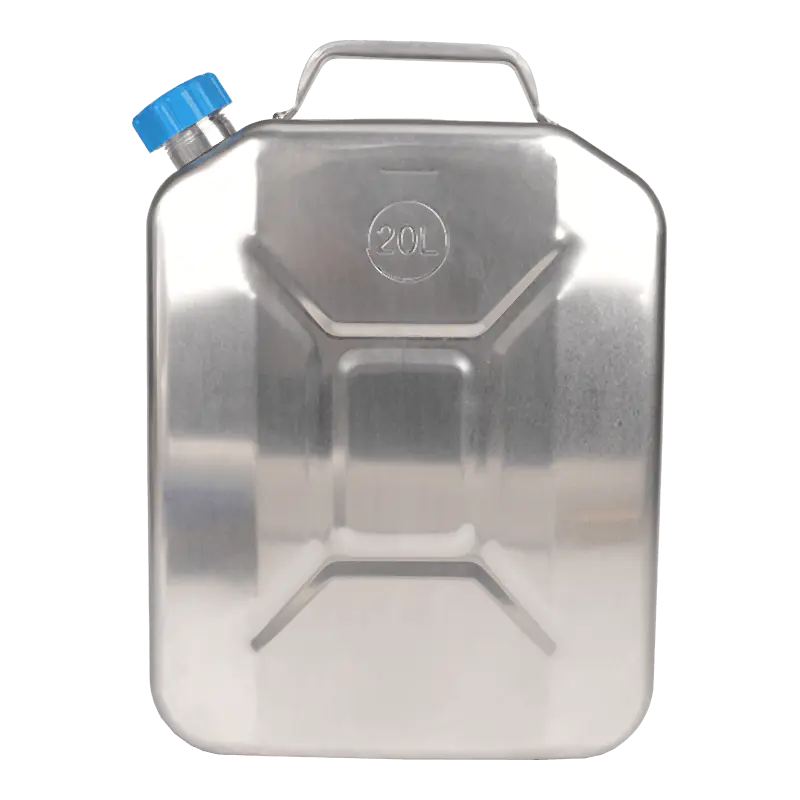
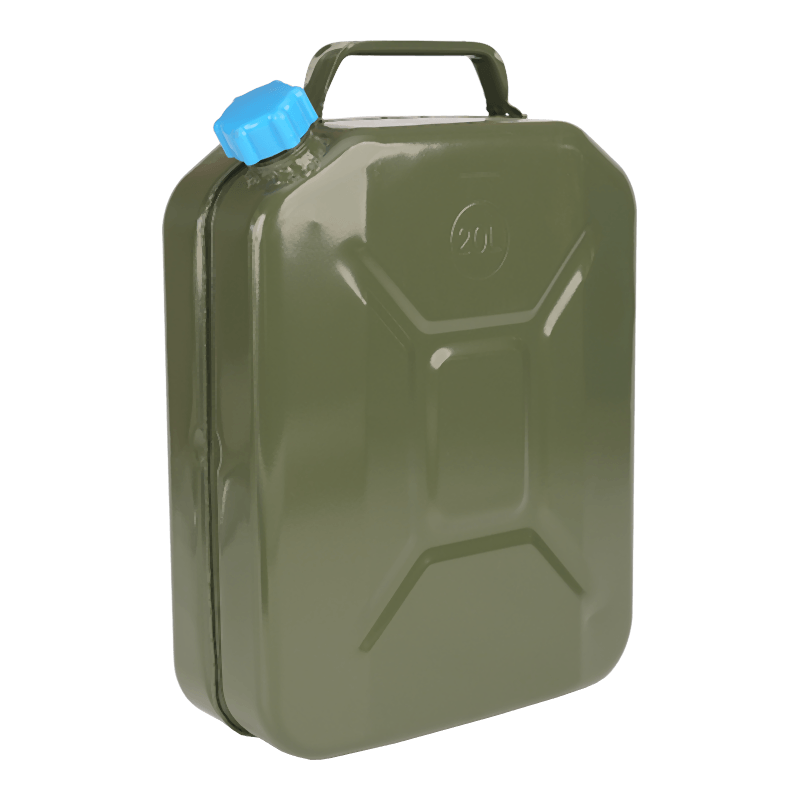
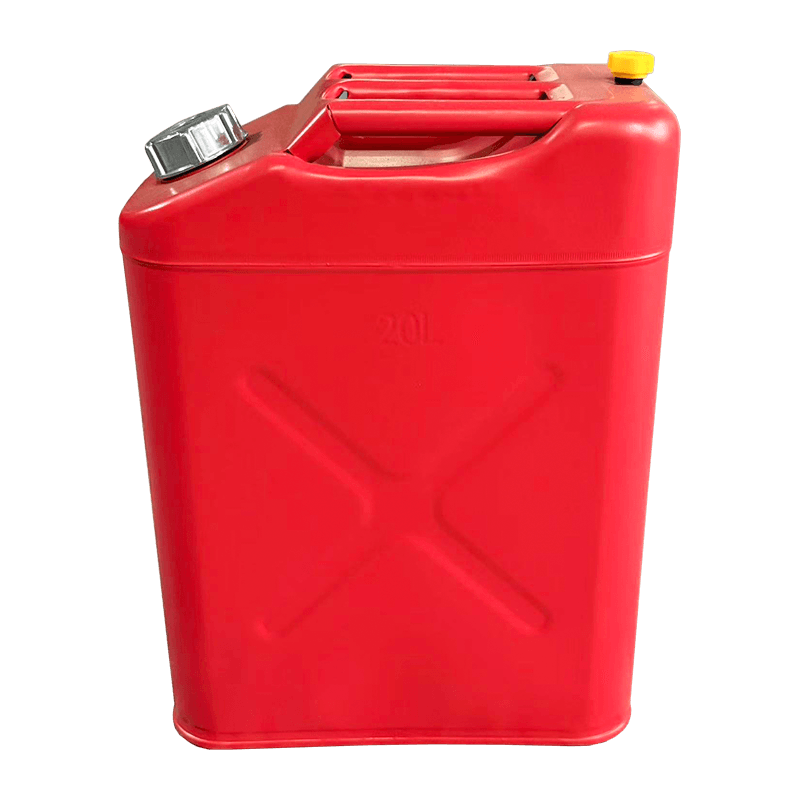
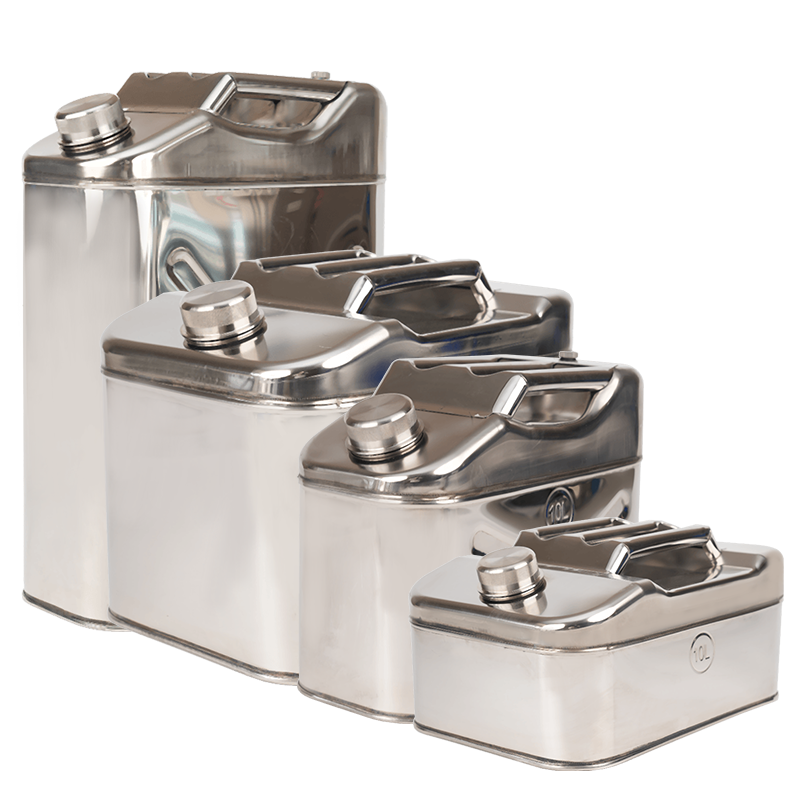
For lubricants and fluids, storage begins with the container. Some industrial users prefer aluminum oil barrels for their corrosion resistance and ease of cleaning, particularly when handling solvents and clean oils. Aluminum barrels are also lighter than steel alternatives, which helps when moving them between workstations. In the company's product catalog, aluminum barrels come in 10-liter and 20-liter models with surface powder coating for additional durability. A 20-liter aluminum barrel can hold about 5.3 U.S. gallons, which is roughly equivalent to one-tenth of a standard oil barrel. If you have a storage requirement of 42 gallons, you would need roughly eight such containers.
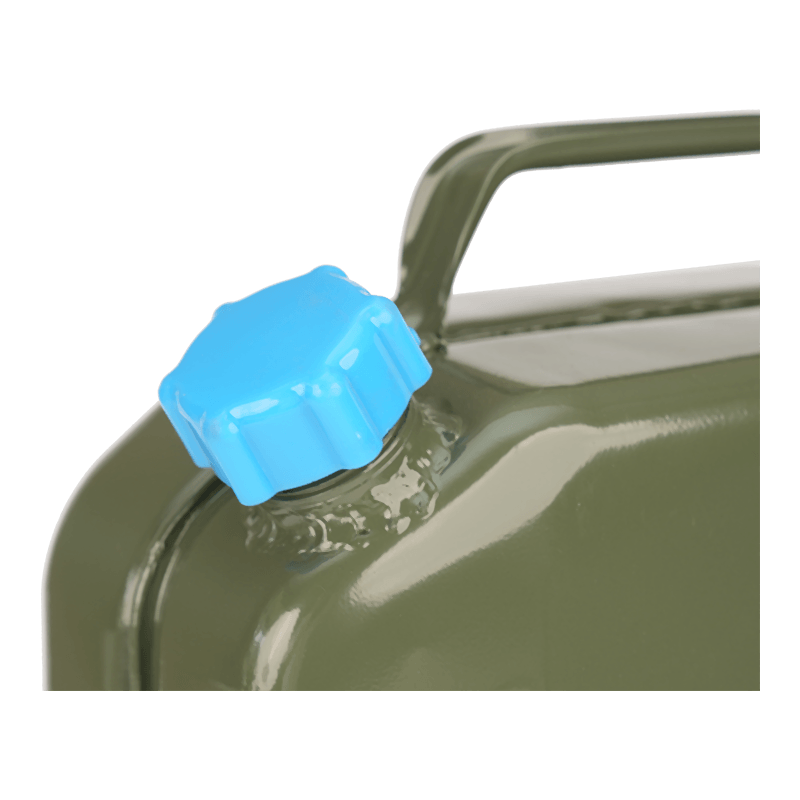 Aluminum Oil Drum with Powder Coating for 10L and 20L StorageThis lightweight aluminum barrel resists corrosion and is suitable for various liquids. Available in 10L and 20L capacities, it features a powder-coated surface and a customizable PVC cover.View Product →
For larger volumes, metal oil drums are the standard choice. Horizontal metal oil drums and vertical metal oil drums are designed for bulk storage and dispensing. These units come in a range of capacities and are often made from galvanized or coated steel to resist corroding. A robust physical barrel is not only a storage container; it is also a component of the transfer system. When you install a vertical drum, you can mount a rotary pump on the top to draw oil out directly. When you use a horizontal barrel, gravity can assist with the transfer to smaller containers.
Choosing the correct barrel size depends on the fluid being stored, the handling methods on site, and the expected turnover rate. High-viscosity fluids, like heavy grease, usually require a pump designed for thick media, while light oils can use gravity and simple pumps. For a maintenance shop, the key is to minimize the number of barrel changes and manual handling steps. A 55-gallon drum with an integrated pump reduces interruptions but is heavier to move, while smaller oil drums improve maneuverability but require more frequent refilling.
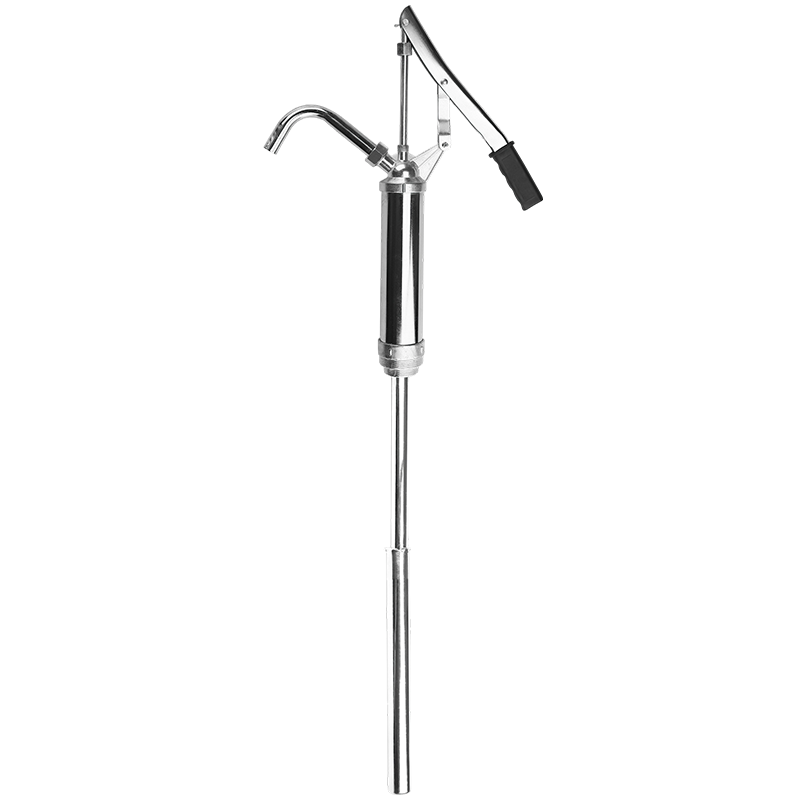
In the storage and transfer workflow, pumps are the crucial link between the barrel and the application. Rotary pumps for barrels are widely used in workshops for transferring oil from vertical drums. These pumps are designed to fit standard drum openings and often come with a flanged or threaded connection for hoses. A robust cast iron rotary pump is preferred for heavier oils, while an aluminum alloy rotary pump is well-suited for lighter, cleaner fluids. The pump you choose should match the viscosity of the fluid, the extent of the transfer, and the pressure you need to push the oil to the target point.
 Cast Iron Rotary Pump for Barrels with Secure MountingThis hand-cranked pump fits standard drum openings and handles many oils. Its cast iron core ensures durability, while the barrel fixing buckle keeps it stable during operation.View Product →
Another important consideration is the pump's durability under frequent use. A rotary pump used daily to fill engine oil containers from a 55-gallon drum should have a high-quality metal body, a smooth crank handle, and a secure inlet that filters larger particles. Cast iron is often selected because it resists wear better than lighter metals, while aluminum pumps provide portability and rust resistance in the same design. Both types require proper assembly and maintenance, but routine cleaning—especially with oil residue—can stretch service intervals significantly.
Dispensers and Grease Guns: From Barrel to Application
In many industrial environments, the lubricant or oil is not applied directly from the barrel. Instead, it is transferred into a smaller dispenser, grease gun, or portable can, then applied to a bearing, gear, or machine surface. The volume of grease inside a typical grease gun is far smaller than a barrel: a hand-operated grease gun may hold 400cc (14 oz), 500cc (17 oz), or 900cc (30 oz). This means a single barrel of grease can fill hundreds of gun cartridges, but the transfer method and the quality of the dispenser have a direct influence on how much of the grease actually reaches the equipment.
Different grease gun types are suited to different applications. For precise, small-quantity lubrication, a pistol-grip hand grease gun with 400cc capacity is enough to grease several jeep or tractor points in one session. For more demanding industrial equipment, a heavy-duty lever grease gun with 900cc capacity delivers more grease per pump and reduces operator fatigue. The material and construction quality matter as well: chrome-plated firearms-style designs are easy to clean and resist corrosion, while spray-coated models offer good affordability and grip. You can rely on a single manufacturer for a range of capacities and handle styles, allowing you to standardize maintenance equipment in your facility.
For tasks where grease must be applied continuously and in larger volumes, pneumatic, electric, or foot-operated grease dispensers are better options. These devices are often filled directly from a bucket or barrel using a transfer pump, and they provide more consistent pressure. An electric grease dispenser with a 24V motor and a 15-liter tank is a common choice for workshops that need periodic heavy greasing of fleet vehicles. These units can be filled from a barrel after the bulk grease is pumped into the reservoir, creating a seamless workflow from drum to machine.
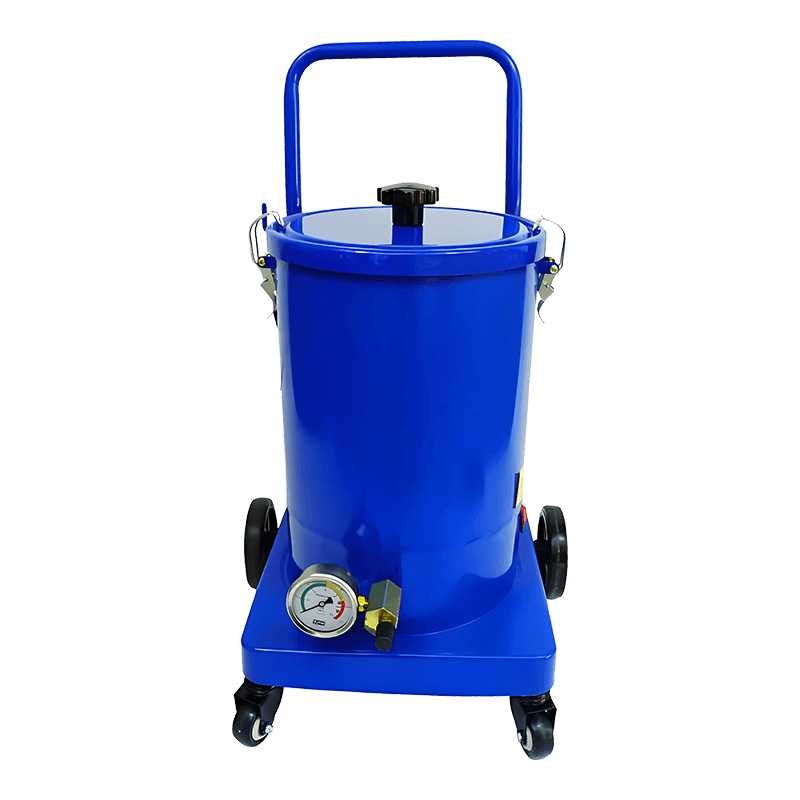 24V Electric Grease Dispenser with 15L Tank and 4m HoseThis 15-liter electric filler operates on 24V for safety and delivers grease at 0.25L/min. It comes with a 4-meter hose and pressure range of 25-35MPa for consistent lubrication.View Product →
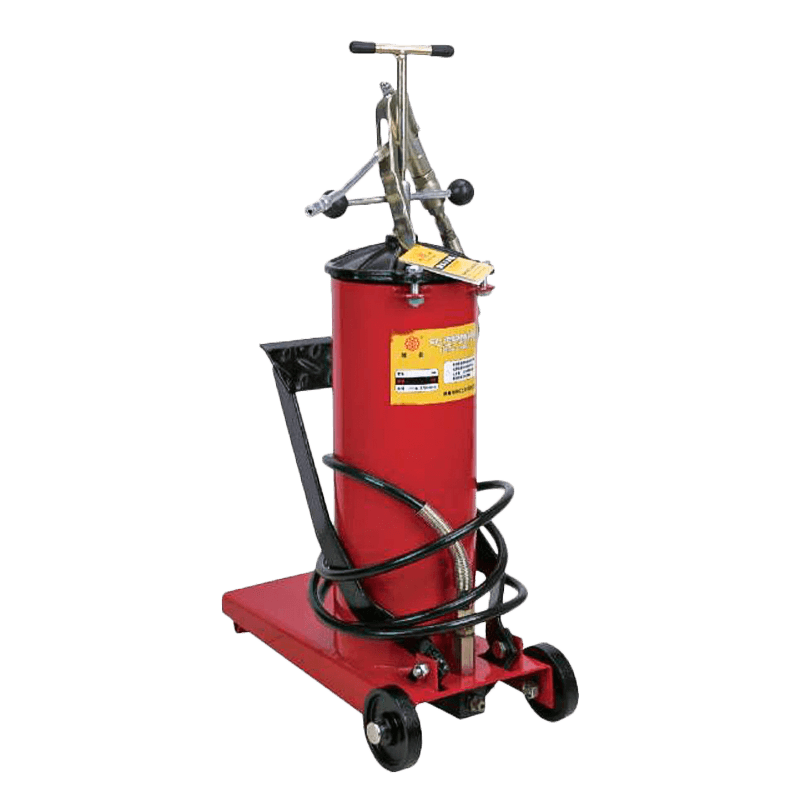
Foot-operated grease injectors are useful when operators need both hands free to hold the grease gun and position the fitting. They come in capacity variants like 6kg, 10kg, and 12kg, and they work without electric power or compressed air. Pneumatic dispensers, in contrast, require a compressed air line and come in 12L, 20L, and 40L reservoirs. The 40L pneumatic dispenser is designed for continuous, high-volume injection tasks in industrial plants, while the smaller sizes are used for fleet maintenance and service garages.
The key point is that the range of tools used to move grease from a barrel to a component is wide, and choosing the right one is not just a matter of price. You must match the delivery volume (per stroke or per minute), the operating pressure, the available power source, and the intended usage cycles. The typical capacity range available in the market covers from 100cc to 40L, so the correct choice depends entirely on the volume of grease you regularly apply.
Procurement Decisions: What to Check Before You Buy a Barrel
When you are a B2B buyer, the barrel unit is more than a conversion factor; it is a linchpin between your purchasing contract and your actual site inventory. Before placing an order for oil, fuel, grease, or a barrel itself, there are several practical checks you should complete, so you can avoid expensive mistakes and rework.
Verify the Volume in the Pricing Contract
Does the supplier quote per barrel or per gallon? If the price is per barrel of 42 U.S. gallons, you know exactly what volume you are getting. If the price is per physical drum of 55 gallons, you receive 42% more volume but you also pay more per unit. Ask about the exact capacity of the offered container. Confirm that the supplier's product title and shipping documents specify whether it is a standard oil barrel, a steel drum, or a smaller can. A simple question at the outset can save you thousands on multi-part orders.
Assess the Viscosity and Temperature Range
The viscosity of the fluid matters a lot when you are selecting a storage barrel and pump. A very heavy gear oil can flow with difficulty through a small pump, whereas a light hydraulic oil flows freely. Lubricants and oils vary widely in viscosity across brands, and some thick greases need a pump that can generate enough pressure to move through a hose. The manufacturer's specifications for minimum flow pressure, rotation speed, and maximum recommended viscosity should all align with the specific fluid you plan to handle.
Check the Container's Sealing and Safety Features
A barrel's closure mechanism affects safety and contamination. For small aluminum and plastic oil drums, a screw cap, threaded spout, or child lock can make a difference in how easily the oil spills or is accessed. For 55-gallon steel drums, a removable head can make it easier to fill and clean. Look for seals that prevent dust, water, and particles from entering. A small vent ensures that the pressure inside remains equal to the outside atmosphere, which prevents vacuum formation when oil is pumped out.
Match the Handling Method
If your facility has forklifts, drum dollies, or other lifting tools, you can handle larger drums with less effort. If you rely on manual handling, then smaller drums like a 20-liter oil barrel are a safer choice. Safety regulations often impose weight limits for manual lifting, and lubrication equipment like a 55-gallon drum full of oil can easily weigh over 180 kg. A 20-liter aluminum barrel is much easier to move around a workshop, which reduces ergonomic risk and increases operator productivity.
Plan for Drum Disposal or Return
When the barrel is empty, it must be disposed of responsibly. Many metal barrels can be cleaned and recertified for re-use, while plastic barrels can be recycled. Some suppliers offer return programs for their bulk containers. Knowing the disposal path in advance helps you manage waste and maintain environmental compliance. If you use barrels with child locks or special unsealing mechanisms, the disposal method should still align with local regulations.
Energy Content and Equivalent Units
Beyond volume and product output, a crude oil barrel is also defined by its energy content. The petroleum industry sometimes expresses crude oil's value by the energy it holds, rather than by its physical volume. This is useful when comparing crude oil to other energy sources like coal or natural gas, or when estimating the total onsite fuel needs for an industrial plant.
One standard barrel of crude oil contains about 5.8 million British thermal units (BTUs) of energy. This is equivalent to approximately 5,614 cubic feet of natural gas, 0.22 tons of bituminous coal, or 1,500 kilowatt-hours of electricity if that heat were converted with no losses. These equivalencies provide a rough basis for energy planning and budgeting used in refining, power generation, and large-scale industrial processes.
- One barrel of crude oil = 42 U.S. gallons
- One barrel of crude oil = 159 liters
- One barrel of crude oil = 35 imperial gallons
- One barrel of crude oil = 5.8 million BTUs of energy
- One barrel of crude oil = 5,614 cubic feet of natural gas
- One barrel of crude oil = 0.22 short tons of bituminous coal
Manufacturers of lubricants and tools are not directly involved in energy conversion, but understanding these equivalencies can help when comparing the cost of bulk oil versus the cost of the equipment needed to store and dispense it. A 55-gallon drum containing industrial oil is not a standard oil barrel, but its energy content—if measured—can still be expressed in BTU terms, and that helps with lifecycle cost analysis for fleet maintenance.
Buying Quality Oil and Grease Equipment: Essential Selection Criteria
For decades, suppliers of oil barrels, pumps, grease guns, and injectors have served the market with products that differ in quality, capacity, and price. The equipment you use is directly linked to the time you spend on maintenance and the risk of equipment downtime. So it pays to evaluate every piece of hardware based on performance rather than price alone.
A starting point is the material of the barrel. Stainless steel and aluminum are best for clean, harsh environments, while powdered coated steel is durable and suitable for everyday workshop use. Stainless steel, in particular, is a good choice for fluids that are processed in food-grade, pharmaceutical, or high-purity industrial settings. Aluminum drums are lighter and non-sparking, making them useful for flammable fluids, but they can be punctured more easily than steel if handled roughly.
Pump components also deserve close inspection. A barrel pump should have a sealed shaft and a smooth crank mechanism. Contact the manufacturer to confirm which elastomers are used for the seals. For aggressive solvents, a perfluoro-elastomer or Ethylene Propylene Diene Monomer (EPDM) seal may be needed, while standard nitrile seals are sufficient for most petroleum fluids. Substandard pump seals are a frequent source of leaks, leading directly to messy floors and lost fluid.
Grease gun accessorization is another critical aspect. A grease gun without a quality nozzle can leak grease at the joint, defeating the purpose of precision application. Flat mouth nozzles are designed to fit flush against a grease fitting, while hard poles and hoses let you extend the reach in tight spaces. When these accessories are manufactured to the same tolerance as the gun body, the entire kit works as a cohesive system. Seek a supplier that includes a hose, a rigid extension, and multiple nozzles in the standard package to cover various applications.
Companies with extensive export experience often ensure that their tools meet the most common European industrial requirements. This includes dimensional tolerances, surface finish, and packaging standards. A factory with an assembly line that has been consistently used for over three decades is more likely to deliver reliable tools, while one that lacks this long-term capability may be unable to meet the volume and quality thresholds expected by large distributors. When selecting a supplier, ask about their production lines, their current export volume, and their lead times.
Understanding Bulk Oil Storage for a B2B Operation
If your company operates a large workshop, a maintenance garage, or a fleet depot, bulk oil storage ultimately impacts the total cost of your operation. The traditional approach—buying oil in barrels, transferring to smaller cans, dispensing with a manual pump—works well for localized operations. But if you are running multiple crews or a continuous production line, you should consider installing drum pumps and multiple dispensing stations to reduce manual handling time.
The number of gallons in a barrel directly determines how many smaller units you can fill from one container. A 42-gallon standard barrel fills roughly eight 5-gallon cans. With a 55-gallon physical drum, you can fill eleven 5-gallon cans, adding 30% more coverage from a single container. When scaled across a large operation, this difference can reduce the number of drum changes by nearly one-third. That reduction directly translates to labor savings and lower product loss from residual fluid left at the bottom of each drum.
Residual fluid is an often-overlooked cost in bulk oil operations. Unless you use a pump positioned to draw from the lowest point of the drum, a significant amount of oil remains in the bottom and is discarded. A rotary pump fitted with a proper dip tube can empty a drum to about 0.5 inches from the bottom, minimizing waste. Supporting products like correct bung adapters can also improve the suction path. Before you purchase a pump, consult the manufacturer about the total pump length and recommended pipe finish. The wrong pump selection, even if it is the right style, can leave 2 or more gallons of oil trapped inside a 55-gallon drum.
High-capacity and low-viscosity fluids are handled differently. For oil pumps, a barrel to transfer light hydraulic oil can often be a simple reciprocating manual pump. But for thicker gear oils, a more robust pump with a larger inlet diameter is necessary to maintain the flow rate. When you compare a rotary oil pump with a grease pump, the difference in construction is immediately evident. Grease pumps include separate components to force the thick grease through narrow hoses, while oil pumps can flow more freely.
If you already have a large number of 55-gallon drums on site, investing in high-quality dispensing equipment is a one-time cost with a long payback. You not only reduce fluid waste and retain more usable product per drum, you also minimize employee exposure to fluid, which actively supports workplace safety and morale.
Routine Maintenance and Lifecycle of Oil Storage Equipment
Oil barrels, pumps, and grease guns have a finite service life. The environmental conditions, cleaning frequency, and stored fluids all influence how quickly they wear out. Companies in the lubrication equipment sector routinely build in features such as removable covers, easy-access filters, and reinforced straps to extend the life of the tools. As a buyer, these features matter because they affect your long-term total cost of ownership.
Aluminum barrels used in marine and wet environments are particularly susceptible to corrosion unless coated. Powder coating creates a resilient barrier that resists most typical solvents and abrasion. For clean-bore oil barrels used in food-grade or high-precision settings, stainless steel is the preferred material because of its resistance to oxidation and product contamination. Since these products often hold lubricants that can promote rust in the absence of protective measures, always request the manufacturer's specification for the interior and exterior surface treatment.
For pumps, regular inspection of the valve mechanism is important. A plunger style oil pump with a worn check valve can fail to draw oil, and a pump with a loose handle can become difficult to operate. Installing a strainer before the pump inlet catches sediment and prevents contamination. The cost of a strainer is very low compared to the expense of a pump that has been ruined by abrasive particles.
Grease guns also need basic upkeep. Keep the external surface clean of dried grease, deeply clean the nozzle and the barrel interior after each major application, and never use unclean fluid in the gun. Chrome-plated guns are more forgiving on this front because their smooth finish uses less friction, and they are easier to wipe clean than uncoated models. Lever and pistol grip guns require no special tools for disassembly, but always follow the manufacturer's instructions.
Connecting the Barrel to the Entire Equipment Set
The flow of oil and grease from a bulk barrel to a final application point is not a simple single step. It follows a complete operation chain that involves storage, transfer, metering, and dispensing. This is where the practical value of a coordinated product line becomes clear. A manufacturer that offers oil drums, barrel pumps, grease guns, and related accessories can help you standardize your entire workflow and reduce downtime.
For a workshop focused on automotive maintenance, the typical equipment set might include a 10-liter oil can for engine oil, a small manually-operated oil pump for transferring the oil from a 55-gallon drum, a grease gun with a hose and nozzle, and a toolbox to organize these tools. Each selection depends on the volume you plan to handle and the access points in the vehicle. A complete kit can also be packed into a three-layer tool box, which consolidates the tools and keeps them organized for daily service.
This coordinated approach is especially beneficial for B2B buyers. Rather than searching for separate suppliers for each item, you can source the entire equipment set from one manufacturer. This allows you to ensure compatibility between the barrel spout and the pump, between the pump hose and the injector, and between the injector and the grease gun that is used to deliver the final product. On a per-order basis, you also save logistics and shipping costs by consolidating multiple SKUs into a single shipment.
The scale of the product catalog also matters. If you are a distributor, you likely need both small portable oil cans for retail and large foam-filling pumps for bulk customers. A manufacturer with a large range offers the flexibility to meet both buying patterns. For OEM projects, the same supplier can adapt handle types, packaging, and branding for custom orders. The first-time buyer should request the full catalog to see whether the manufacturer covers every step of the lubrication operation chain.
Final Thoughts for Oil Buyers and Equipment Specifiers
The number of gallons in a standard barrel of crude oil is 42. That simple fact underpins the whole global oil trade, but its impact extends far beyond commodity pricing. For anyone involved with fuel storage, bulk oil handling, lubrication maintenance, or industrial supply procurement, the relationship between the 42-gallon barrel and the physical drums, pumps, and dispensers you use is crucial to cost control and operational efficiency.
When you approach a supplier, be ready to clarify whether they are selling by the 42-gallon standard or by a physical container like a 55-gallon drum. Double-check the total volume you will actually receive, the pump options, and the accessories included. Consider the energy content and the equivalent units when comparing oil against alternative fuels or evaluating site delivery logistics. And when building your inventory, think about the entire workflow: storage, transfer, dispensing, and tooling—because a consistent set of tools can only improve the speed and quality of maintenance tasks.
We have covered a broad ground here: historical origins, volume conversions, refinery yields, storage containers, pumps, grease guns, and procurement checklists. The 42-gallon standard is not a cumbersome legacy; it is a practical constant that has survived since the early petroleum industry and will continue to be used in the global energy market. Use it as your reference point, but always make sure the physical cans, drums, and tools you purchase fit the exact volume and handling situation you have on site. That is the intersection where a clear understanding of barrels leads to better oil management.