English
 中文简体
中文简体

What Sets a Lever Grease Gun Apart from Other Types?
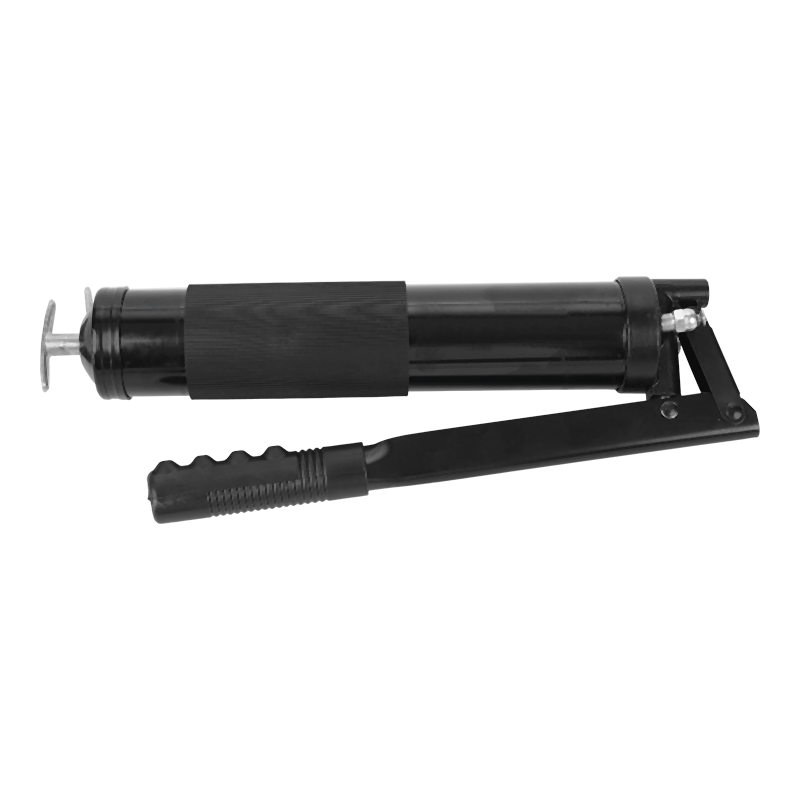
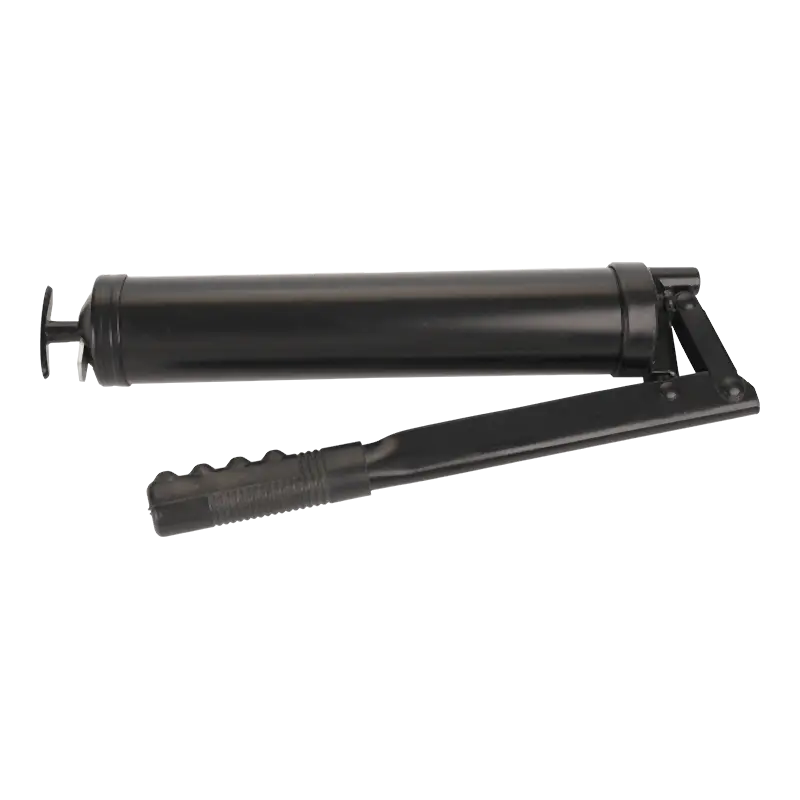
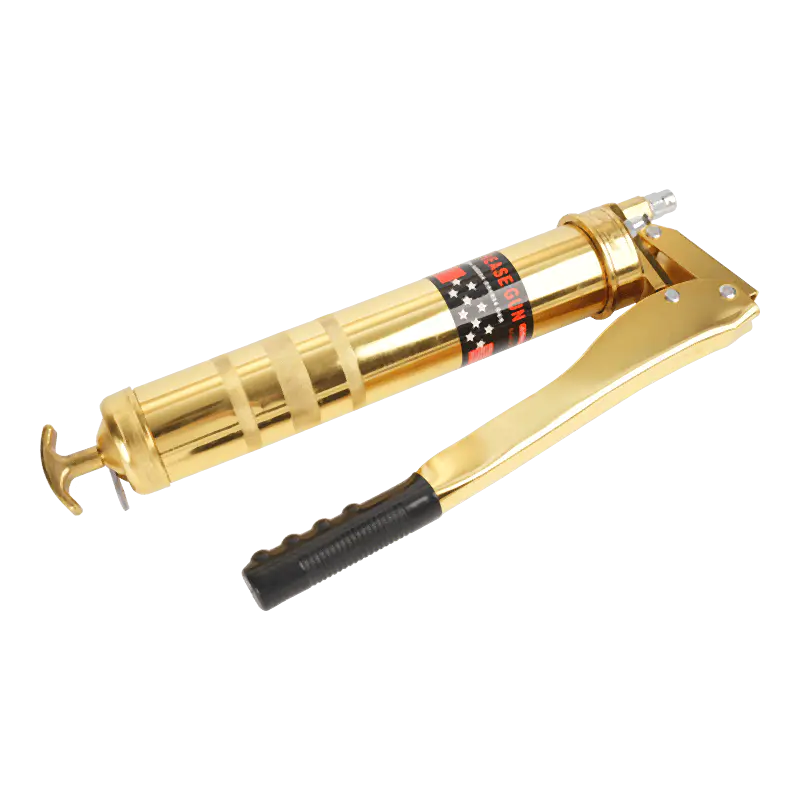
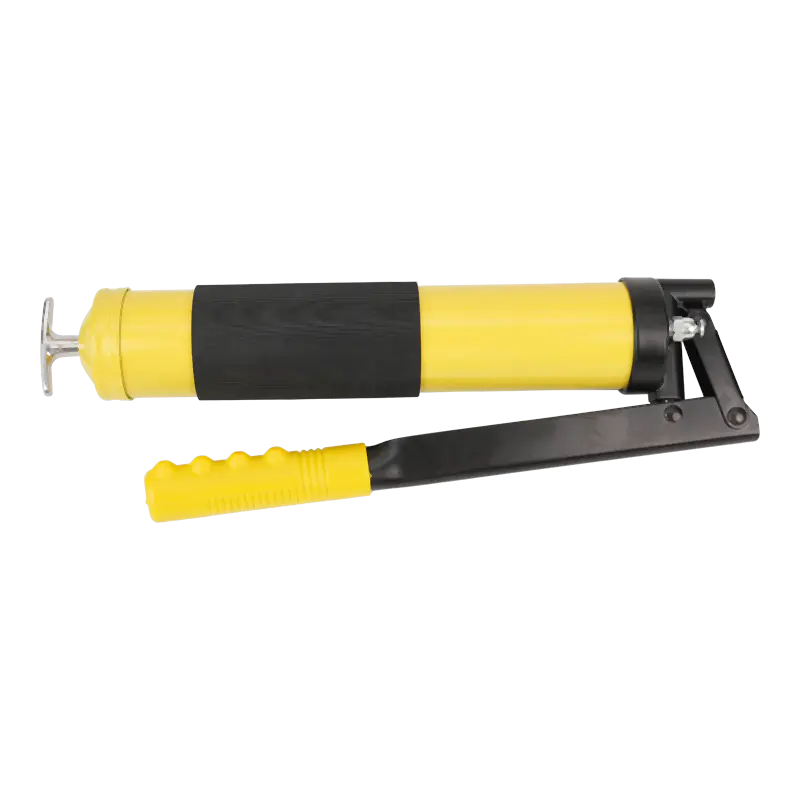
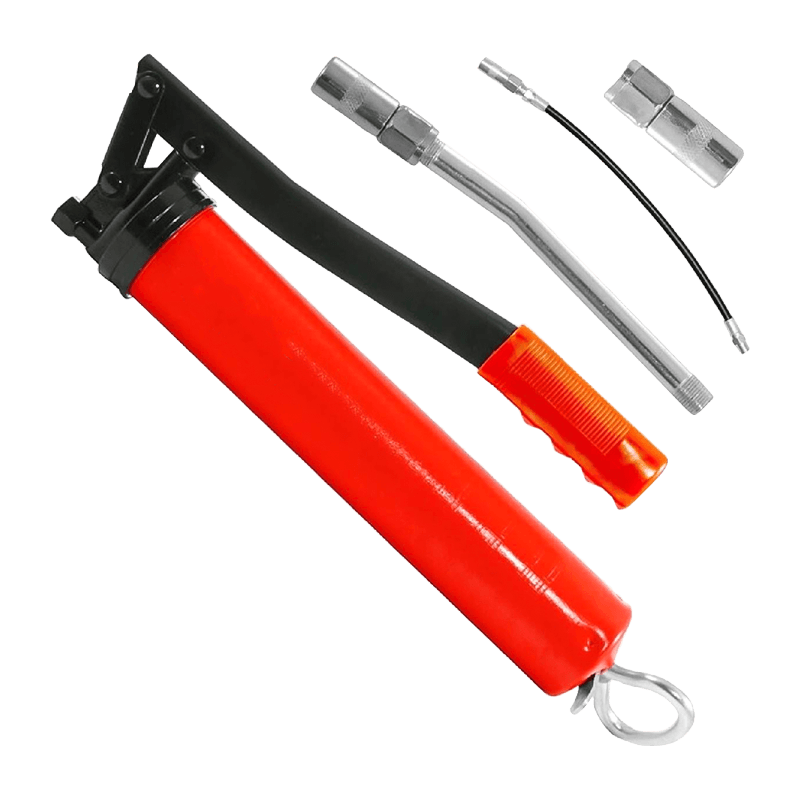
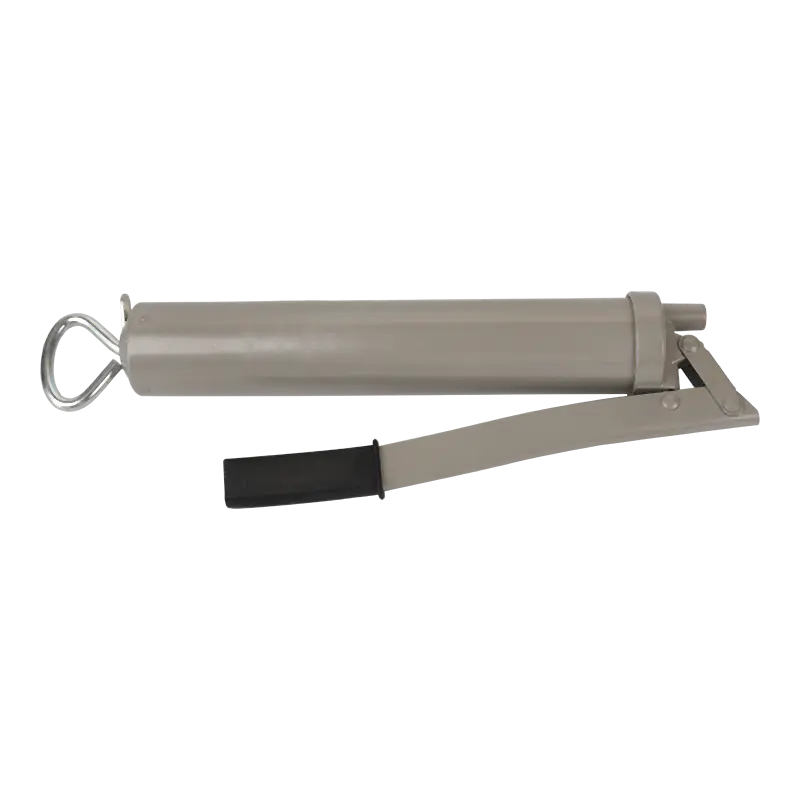
A lever grease gun is a manually operated lubrication tool that uses a hand‑operated lever to drive a piston, forcing grease through a hose and coupler into a grease fitting (zerk). Unlike pistol‑grip grease guns, which require the operator to squeeze a trigger with each stroke, the lever action provides greater mechanical advantage, allowing higher pressures to be generated with less effort. This makes lever grease guns particularly well‑suited for stubborn, clogged, or hard‑to‑reach fittings where high pressure is essential to force grease past tight seals or hardened old grease.
The key components include a barrel (which holds the grease cartridge or bulk grease), a plunger rod, a head assembly with a check valve, and the lever mechanism itself. The lever is typically longer than a pistol grip, enabling the user to generate more force per stroke. Many models offer a choice between a rigid pipe or a flexible hose for the outlet, with the flexible hose being preferred for accessing fittings in confined spaces.
Compared to pneumatic or electric grease guns, lever models are completely independent of external power sources, making them ideal for field use where compressed air or electricity may not be available. They are also simpler in construction, with fewer parts that can fail, and they are typically more affordable to purchase and maintain.
Why Choose a Lever Grease Gun Over Other Manual Options?
When selecting a manual grease gun, the two main choices are lever‑action and pistol‑grip (also known as trigger‑type). While both are effective, they have distinct characteristics that suit different applications.
Higher Pressure Output: Lever grease guns can generate significantly higher pressures—often exceeding 10,000 PSI—compared to typical pistol‑grip models, which may peak around 5,000‑6,000 PSI. This high pressure is crucial for forcing grease into tightly sealed bearings, pins, and bushings that have accumulated dried or contaminated grease. If you work on older equipment, agricultural machinery, or construction vehicles with extended lubrication intervals, the lever gun's pressure advantage is a game‑changer.
Less Hand Fatigue: The lever design distributes the effort across a larger hand movement, reducing the repetitive squeezing motion that can tire the hand and wrist. For high‑volume lubrication tasks—such as greasing multiple fittings on a large tractor or excavator—the lever gun is more comfortable over extended periods.
Greater Control Over Grease Delivery: The lever action allows for incremental, controlled delivery of grease. With each full stroke, a measured amount of grease is dispensed, giving the operator precise control to avoid over‑greasing. This is particularly important when lubricating components with sealed bearings or when following manufacturer‑specified grease quantities.
Durability and Reliability: Lever grease guns have a robust, all‑metal construction (often steel or cast iron) that withstands rough handling and harsh environments. They are less prone to mechanical failure compared to pistol‑grip models, which may have plastic components or more complex trigger mechanisms. With proper care, a quality lever grease gun can last for decades.
Versatility in Grease Types: Lever guns are compatible with a wide range of grease viscosities and types, including high‑temperature, extreme‑pressure, and synthetic greases. The high pressure ensures that even thick, heavy greases can be dispensed effectively.
How to Choose the Right Lever Grease Gun for Your Shop or Farm
Selecting the best lever grease gun for your needs involves evaluating several factors beyond just price. Here is a practical guide to help you make an informed decision.
Grease Capacity and Loading Method
Lever grease guns are available in two main capacity configurations: cartridge‑type and bulk‑fill. Cartridge models accept standard 14‑ounce grease cartridges, which are convenient, clean, and easy to load. Bulk‑fill models have a larger reservoir (often 16‑ounce or more) that you fill from a bulk grease container using a suction pump or by hand packing. Bulk guns are more economical for high‑volume users and allow you to use any grease type without being limited to cartridge offerings. However, they are messier to load and may trap air if not packed properly. Some lever guns are designed to accept both cartridges and bulk fill, offering maximum flexibility.
Consider your typical grease consumption and the availability of your preferred grease in cartridge form. If you use specialty greases that are not available in cartridges, a bulk‑fill model is essential.
Hose Type and Length
Lever grease guns come with either a rigid pipe (sometimes called a "tube" or "extension") or a flexible hose. Rigid pipes are durable, provide a direct feel, and are less prone to kinking, but they lack the reach and maneuverability of a flexible hose. Flexible hoses, typically 12 to 24 inches long, allow you to reach fittings in tight or awkward positions—such as around drive shafts, under chassis, or inside engine bays. For general use, a flexible hose is preferred. Some manufacturers offer interchangeable hose/pipe options, or you can purchase a separate hose attachment.
When choosing, consider the typical accessibility of the grease fittings you will be servicing. If you often work on heavy equipment with difficult‑to‑reach points, a longer, more flexible hose is a significant advantage.
Coupler Type
The coupler is the tip that attaches to the grease fitting. Standard couplers grip the fitting's ball end, allowing for a secure connection. However, they can be difficult to remove after greasing. Hydraulic (or "push‑on") couplers are easier to attach and detach and are less likely to leak under pressure. Some couplers feature a locking mechanism or a 4‑jaw design that provides a stronger grip on worn fittings. For heavy‑duty applications, consider a coupler with a high‑pressure rating and a design that minimizes grease leakage.
Construction and Materials
Look for a lever grease gun with a durable, corrosion‑resistant barrel and head. Cast iron or forged steel heads are superior to die‑cast zinc or aluminum, as they resist cracking and provide longer service life under high pressure. The barrel should be seamless steel with a smooth internal finish to reduce wear on the plunger seal. The lever and handle should be sturdy, with a comfortable grip. Some models feature a rubberized or textured handle to improve grip and reduce operator fatigue.
Pressure Rating
While most lever grease guns are capable of generating 10,000 PSI or more, it is wise to check the manufacturer's specified maximum operating pressure. Higher pressure is generally better for difficult fittings, but ensure that the tool's components (hose, coupler, and seals) are rated for that pressure to avoid failure.
Bleeder Valve
A bleeder valve (also called an air release valve) is a small screw or button on the head that allows you to purge trapped air from the grease chamber. Air in the system can cause spongy operation and inconsistent grease delivery. A well‑placed bleeder valve simplifies priming and ensures smooth, continuous flow.
Brand Reputation and Warranty
Trusted brands like Alemite, Lincoln, Plews, and Dutton‑Lainson have a long history of manufacturing reliable grease guns. Look for products with positive user reviews and a warranty that covers defects and workmanship. While cheaper off‑brand guns may be tempting, they often sacrifice material quality and pressure capability, leading to premature failure.
Step‑by‑Step Guide to Using a Lever Grease Gun Effectively
Even the best tool will perform poorly if used incorrectly. Here is a practical guide to getting the most out of your lever grease gun.
Loading the Grease
For Cartridge Models: Pull the plunger rod all the way out, then unscrew the head or barrel. Insert the cartridge with the open end facing the head. Push the plunger rod back in, then reattach the head. Prime the gun by pulling the lever a few times until grease appears at the coupler.
For Bulk‑Fill Models: Remove the head or base of the barrel, pack the barrel with grease, ensuring there are no air pockets. Use a grease pump or a paddle to fill completely. Reattach the head and prime.
Attaching to the Grease Fitting
Clean the grease fitting with a rag to remove dirt and debris. Press the coupler firmly onto the fitting until it clicks or locks. For hydraulic couplers, simply push on; for standard couplers, you may need to press and twist to engage.
Dispensing Grease
With the coupler secured, operate the lever with smooth, full strokes. Monitor the component you are greasing—stop when you see fresh grease emerging from the seal (if it's a bearing) or when you feel resistance (if it's a sealed fitting). Avoid over‑greasing, which can damage seals and create excessive pressure.
Removing the Coupler
To detach, pull the coupler collar back (for hydraulic type) or twist and pull for standard couplers. Wipe the fitting and coupler with a clean rag.
Maintaining the Gun
After use, wipe down the exterior. Periodically bleed air by opening the bleeder valve while the gun is pressurized. Store the gun in a clean, dry place, preferably with the coupler covered to prevent contamination.
Troubleshooting Common Lever Grease Gun Issues
Even reliable tools can develop problems. Here are typical issues and their solutions.
Grease Won't Flow / Low Pressure: This is often caused by air in the system. Bleed the air using the bleeder valve. If still not flowing, check that the grease cartridge is not empty or that the bulk grease is not too stiff (consider warming it). Also inspect the coupler for blockage.
Leaking from the Head or Barrel: Leakage typically occurs due to worn seals or gaskets. Disassemble the head, inspect the O‑rings and seals, and replace them. Ensure the barrel threads are clean and not cross‑threaded.
Excessive Effort to Operate: If the lever becomes hard to move, the grease may be too thick or the gun may be clogged. Try warming the grease or disassembling and cleaning the head and barrel. Also check that the plunger is moving freely.
Coupler Won't Grip or Leaks Grease: Couplers wear out over time, especially if used on worn fittings. Replace the coupler. Also, ensure you are using the correct coupler style for your fittings.
Plunger Rod Won't Retract: This can happen if the barrel is overfilled or if the plunger seal is swollen. Release pressure, then try pulling the rod gently. If stuck, disassemble and clean.
Maintenance Tips to Extend the Life of Your Lever Grease Gun
With regular care, a quality lever grease gun can outlast many other shop tools. Here is how to keep it in top condition.
Keep It Clean: Wipe down the entire gun after each use. Grease and dirt buildup can attract contaminants that accelerate wear on seals and moving parts.
Lubricate Moving Parts: Periodically apply a light machine oil to the lever pivot points, the plunger shaft, and the head mechanism. This reduces friction and prevents seizing.
Store Properly: Keep the gun in a vertical position with the coupler pointing down to prevent grease from hardening in the hose and coupler. Cover the coupler with a cap or plastic bag to keep out dust.
Replace Worn Seals Promptly: If you notice leaks or reduced performance, check and replace O‑rings and seals. Many manufacturers offer rebuild kits that include all necessary seals.
Inspect the Hose: Check the flexible hose for cracks, kinks, or wear. A damaged hose can burst under high pressure. Replace if any signs of damage are visible.
Lever Grease Gun vs. Other Lubrication Tools: A Practical Comparison
Understanding the strengths and weaknesses of each tool type helps you decide when to use which.
Lever vs. Pistol‑Grip: Pistol‑grip guns are lighter, easier to use with one hand, and suitable for lighter‑duty applications. Lever guns provide higher pressure, less fatigue, and better control for heavy‑duty work.
Lever vs. Battery‑Powered: Battery‑powered guns are the ultimate in convenience and speed, eliminating manual effort. However, they are expensive, require battery maintenance, and may not achieve the same extreme pressures as a good lever gun. For high‑volume, heavy‑duty work, a lever gun remains a more cost‑effective and reliable choice.
Lever vs. Pneumatic: Pneumatic guns offer high speed and consistent output but need a compressed air supply, limiting portability. Lever guns are independent and can be used anywhere, making them ideal for field service and remote locations.
In practice, many professionals carry both a lever gun for high‑pressure, difficult fittings and a pistol‑grip or battery unit for quick, routine lubrication.
Frequently Asked Questions About Lever Grease Guns
What is a lever grease gun?
A lever grease gun is a manually operated lubrication tool that uses a hand‑operated lever mechanism to force grease into bearings, bushings, and other moving parts through grease fittings. It is known for its high pressure output and durability.
How much pressure can a lever grease gun generate?
Most quality lever grease guns can generate pressures exceeding 10,000 PSI, with some models reaching up to 15,000 PSI. This high pressure is essential for forcing grease into tightly sealed or clogged fittings.
What is the difference between a lever grease gun and a pistol‑grip grease gun?
A lever grease gun uses a longer lever arm for greater mechanical advantage, producing higher pressure with less operator effort. A pistol‑grip gun relies on a trigger mechanism, which is more convenient for one‑handed use but generally delivers lower pressure and can cause more hand fatigue during extended use.
Can I use a lever grease gun with any type of grease?
Yes, lever grease guns are compatible with a wide range of greases, including lithium, calcium, polyurea, and synthetic greases. They can handle both cartridge and bulk grease, depending on the model.
How do I load a lever grease gun with a cartridge?
Pull the plunger rod out, remove the head, insert the cartridge with the open end facing forward, reattach the head, and then push the plunger rod in. Prime by pumping the lever until grease flows out.
How do I bleed air from a lever grease gun?
Most lever grease guns have a bleeder valve (often a small screw) on the head. Loosen it slightly while applying pressure to the lever, allowing trapped air to escape. Tighten when grease begins to flow.
Why is my lever grease gun not dispensing grease?
Common causes include air in the system, an empty cartridge, a clogged coupler, or a blocked hose. Bleed the air, check the grease level, clean the coupler, and inspect the hose for obstructions.
How do I maintain my lever grease gun?
Wipe it clean after each use, lubricate pivot points occasionally, replace worn seals, check the hose for damage, and store it upright with the coupler covered.
Which is better: a rigid pipe or a flexible hose on a lever grease gun?
A flexible hose is generally more versatile because it can reach fittings in tight spaces. A rigid pipe offers more direct force and durability but limits accessibility. Most users prefer a flexible hose.
Can a lever grease gun be used for grease fittings on cars?
Absolutely. Lever grease guns are commonly used for automotive chassis lubrication, ball joints, tie rod ends, and universal joints, especially on older vehicles or heavy‑duty trucks.
What is the typical capacity of a lever grease gun?
Cartridge models hold a standard 14‑ounce cartridge. Bulk‑fill models typically hold 16 to 24 ounces of grease, depending on the design.
Are lever grease guns still relevant in the age of cordless tools?
Yes, they remain highly relevant for their reliability, independence from batteries, high pressure output, and cost‑effectiveness. They are often the go‑to choice for heavy‑duty and field applications.
How do I choose a replacement coupler for my lever grease gun?
Match the coupler type to your grease fittings—standard or hydraulic (push‑on). Ensure the coupler is rated for the pressure of your gun. Some couplers are designed for worn fittings and offer a better grip.
Can I convert a lever grease gun from cartridge to bulk fill?
Some models are designed to accept both, but not all. If your gun is cartridge‑only, you cannot easily convert it to bulk fill without a kit. Check with the manufacturer for conversion options.
What is the average price of a good lever grease gun?
Quality lever grease guns typically range from $30 to $100, with professional‑grade models from reputable brands costing $60‑$100. Lower‑cost models may suffice for light use but may lack durability.