English
 中文简体
中文简体

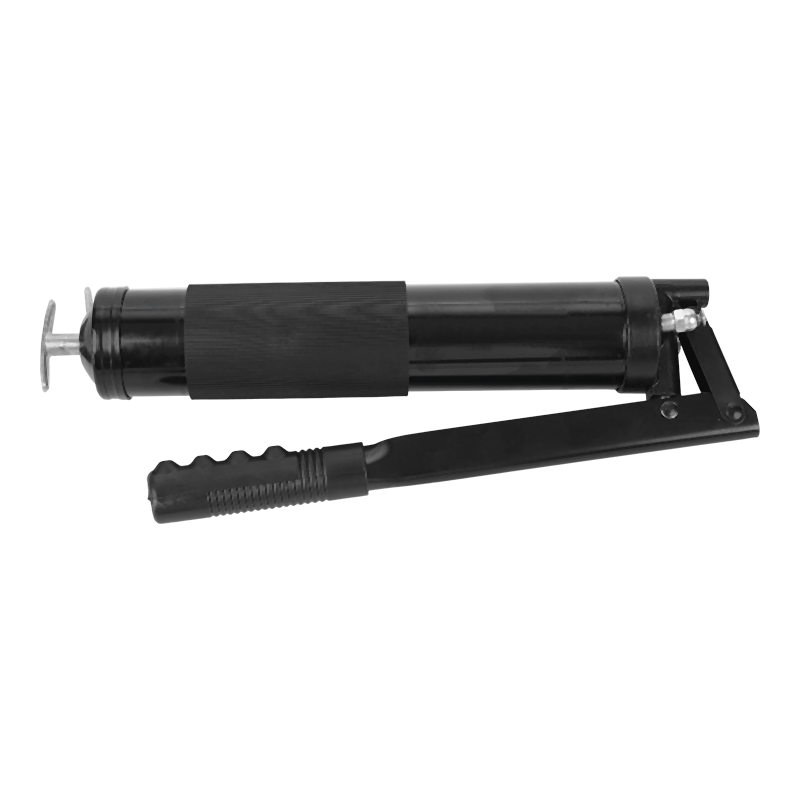
Grease injectors are among the most essential tools in industrial maintenance, heavy equipment servicing, and commercial vehicle workshops. They deliver lubricating grease under controlled pressure to bearings, joints, pins, and other friction points that require regular greasing to prevent premature wear and mechanical failure. The difference between a manual grease gun and a modern electric grease injector is substantial in high volume maintenance environments: an electric grease dispenser eliminates the physical fatigue and inconsistency of hand pumped lubrication, delivers grease at a controlled pressure and flow rate, and is capable of reaching lubrication points in confined locations that cannot be accessed with a standard hand tool.
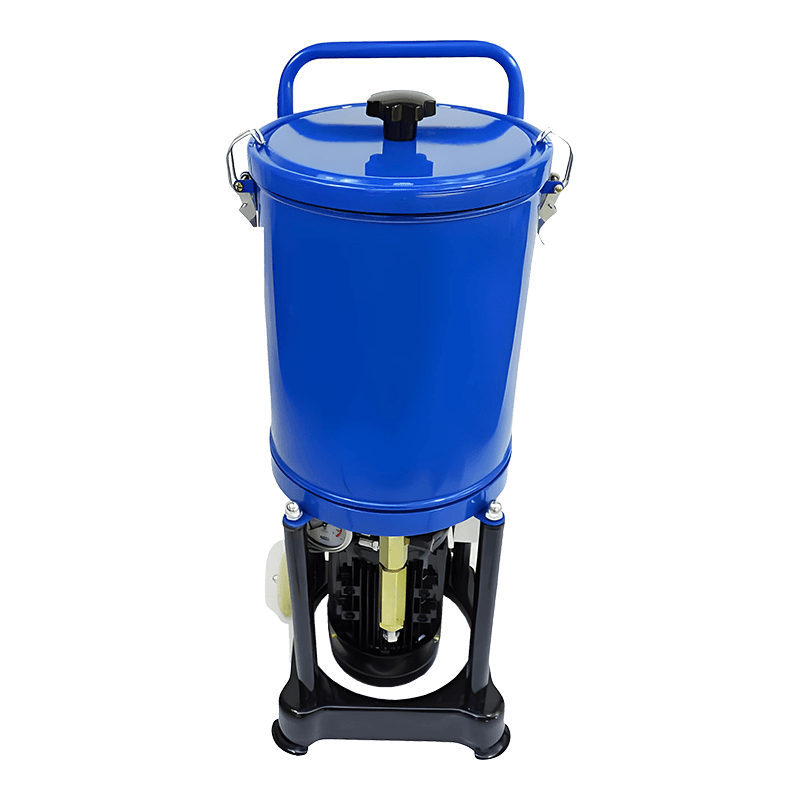
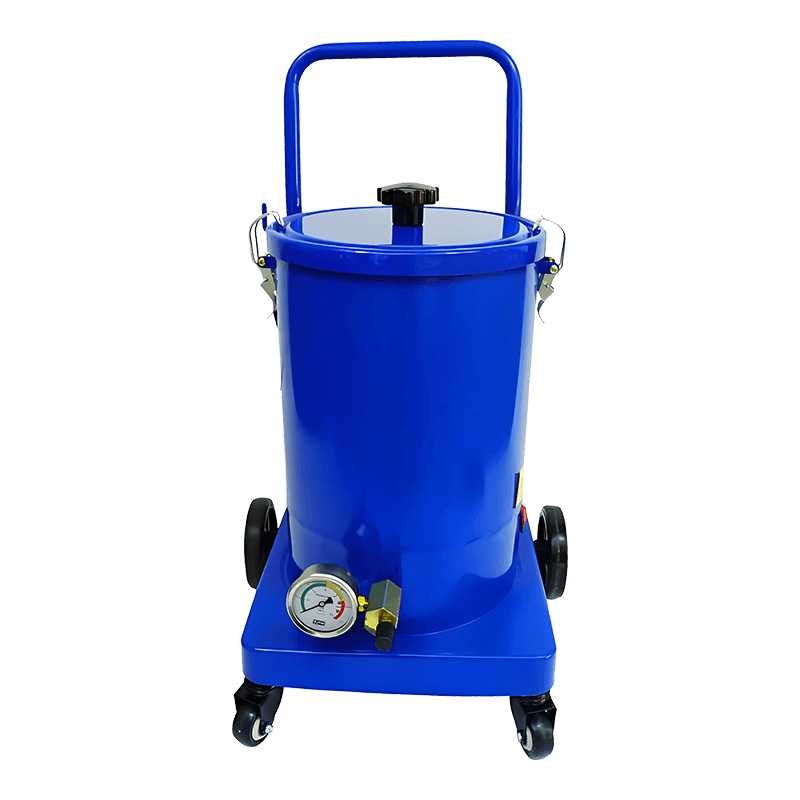
The direct conclusion for anyone evaluating grease injectors in the electric category is this: a 15L electric grease filler with a 4m oil pipe, operating at 24V DC, represents the optimal configuration for mobile maintenance operations on heavy equipment, agricultural machinery, construction plant, and fleet vehicles where the grease reservoir capacity needs to be substantial, the power source is the machine's own electrical system, and the reach of the delivery hose must extend to remote lubrication points without repositioning the unit. This article covers the construction, specification, selection criteria, and correct operational practice for electric grease injectors in this category.
How an Electric Grease Injector Works?
An electric grease injector uses a motor driven pump to pressurize grease from a reservoir and deliver it through a hose and coupler to the fitting at the lubrication point. The electric motor eliminates the need for manual pumping force, which in a standard hand grease gun can require 30 to 50 kilograms of trigger force to overcome the back pressure of grease entering a tight bearing. The motor driven pump maintains a consistent delivery pressure regardless of the operator's strength or fatigue level, which is directly relevant to lubrication quality: grease that is delivered at insufficient pressure may not fully seat in the bearing housing, leaving the innermost lubrication channels under supplied.
Pump Mechanism and Pressure Generation
The pump in an electric grease injector is typically a single acting or double acting piston pump driven by an electric motor through a reduction gear or eccentric mechanism. The piston draws grease from the reservoir on the suction stroke and forces it through the outlet valve and delivery hose on the pressure stroke. Quality 24V electric grease dispensers generate working pressures of 30 to 60 megapascals (300 to 600 bar), which is sufficient to overcome the back pressure of even heavily contaminated or cold stiffened grease in bearings and to break through hardened old grease deposits that would stop a lower pressure device. The maximum operating pressure of the unit determines its effectiveness across the full range of grease types and application conditions the maintenance team is likely to encounter.
The Role of the 4m Oil Pipe in Reaching Remote Lubrication Points
The 4 meter oil pipe supplied with a 15L electric grease filler extends the operational reach of the unit substantially beyond what is possible with the short rigid tubes supplied with standard hand grease guns. In practice, this means the 15L unit can be placed on the ground or on a service vehicle platform while the operator uses the flexible hose to reach lubrication nipples on the underside of the machine, inside wheel arches, at the top of boom sections on excavators, and in other locations that would require the entire tool to be repositioned with every new lubrication point if a shorter hose were used. For a typical excavator with 25 to 40 grease points distributed across the boom, arm, bucket linkage, undercarriage, and slew ring, a 4 meter hose allows all lubrication points to be serviced from two or three repositioning moves of the unit rather than the dozen or more moves that would be required with a 1 meter hose.
Why 24V Operation Is the Right Choice for Heavy Equipment Applications
The voltage rating of an electric grease dispenser determines which electrical systems it is compatible with and what motor power is available within the current draw constraints of the supply. The 24V DC specification of the 15L electric grease dispenser at 24V is specifically matched to the electrical systems of heavy equipment, large agricultural machinery, and commercial vehicles, all of which use 24V DC as their standard electrical supply voltage rather than the 12V system of passenger cars and light vehicles.
- Excavators, bulldozers, and crawler equipment: All construction crawlers and most large wheel loaders use 24V electrical systems to power high current starting loads and electrical accessories. A 24V electric grease dispenser connects directly to the machine's own battery system through standard connectors, requiring no additional power supply infrastructure on the job site.
- Heavy trucks and coaches: European and North American heavy trucks with gross vehicle weights above approximately 7,500 kg use 24V electrical systems as standard, and fleet maintenance operations for truck fleets benefit directly from 24V grease dispensers that can be powered from the vehicle being serviced without requiring an external power source.
- Agricultural tractors and combines: High horsepower agricultural machinery, particularly tractors above 100 horsepower and combine harvesters, use 24V electrical systems, making the 24V grease dispenser the natural choice for agricultural dealerships and farm workshops where these machines are serviced.
- Power advantage at 24V: At the same current draw, a 24V motor develops twice the power of a 12V motor. For a grease pump requiring 200 watts of power, a 24V supply draws only 8.3 amperes compared to 16.7 amperes for a 12V supply of the same power. This halving of current draw reduces voltage drop across cable connections, reduces heat generation in the wiring, and allows a lighter gauge power cable to be used without performance loss.
The 15L Reservoir: Capacity Matched to Heavy Equipment Maintenance Needs
The 15 liter grease reservoir capacity of the 15L electric grease filler with 4m oil pipe is a specification that reflects the volume of grease consumed in a complete lubrication service of heavy equipment. A standard 400g cartridge, the size used in hand grease guns, provides 400 grams of grease equivalent to approximately 0.45 liters of volume. Servicing a medium excavator with 35 lubrication points, each requiring 3 to 5 grams of grease per service, consumes approximately 105 to 175 grams of grease total. A 15 liter reservoir holds approximately 18 kilograms of standard NLGI Grade 2 grease, sufficient to service 80 to 100 medium excavators or 40 to 50 heavy dump trucks through a complete lubrication cycle without refilling the unit, making the 15L capacity ideal for fleet maintenance operations servicing multiple machines per day.
Grease Types Compatible with a 15L Electric Grease Filler
Not all grease types are compatible with all pump mechanisms, and specifying the correct grease for both the lubrication requirement and the pump specification is important for consistent performance. The 15L electric grease dispenser (voltage 24V) is designed for use with petroleum based and synthetic greases in the NLGI Grade 1 to Grade 3 range:
- NLGI Grade 1: A softer grease with high penetration value, easier to pump at low temperatures and through long delivery hoses. Suitable for centralized lubrication systems and for equipment operating in cold climates where stiffer greases would cavitate in the pump at startup.
- NLGI Grade 2: The most widely used grease grade in heavy equipment and vehicle applications, offering the best balance of pumpability, adhesion, and load carrying performance. The 15L electric grease dispenser is optimally designed for NLGI Grade 2 grease at typical operating temperatures above 5 degrees Celsius.
- NLGI Grade 3: A stiffer grease used in high temperature bearings and open gears. Pumpable in most electric grease dispensers at normal workshop temperatures but may require warming the reservoir in cold environments before the pump can prime effectively.
Comparing Grease Injector Options: Manual, Electric 12V, and Electric 24V
| Specification | Manual Grease Gun | 12V Electric Grease Dispenser | 15L Electric Grease Dispenser 24V |
|---|---|---|---|
| Reservoir capacity | 0.4 kg (400g cartridge) | 0.4 to 1.5 kg | 15 liters (approx. 18 kg) |
| Operating pressure | Up to 50 MPa (operator dependent) | 20 to 40 MPa | 30 to 60 MPa (consistent) |
| Hose length | 0.3 to 0.5 m (rigid tube) | 0.5 to 2 m | 4 m (standard) |
| Power source | Manual hand effort | 12V vehicle battery or charger | 24V vehicle battery or power supply |
| Best application | Light vehicles, occasional use, single machine | Light commercial, small workshop | Heavy equipment, fleet maintenance, high volume |
| Operator fatigue | High: 30 to 50 kg trigger force required | Low | Low |
Correct Operation and Maintenance of a 15L Electric Grease Filler
Correct operation of a 15L electric grease filler with 4m oil pipe ensures both effective lubrication delivery and the long service life of the unit. The following operational and maintenance practices are applicable to all units in this category:
- Purge air from the hose before connecting to lubrication points. When the reservoir is filled or the unit is first used, air may be trapped in the delivery hose and pump chamber. Operate the pump briefly with the coupler disconnected to purge air until a steady flow of grease appears at the hose end before connecting to the first lubrication nipple.
- Clean the grease nipple before attaching the coupler. Dirt, paint, and contamination around the grease nipple can be forced into the bearing if the coupler is attached without cleaning the nipple first. Use a cloth to wipe the nipple clean before applying the coupler to prevent contamination from entering the lubrication system.
- Monitor the grease level indicator during operation. Operating the pump with an empty or near empty reservoir introduces air into the delivery system, which compresses rather than transmitting pressure to the lubrication point and may cause the pump to overheat. Refill when the level indicator shows the reservoir is below one quarter full.
- Relieve pressure before disconnecting the hose from the grease nipple. After dispensing grease, the delivery hose retains pressure that is released when the coupler is pulled from the nipple. On a correctly designed coupler, this pressure release is controlled; on worn or damaged couplers it can cause grease to spray unexpectedly. Releasing the pump trigger and waiting 2 to 3 seconds before disconnecting allows line pressure to stabilize and reduces this risk.
- Flush the pump with compatible grease when changing grease types. If switching between two different grease formulations, particularly between greases with different thickener types such as calcium complex and lithium complex, flush the reservoir and pump by running two to three reservoirs of the new grease type through the system before normal service resumes. Incompatible grease thickeners can react when mixed and produce a product with reduced lubrication performance.
The combination of a 15L reservoir, 4m oil pipe, and 24V electric operation makes this category of grease injector the practical choice for any maintenance operation that services heavy equipment, commercial vehicles, or agricultural machinery at volume. Its ability to connect directly to the machine's own electrical system, reach remote lubrication points without constant repositioning, and carry sufficient grease for multiple complete service sessions without refilling makes it a productivity and quality improvement over both manual grease guns and smaller electric alternatives in the demanding maintenance environments for which it is designed.